In the realm of water management and distribution, the question of whether a water tanker can be used for water transfer between different locations is both practical and significant. As a supplier of water tankers, I’ve witnessed firsthand the diverse applications and benefits of these vehicles in facilitating water movement across various settings. Water Tanker
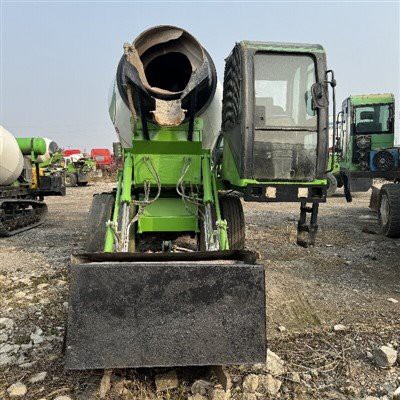
Understanding the Basics of Water Tankers
Water tankers are specialized vehicles designed to transport large volumes of water from one place to another. They come in different sizes and configurations, ranging from small trucks with a few hundred gallons of capacity to large trailers capable of carrying thousands of gallons. The construction of water tankers involves robust materials such as steel or fiberglass to ensure durability and prevent leakage. These tankers are equipped with pumps, hoses, and valves that allow for efficient loading and unloading of water.
Applications of Water Tankers in Water Transfer
One of the primary applications of water tankers is in providing water to areas that lack a reliable water supply. This includes remote rural communities, construction sites, and disaster – affected regions. In rural areas, where access to piped water may be limited or non – existent, water tankers can deliver clean drinking water on a regular basis. Construction sites often require large amounts of water for activities such as concrete mixing, dust suppression, and equipment cleaning. Water tankers can meet these demands by transporting water directly to the site.
In the event of natural disasters like floods, droughts, or earthquakes, water tankers play a crucial role in providing emergency water supplies. They can quickly deliver potable water to affected areas, helping to meet the basic needs of the population. Additionally, water tankers are used in industries such as agriculture, where they can be used to irrigate fields, especially in regions with water scarcity.
Advantages of Using Water Tankers for Water Transfer
There are several advantages to using water tankers for water transfer. Firstly, they offer flexibility. Water tankers can reach areas that are difficult to access by traditional water distribution systems. For example, in mountainous regions or areas with poor infrastructure, water tankers can navigate through rough terrain to deliver water.
Secondly, water tankers provide a quick solution. In emergency situations, time is of the essence, and water tankers can be deployed rapidly to deliver water to those in need. They can also be used on a temporary basis, such as during special events or short – term construction projects.
Another advantage is the ability to control the volume of water delivered. Water tanker operators can adjust the amount of water they transport based on the specific requirements of the destination. This is particularly useful in situations where water needs are variable, such as in different stages of a construction project.
Challenges and Considerations
While water tankers offer many benefits, there are also some challenges and considerations. One of the main challenges is the cost of operation. Water tankers require fuel, maintenance, and skilled drivers, which can add up to significant expenses. Additionally, there are environmental concerns related to the emissions of the vehicles.
Another consideration is the quality of the water being transported. It is essential to ensure that the water in the tanker is clean and safe for its intended use. This may require proper treatment and regular testing of the water.
The capacity of the water tanker also needs to be carefully considered. If the demand for water at a particular location is high, multiple trips may be required, which can be time – consuming and costly.
Technical Aspects of Water Transfer with Tankers
The process of water transfer using a tanker involves several technical steps. First, the tanker needs to be filled with water from a reliable source. This can be a water treatment plant, a well, or a reservoir. The filling process should be carefully monitored to ensure that the tanker is not overfilled and that the water is free from contaminants.
Once the tanker is filled, it is transported to the destination. During transportation, the tanker needs to be secured properly to prevent spills and ensure the safety of the driver and other road users. At the destination, the water is unloaded using the tanker’s pump and hoses. The unloading process should be carried out in a controlled manner to ensure that the water is distributed evenly.
Case Studies
Let’s look at some real – world examples of water tanker use for water transfer. In a small rural community in Africa, water tankers have been used to provide clean drinking water. The community had no access to a piped water system, and water had to be sourced from a distant well. Water tankers were used to transport the water from the well to the community on a weekly basis, improving the health and quality of life of the residents.
In a large construction project in a city, water tankers were used to supply water for dust suppression. The construction site was located in a densely populated area, and dust control was essential to minimize the impact on the surrounding environment. Water tankers were used to spray water on the construction site regularly, keeping the dust levels under control.
Future Trends in Water Transfer with Tankers
As technology advances, we can expect to see some improvements in water tanker design and operation. For example, there may be more efficient pumps and engines that reduce fuel consumption and emissions. Additionally, there could be the development of smart water tankers that can monitor water quality and quantity in real – time.
There is also a growing trend towards the use of alternative fuels in water tankers. This can help to reduce the environmental impact of water transfer operations. For example, some water tankers are now being designed to run on biodiesel or electric power.
Conclusion

In conclusion, a water tanker can indeed be used for water transfer between different locations. It offers a flexible, quick, and controllable solution for meeting water needs in various settings. While there are challenges and considerations, the benefits of using water tankers far outweigh the drawbacks.
Tow Truck If you are in need of a reliable water tanker for your water transfer requirements, whether it’s for a construction project, a rural community, or an emergency situation, I encourage you to reach out to us. We have a wide range of water tankers available, with different capacities and configurations to suit your specific needs. Contact us to start a discussion about your water transfer project and explore how our water tankers can help you achieve your goals.
References
- "Water Tanker Design and Operation Manual", published by the International Water Association.
- "Case Studies in Water Transfer using Tankers", a research report from a leading environmental research institute.
- "Advances in Water Tanker Technology", a technical journal article on the latest developments in water tanker design.
Liangshan Guanyue Auto Trading Co., Ltd.
As one of the leading water tanker manufacturers and suppliers in China, we warmly welcome you to buy bulk high quality water tanker at low price from our factory. If you have any enquiry about pricelist and quotation, please feel free to email us.
Address: Liangshan County, Jining City, Shandong Province
E-mail: guanyuetruck@gmail.com
WebSite: https://www.gytruck.com/
