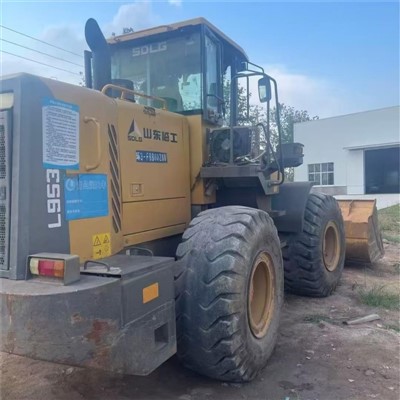
As an excavator supplier deeply entrenched in the industry, I’ve witnessed firsthand the pivotal role that the hydraulic system plays in the functionality and performance of an excavator. Over the years, I’ve dealt with a wide range of customers, from small – scale construction contractors to large – scale mining operations, and the question “What is the role of the hydraulic system in an excavator?” frequently comes up. In this blog, I aim to delve into this topic and shed light on the significance of the hydraulic system in these powerful machines. Excavator
The Basics of Hydraulic Systems
Before we explore the specific roles within an excavator, it’s essential to understand the fundamentals of hydraulic systems. A hydraulic system operates based on Pascal’s principle. Pascal’s principle states that a change in pressure applied to an enclosed fluid is transmitted undiminished to every portion of the fluid and to the walls of its containing vessel.
In practical terms, a hydraulic system in an excavator consists of a hydraulic pump, hydraulic fluid, control valves, and hydraulic cylinders or motors. The hydraulic pump is responsible for generating pressure by forcing the hydraulic fluid through the system. The control valves direct the flow of the fluid to different components, allowing for precise control of movement. Hydraulic cylinders and motors convert the hydraulic energy into mechanical energy, which is used to perform various tasks.
Power and Force Amplification
One of the most crucial roles of the hydraulic system in an excavator is power and force amplification. Excavators are required to perform heavy – duty tasks such as digging, lifting, and moving large amounts of earth, rocks, and other materials. The hydraulic system enables the excavator to generate an immense amount of force with relatively small input from the engine.
The hydraulic pump takes in power from the engine and converts it into hydraulic energy. When the operator activates a control valve, the pressurized hydraulic fluid is directed to a hydraulic cylinder. The hydraulic cylinder then uses this pressure to extend or retract a piston, creating a linear motion. This linear motion can be used to power the boom, arm, and bucket of the excavator, allowing them to exert tremendous force. For example, a small – to – medium – sized excavator can use its hydraulic system to lift several tons of material, which would be impossible to achieve with a purely mechanical system of the same size.
Precision and Control
In addition to power, the hydraulic system provides the excavator with unparalleled precision and control. Construction and excavation work often require delicate and accurate movements. Whether it’s precisely positioning a large pipe in a trench or gently removing debris from a sensitive area, the operator needs to have fine – tuned control over the excavator’s movements.
The control valves in the hydraulic system are designed to allow the operator to control the flow and direction of the hydraulic fluid with great accuracy. By using joysticks or other control devices, the operator can adjust the speed and force exerted by each hydraulic cylinder or motor. For instance, when digging a ditch, the operator can control the depth and width of the cut by precisely controlling the movement of the boom and bucket. This level of control also enhances safety on the job site, as it reduces the risk of accidental damage to surrounding structures or equipment.
Multifunctional Operations
An excavator is a versatile piece of equipment that can perform a wide range of tasks with the help of its hydraulic system. In addition to the standard digging and lifting operations, the hydraulic system enables the use of various attachments. These attachments can transform the excavator into a specialized tool for different applications.
For example, a breaker attachment can be used to break up concrete, rocks, or other hard materials. The hydraulic system provides the necessary power and force to operate the breaker at high frequencies. A grapple attachment can be used for handling and sorting materials, and the hydraulic system allows for precise opening and closing of the grapple. Other common attachments include augers for drilling holes, rippers for breaking up compacted soil, and shears for cutting through metal. The ability to quickly and easily switch between different attachments makes the excavator a highly adaptable machine for different construction and excavation projects.
Maintenance of the Hydraulic System
Proper maintenance of the hydraulic system is essential to ensure the efficient and reliable operation of the excavator. As an excavator supplier, I always emphasize the importance of regular maintenance to my customers.
One of the key aspects of hydraulic system maintenance is the proper level and quality of the hydraulic fluid. The hydraulic fluid serves as both a lubricant and a medium for transmitting power. Over time, the fluid can become contaminated with dirt, debris, and moisture, which can cause damage to the hydraulic components. Regular fluid changes, along with the use of high – quality filters, can help prevent contamination.
Another important maintenance task is inspecting the hydraulic hoses and seals. These components are prone to wear and tear, and a leaking hose or a damaged seal can lead to a loss of hydraulic pressure and reduced performance. Regular visual inspections and timely replacement of worn – out hoses and seals are crucial for maintaining the integrity of the hydraulic system.
Advantages Over Other Systems
When compared to other methods of power transmission, such as mechanical or electrical systems, the hydraulic system in an excavator offers several distinct advantages.
First, hydraulic systems are more compact and lightweight. For a given amount of power output, a hydraulic system can be designed to take up less space and weigh less than a mechanical or electrical system. This is particularly important in an excavator, where space is limited, and weight affects maneuverability and fuel efficiency.
Second, hydraulic systems are better suited for heavy – load applications. They can handle high forces and torques without the need for complex gearing or large electrical motors. This makes them ideal for the demanding tasks that excavators are required to perform.
Finally, hydraulic systems provide a smooth and continuous power delivery. Unlike some mechanical systems that may experience jerky movements or electrical systems that may have power surges, hydraulic systems offer a consistent and reliable source of power, which is essential for precise and efficient operation.
Conclusion
In conclusion, the hydraulic system is the heart and soul of an excavator. It provides the power, precision, and versatility that make these machines indispensable in the construction and excavation industries. From powering the boom and bucket for heavy – duty digging to enabling the use of various attachments for specialized tasks, the hydraulic system plays a central role in the performance of an excavator.
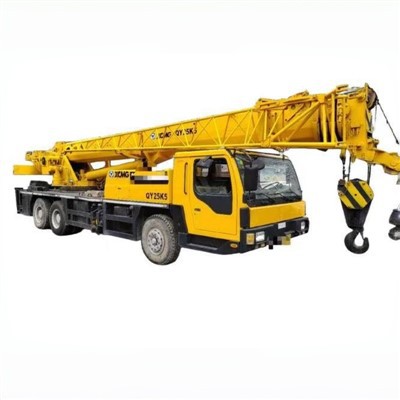
Crane As an excavator supplier, I understand that choosing the right excavator with a reliable hydraulic system is crucial for the success of your projects. If you’re in the market for an excavator or need more information about the hydraulic systems in our machines, I encourage you to reach out. Our team of experts is ready to assist you in finding the perfect excavator to meet your specific needs and requirements. Whether you’re a seasoned contractor or just starting in the industry, we’re here to help you make an informed decision.
References
- Fluid Power Handbook, published by the International Fluid Power Society
- Excavator Design and Operation Manuals, various manufacturers
- Research papers on hydraulic systems in heavy machinery from academic journals in the field of mechanical engineering
Shandong Xinyang Special Purpose Vehicle Manufacturing Co., Ltd.
As one of the most professional excavator manufacturers and suppliers in China, we’re featured by quality products and good price. Please rest assured to buy cheap excavator made in China here from our factory. Contact us for more details.
Address: Quanpu Industrial Park, Liangshan County, Jining City, Shandong Province.
E-mail: ensonzhouau@gmail.com
WebSite: https://www.trustmytruck.com/
