Hey there! I’m a supplier of thermal laminating film, and I often get asked, "Can thermal laminating film be used for laminating photo frames?" Well, let’s dive right into this topic and find out. Thermal Laminating Film
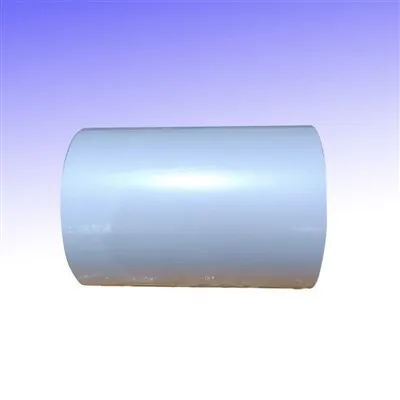
First off, let me give you a bit of background on thermal laminating film. It’s basically a plastic film that’s designed to bond with other materials when heat is applied. We use it widely in various industries, like printing shops for protecting important documents, schools for laminating educational materials, and offices for preserving business papers. The film comes in different thicknesses and finishes, such as glossy and matte, to suit different needs.
Now, let’s talk about using it for photo frames. The short answer is yes, thermal laminating film can be used for laminating photo frames. There are actually quite a few good reasons for doing this.
One of the main advantages is protection. Photos are precious, right? They capture memories that we want to keep safe for a long time. When you use thermal laminating film on a photo in a frame, it acts as a shield. It protects the photo from dust, moisture, and fingerprints. You know how annoying it is when you see a smudge on a beautiful photo? With the laminating film, that’s not going to be a problem.
Another benefit is durability. Over time, photos can fade, especially if they’re exposed to sunlight. The thermal laminating film can help reduce the effects of UV rays, which are the main culprit behind photo fading. So, your favorite family photos or that amazing landscape shot you took on vacation will stay vibrant and clear for much longer.
In terms of appearance, thermal laminating film can also enhance the look of the photo in the frame. If you choose a glossy finish, it can make the colors in the photo pop, giving it a more professional and high – quality look. On the other hand, a matte finish can give a more subdued and elegant appearance, which is great for art prints or black – and – white photos.
But, of course, there are also some things to keep in mind when using thermal laminating film for photo frames.
The first thing is the type of photo. Some photos are printed on materials that might not work well with thermal laminating. For example, if a photo has a high – gloss or coated finish already, the heat from the laminating process could cause the photo to warp or bubble. It’s important to test a small corner of the photo before laminating the whole thing. You don’t want to ruin your precious memory if it’s not going to work out.
Another consideration is the laminating equipment. You need to have the right thermal laminator for the job. The laminator should be able to heat the film evenly and at the right temperature. If the temperature is too high, it can damage the photo. If it’s too low, the film won’t bond properly. You also need to make sure the laminator is the right size for the photo and frame you’re working with.
The thickness of the film is also crucial. If you use a film that’s too thick, it might make the photo look bulky and could affect how it fits in the frame. If it’s too thin, it might not provide enough protection. You’ll need to choose a thickness that’s appropriate for your specific photo and the level of protection you need.
Now, let me share some tips on how to laminate a photo for a frame using thermal laminating film.
First, clean the photo. Use a soft, dry cloth to gently wipe away any dust or debris. This will ensure a smooth and clean surface for the film to bond to.
Next, cut the laminating film to the right size. Make sure it’s a bit larger than the photo so that it can fully cover it. You don’t want any edges of the photo to be left exposed.
Then, place the photo between the two layers of the laminating film. Align it carefully to avoid any wrinkles or bubbles. Smooth out the film with your fingers to get rid of any air pockets as much as possible.
Now, it’s time to use the thermal laminator. Follow the manufacturer’s instructions for loading the laminated photo into the machine. Usually, you just need to feed it in slowly and let the machine do its job. Wait for the laminating process to finish, and then carefully remove the laminated photo from the machine.
After that, you can trim the excess film around the photo using a sharp pair of scissors or a paper cutter. Make sure the edges are clean and straight.
Finally, place the laminated photo into the frame. You might need to adjust it a bit to make sure it fits perfectly.
So, as you can see, using thermal laminating film for photo frames is definitely doable, but it does require a bit of care and attention.
If you’re interested in using thermal laminating film for your photo frames or any other projects, I’d be more than happy to help. We have a wide range of thermal laminating films in different thicknesses and finishes to meet your needs. Whether you’re a professional photographer looking to protect your prints or a DIY enthusiast wanting to preserve your personal photos, we’ve got you covered.
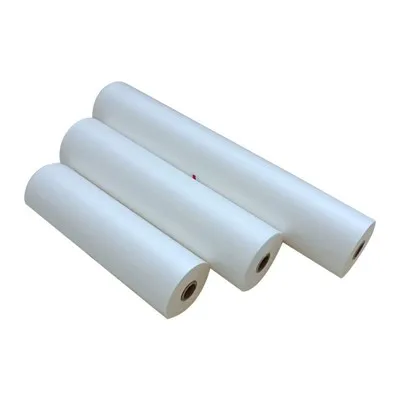
Contact me if you’d like to discuss your requirements and start a purchase negotiation. I’ll be here to answer all your questions and make sure you get the right product for your needs.
Embossing Thermal Laminating Film References
- "Laminating Techniques and Best Practices" by a well – known printing industry magazine
- "Guide to Photo Preservation" published by a national heritage organization
Yantai Hongqing Packing Material Co., Ltd.
Yantai Hongqing Packing Material Co., Ltd. is one of the most professional thermal laminating film manufacturers and suppliers in China, also supports customized service. Welcome to wholesale advanced thermal laminating film made in China here and get quotation from our factory. Quality products and reasonable price are available.
Address: Eastern Industrial Park, Taocun, Yantai, Shandong Province, China
E-mail: cindy@ythongguang.cn
WebSite: https://www.hqingnewmat.com/
