Hey there! I’m a supplier of soil mechanics equipment, and today I wanna chat about the differences between manual and automated soil mechanics equipment. It’s a topic that comes up a lot when folks are looking to buy gear for soil testing, so let’s dive right in. Soil Mechanics Equipment

How They Look and Work
First off, let’s talk about how these two types of equipment look and operate. Manual soil mechanics equipment is pretty straightforward. It’s the kind of stuff you can hold in your hands and use with a bit of elbow grease. For example, a manual penetrometer is a simple tool. You just push it into the soil, and based on the resistance you feel, you can get an idea of the soil’s consistency. It’s like using a big pencil to poke at the ground, but with a scientific purpose.
On the other hand, automated equipment is a bit more high – tech. It’s got all sorts of sensors and electronics. Take an automated triaxial testing machine. It can apply loads to a soil sample in a very precise way, and it records all the data automatically. It’s like having a little robot doing the testing for you. You don’t have to keep an eye on the dials and write down numbers constantly. The machine does it all for you.
Accuracy and Precision
When it comes to accuracy and precision, there’s a clear difference between the two. Manual equipment is great, but it’s only as good as the person using it. If you’re not pushing the penetrometer straight or if you misread the scale, you’re gonna get inaccurate results. And when you’re doing multiple tests, it can be hard to apply the same amount of force every time. That means there can be a bit of variation in the results.
Automated equipment, though, is super precise. The sensors can measure things down to very small increments. For example, in a consolidation test, an automated machine can control the pressure applied to the soil sample with a high degree of accuracy. It also records the data in real – time, so there’s no chance of human error when it comes to writing down the numbers. This makes the results much more reliable, especially when you’re working on a big project where small differences in soil properties can have a big impact.
Speed of Testing
Speed is another important factor. Manual testing can be pretty slow. Let’s say you’re doing a direct shear test with a manual device. You have to adjust the loads by hand, wait for the soil to reach equilibrium after each adjustment, and then record the data. It can take hours to complete a single test.
Automated equipment, however, can speed things up significantly. The same direct shear test can be done in a fraction of the time with an automated machine. The machine can adjust the loads automatically and at a much faster rate. It also records the data continuously, so you don’t have to waste time writing down numbers between each step. This means you can get more tests done in a day, which is great if you’re on a tight schedule.
Cost
Cost is always a big consideration when buying soil mechanics equipment. Manual equipment is generally cheaper. It doesn’t have all those fancy electronics and sensors, so the manufacturing costs are lower. This makes it a good option for small businesses or research projects with a tight budget. You can get a basic set of manual soil testing tools for a few hundred dollars.
Automated equipment, on the other hand, is more expensive. The high – tech components and the software that runs the machines add to the cost. But you have to think about the long – term benefits. If you’re doing a lot of testing, the time saved with automated equipment can actually make it more cost – effective in the long run. You’ll be able to get more work done in less time, which can lead to more business and more revenue.
Ease of Use
Manual equipment is usually easier to use. There’s not a lot of training required. You just need to understand the basic principles of how the tool works, and you’re good to go. For example, a manual sieve shaker is pretty simple. You put the soil sample in the sieves, turn the crank, and after a while, you can analyze the results.
Automated equipment, while it can do a lot more, can be a bit more complicated. You need to have some technical knowledge to operate it properly. You have to set up the software, calibrate the sensors, and make sure everything is working correctly. But most manufacturers provide training and support, so it’s not impossible to learn.
Maintenance
Maintenance is also different for these two types of equipment. Manual equipment is relatively easy to maintain. There are usually fewer parts, and they’re easier to clean and repair. If a handle breaks on a manual compaction hammer, you can usually replace it with a new one pretty easily.
Automated equipment, on the other hand, requires more maintenance. The sensors need to be calibrated regularly to ensure accurate results. The software may need to be updated, and if there’s a problem with the electronics, it can be more difficult and expensive to fix. But again, if you take good care of it, an automated machine can last a long time and provide reliable service.
When to Choose Manual or Automated
So, when should you choose manual or automated soil mechanics equipment? If you’re just starting out or if you’re doing some basic testing on a small scale, manual equipment is a great option. It’s affordable, easy to use, and it can give you a good idea of the soil properties.
But if you’re working on a large – scale project, like building a skyscraper or a highway, automated equipment is the way to go. The accuracy, precision, and speed of automated machines are essential for making sure the project is safe and successful. You need to have reliable data to make informed decisions about the soil conditions and how to design the foundations.
Conclusion
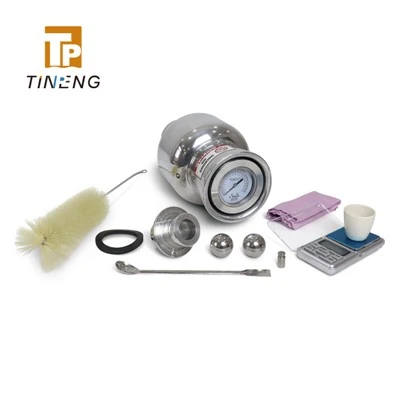
In conclusion, both manual and automated soil mechanics equipment have their pros and cons. Manual equipment is simple, affordable, and easy to use, but it may not be as accurate or fast as automated equipment. Automated equipment, on the other hand, is more expensive and complicated to operate, but it offers higher precision, speed, and reliability.
Building Lime and Mud Testing Apparatus If you’re in the market for soil mechanics equipment and you’re not sure which type is right for you, don’t hesitate to reach out. We’re here to help you make the best decision based on your specific needs. Whether it’s a small – scale project or a large – scale infrastructure development, we’ve got the equipment to get the job done. So, let’s have a chat and see how we can work together to meet your soil testing requirements.
References
- ASTM International Standards for soil testing equipment.
- Geotechnical Engineering textbooks covering soil testing methods and equipment.
- Manufacturer’s brochures and technical specifications for manual and automated soil mechanics equipment.
Zhuozhou Tianpeng Imp. and Exp. Trade Co., Ltd.
Zhuozhou Tianpeng Imp. and Exp. Trade Co., Ltd. is one of the most professional soil mechanics equipment manufacturers and suppliers in China, featured by quality products and good price. Please rest assured to buy advanced soil mechanics equipment made in China here from our factory. Customized orders are welcome.
Address: Building C28, Hegu Technology Industrial Park, Development Zone, Zhuozhou, Hebei, China
E-mail: zhangdajing@testmould.com
WebSite: https://www.testmould.net/
