As a long – standing supplier of packaging equipment, I’ve witnessed firsthand the challenges that excessive noise poses in industrial settings. High noise levels from packaging machinery not only cause discomfort and potential health risks to workers but may also lead to non – compliance with environmental and workplace safety regulations. In this article, I’ll share some effective strategies to reduce the noise level of packaging equipment. Packaging Equipment
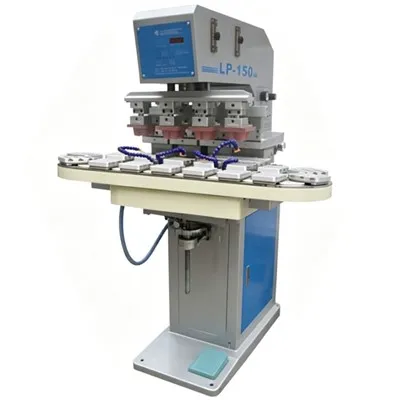
Understanding the Noise Sources in Packaging Equipment
Before we can tackle the noise problem, it’s essential to understand where the noise is coming from. In packaging equipment, noise can stem from several key areas.
One primary source is the mechanical components. Motors, gears, belts, and bearings generate noise as they operate. For example, a misaligned belt can cause vibrations and squealing sounds, while worn – out gears may produce a loud grinding noise.
Pneumatic systems also contribute significantly to noise. Compressors, valves, and cylinders can create high – pitched hissing and popping sounds. When air is rapidly released or compressed, it generates shockwaves that result in noise.
Another source is the collision and impact during the packaging process itself. Product handling, such as the dropping of packages onto conveyor belts or the slamming of packaging materials into molds, can create a substantial amount of noise.
Design – Level Noise Reduction
1. Opt for Low – Noise Components
When engineering packaging equipment, we, as suppliers, can make a significant difference by selecting low – noise components. For motors, look for models with advanced insulation and precision – engineered rotors. These motors are designed to run more smoothly, reducing both mechanical vibrations and electromagnetic noise.
When it comes to gears, helical gears are often a better choice than straight – cut gears. Helical gears have a more gradual tooth contact, which results in a smoother and quieter operation. Additionally, using high – quality bearings with proper lubrication can minimize friction and the associated noise.
2. Acoustic Design
Incorporating acoustic design principles into the equipment layout is crucial. We can enclose noisy components within acoustic enclosures. These enclosures are made of materials with high sound – absorption properties, such as fiberglass or acoustic foam. By containing the noise at its source, we can prevent it from spreading throughout the workplace.
It’s also important to design the equipment in a way that minimizes the reflection of sound waves. For example, using non – parallel surfaces inside the equipment can help scatter sound waves, reducing the overall noise level.
Maintenance – Related Strategies
1. Regular Lubrication
Proper lubrication is essential for reducing noise in mechanical components. Lubricants help to reduce friction between moving parts, which in turn reduces wear and tear and the noise generated by these parts. For example, in a chain – driven packaging machine, applying the right type of lubricant at regular intervals can prevent the chain from squeaking and reduce the overall noise of the system.
However, it’s important to use the correct lubricant for each component. Using the wrong lubricant can cause excessive heat buildup, which may lead to premature failure of the parts and increased noise.
2. Alignment and Balancing
Misaligned or unbalanced components are a major cause of noise in packaging equipment. For instance, if a conveyor belt is not properly aligned, it can cause uneven stress on the belt and the rollers, resulting in vibrations and noise. Regularly checking and adjusting the alignment of belts, pulleys, and shafts can significantly reduce noise.
Similarly, balancing rotating parts such as fans and motors is crucial. Unbalanced parts can cause excessive vibrations, which are transmitted through the equipment and result in noise. By using balancing equipment, we can ensure that rotating parts operate smoothly and quietly.
Operational Adjustments
1. Speed Optimization
The operating speed of packaging equipment can have a significant impact on noise levels. In many cases, running the equipment at a lower speed can reduce noise without sacrificing too much productivity. For example, if a filling machine is running at a very high speed, it may cause splashing and impact noise. By slightly reducing the filling speed, we can minimize these noises while still maintaining an acceptable production rate.
2. Process Sequencing
Optimizing the process sequencing can also help reduce noise. For example, if multiple machines are operating simultaneously in a packaging line, coordinating their operations can prevent peak noise levels. By staggering the start – up and shut – down times of different machines, we can ensure a more even distribution of noise over time.
Employee Training
Employees play a crucial role in noise reduction. By providing comprehensive training, we can ensure that they operate the equipment correctly and are aware of the importance of noise reduction.
Training should cover proper equipment operation procedures, such as how to start and stop the machines smoothly to avoid sudden noise spikes. Employees should also be taught how to perform basic maintenance tasks, such as checking lubrication levels and reporting any unusual noises promptly.
Monitoring and Evaluation
To ensure the effectiveness of our noise – reduction measures, it’s essential to monitor the noise levels regularly. We can use sound level meters to measure the noise at different points in the packaging facility. By comparing the noise levels before and after implementing noise – reduction strategies, we can determine the effectiveness of these measures.
Based on the monitoring results, we can make further adjustments to our noise – reduction strategies. If the noise levels are still too high in certain areas, we may need to re – evaluate our component selection, maintenance procedures, or operational adjustments.
Conclusion
Reducing the noise level of packaging equipment is a multi – faceted challenge that requires a combination of design improvements, maintenance efforts, operational adjustments, employee training, and continuous monitoring. As a packaging equipment supplier, we are committed to providing solutions that not only meet our customers’ production needs but also ensure a safe and quiet working environment.
If you’re in the market for packaging equipment or are looking to upgrade your existing equipment to reduce noise levels, we’re here to help. Our team of experts can work with you to understand your specific requirements and provide customized solutions. Contact us today to start a conversation about how we can optimize your packaging operations.
Packaging Equipment References:
- Smith, J. (2018). Industrial Noise Control: Principles and Practices. Wiley.
- Brown, A. (2019). Mechanical Design for Noise Reduction. CRC Press.
- Green, M. (2020). Pneumatic System Noise and Its Mitigation. Elsevier.
Henan Seveneh Trading Co., Ltd.
As one of the most professional packaging equipment manufacturers and suppliers in China, we’re featured by quality products and good price. Please rest assured to buy advanced packaging equipment made in China here from our factory. We also accept customized orders.
Address: No.102 Wenhui Road, Economic Development Zone, Zhumadian City, Henan Province, China
E-mail: hnseveneh@gmail.com
WebSite: https://www.seveneh.com/
