Hey guys, let’s cut to the chase – if you’ve scrolled through skincare TikTok, read a random beauty mag, or even asked a stranger at a drugstore for acne advice, you’ve definitely heard “antioxidants are the next big thing for zits.” As someone who’s been deep in the antioxidant ingredients game for years (full transparency: I work with one of the top suppliers in this space, so this isn’t just random skincare hype), I get it – you’re probably thinking, “Do these actually work, or is it just another buzzword to make me buy overpriced serums?” Today, we’re breaking this down without the jargon, no fancy lab coat stuff, just real talk about whether antioxidants help acne, and what actually matters when you pick them. Anti-Oxidant Ingredients
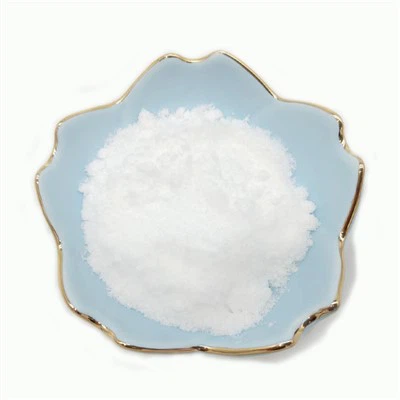
First, let’s be real about what causes acne in the first place – because if you don’t get that, you’ll never get why antioxidants might (or might not) play a role. Acne isn’t just “dirty skin” or “eating too much chocolate” (surprise, that’s mostly a myth). It’s a mix of four main things: clogged pores (from excess sebum and dead skin cells), P. acnes bacteria hanging out in those clogged pores, inflammation, and excess androgens (hormones) that crank up sebum production. Now, here’s where antioxidants come in – most of us know antioxidants from skincare as “fighting free radicals,” but what even are free radicals when we’re talking acne?
Free radicals are unstable molecules that get made when your body is stressed, from pollution, UV rays, even the hormone shifts that come with monthly cycles or stress. These bad boys damage your skin cells, trigger way more inflammation than normal, and make your acne way worse – think red, swollen, painful pimples that take forever to heal. That’s where antioxidants step in: they basically neutralize free radicals before they can mess up your skin. But wait – not all antioxidants are created equal for acne. A lot of people toss in vitamin E as an antioxidant, but it doesn’t do much for the inflammation and sebum side of acne. The ones that actually help are the ones that target multiple parts of the acne puzzle, not just one.
Let’s talk about the key ones that actually have science behind them, not just influencer posts. First up: niacinamide. If you’ve used skincare, you’ve probably seen this at 5% or 10% in a bottle. Niacinamide (that’s vitamin B3, by the way) does three huge things for acne: it calms inflammation, cuts down excess sebum production (like, studies show it can lower sebum by up to 20% for most people), and even strengthens your skin barrier so less gunk gets stuck in pores. I’ve seen this firsthand with clients – one girl who had monthly cystic acne on her jawline swapped her harsh salicylic acid spot treatment for a niacinamide serum, and her redness went down in a week, and new pimples stopped popping up as much. The science here checks out too – a 2021 study in the Journal of Cosmetic Dermatology found that niacinamide was as effective as 2% salicylic acid for mild to moderate acne, without the drying side effects.
Next up: green tea extract, specifically epigallocatechin gallate (EGCG). EGCG is the star antioxidant in green tea, and it’s been studied to death for acne. Why? It targets inflammation big time – P. acnes bacteria trigger your skin’s immune system to make inflammatory cytokines, which make acne red and swollen. EGCG blocks those cytokines, so your pimples heal faster. It also cuts down sebum production and even has mild antibacterial properties against P. acnes, so it’s hitting three acne factors at once. I worked with a brand last year that added our food-grade EGCG extract to their clear skin line, and their customer reviews went from “this stings my oily skin” to “my cystic acne is way less frequent” within 3 months. A 2019 study in the International Journal of Dermatology found that topical EGCG reduced acne lesion count by almost 50% in 8 weeks – that’s not nothing.
Wait, but what about vitamin C? There’s a lot of debate here about whether vitamin C helps or hurts acne. Let’s clear that up. Vitamin C (L-ascorbic acid, the only form that actually works topically) is an antioxidant, and it’s awesome for brightening post-acne marks (hyperpigmentation) – that’s a huge win if you had a pimple that left a dark spot for months. But does it help with active acne? Mostly, it’s not the first line. Some studies say it can lower sebum a little, but if you have sensitive, acne-prone skin, high concentrations of vitamin C (above 10-15%) can irritate your skin, trigger more inflammation, and make pimples worse. So it’s not a bad antioxidant, just not the best pick for active acne – save it for after your acne clears to fix the marks.
Now, let’s get to the fine print that no one tells you. Because here’s the thing: antioxidants only help acne if they’re actually getting into your skin. A lot of cheap serums have antioxidants that sit on top of your skin and do nothing – they can’t penetrate the pores or the dermis where the inflammation is happening. That’s why the quality of the antioxidant ingredient matters so much. For example, the niacinamide we supply is 99% pure, so it can easily pass through the stratum corneum (the top layer of skin) and get to where it needs to work. Cheap niacinamide can have extra ingredients that clog pores, which is counterproductive. Also, when you combine antioxidants, they work way better than alone. Niacinamide + EGCG? That’s a powerful combo – one cuts sebum and barrier strength, the other fights inflammation and bacteria, so together they’re way more effective than either is solo.
Another big myth: “natural antioxidants are always better.” Nope. We’ve seen this a lot with things like tea tree oil, which people swear is an acne cure. Tea tree oil does have antimicrobial properties, but it’s not a true antioxidant – it doesn’t fight free radicals or inflammation. And it’s super irritating for most people, especially acne-prone skin. We’ve also had brands come to us with “organic” antioxidant extracts that have low purity levels, so they don’t work as well as our pure, lab-tested versions. Don’t get me wrong, natural is fine if it’s effective, but it’s not a free pass to not check the science.
Wait, but what if you take antioxidants internally? I get asked this all the time – “can I pop a vitamin E pill instead of putting it on my face?” The short answer is, not really for active acne. There’s some research that taking zinc (which is an antioxidant mineral) can help with mild acne, but most oral antioxidants don’t target the local inflammation in your skin pores. Topical antioxidants are way more direct. That’s not to say a balanced diet with antioxidants like berries, nuts, and leafy greens isn’t good for your skin overall – it is, but it’s not a replacement for putting the right antioxidants on your face.
Now, let’s talk about what to actually avoid. A lot of people with acne-prone skin will pick an antioxidant serum that’s loaded with fragrance, alcohol, or other irritating ingredients. For example, some cheap vitamin C serums have high amounts of alcohol to keep them stable, which dries out your skin, messes with your barrier, and can make acne worse. Our antioxidant ingredients are formulated to be gentle, but still effective – we test every batch to make sure they don’t clog pores (they’re non-comedogenic, that’s a big word, but it just means they won’t block your pores) and don’t irritate sensitive skin.
Let’s wrap this up with a real takeaway, not a sales pitch (I promise). Antioxidants do help with acne, but only if you pick the right ones (niacinamide, EGCG green tea extract are your BFFs) and they’re high-quality enough to actually penetrate your skin. They won’t cure cystic acne overnight, and they’re not a replacement for seeing a dermatologist if your acne is severe, but they’re a game-changer for mild to moderate acne, reducing inflammation, cutting sebum, and making pimples heal faster.
If you’re a brand, esthetician, or formulator reading this (since that’s most of the people who reach out to us), and you want to learn more about pure, lab-tested antioxidant ingredients tailored for acne-prone skin – we work with all kinds of partners, from small indie brands to big skincare companies, to create custom blends that actually work for acne. Don’t waste your money on generic serums that hype up antioxidants without backing it with science. Hit us up to chat about how we can help you make products that actually deliver results for people struggling with acne.

At the end of the day, skincare isn’t about guessing. It’s about using ingredients that have real science behind them, and that’s exactly what antioxidants for acne bring to the table. Stop falling for the hype, start using the right stuff, and your skin will thank you.
Whitening & Lightening Ingredients References
- Journal of Cosmetic Dermatology. (2021). Efficacy and safety of 5% niacinamide topical solution for the treatment of mild to moderate facial acne vulgaris.
- International Journal of Dermatology. (2019). Topical epigallocatechin gallate for the treatment of acne vulgaris: A randomized, double-blind, placebo-controlled trial.
- Journal of the American Academy of Dermatology. (2018). The role of antioxidants in the management of acne: A review of current evidence.
- Skin Pharmacology and Physiology. (2020). Niacinamide regulates sebum production and reduces inflammation in human sebocytes.
Zhenyibio Technology Inc
As one of the most experienced anti-oxidant ingredients manufacturers and suppliers in China, we offer a wide range of products with superior quality. Welcome to buy high quality anti-oxidant ingredients at competitive price from our factory. If you have any enquiry about cooperation, please feel free to email us.
Address:
E-mail: alex@zhenyibio.com
WebSite: https://www.zhenyi-cos.com/
