If you’ve ever grabbed a pre-packaged sandwich, a bag of dried fruit, or a carton of shelf-stable soup from a grocery store shelf, you’ve almost certainly encountered rollstock films without even realizing it. For nearly 20 years, I’ve supplied these flexible packaging materials to small craft food brands and large multinational manufacturers alike, and one question I get asked at least once a week is: “Are rollstock films actually safe and effective for food packaging?” It’s a fair question—too many food businesses jump into packaging decisions without digging into the science, not to mention the regulatory and practical benefits that make rollstock one of the most versatile options on the market. Today, I want to break this down honestly, from a supplier who’s seen what works (and what doesn’t) for actual food products. Rollstock Films
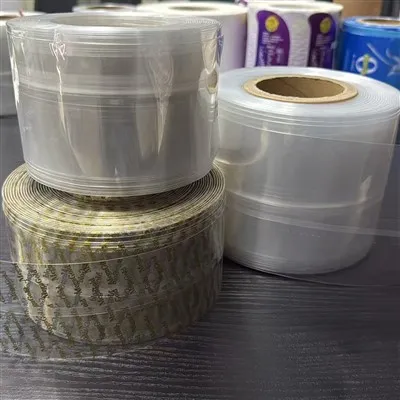
First, let’s get clear on what rollstock films are, because there’s a lot of misinformation out there. Unlike pre-made pouches or rigid containers, rollstock is a continuous, flexible film material (usually a multi-layer plastic, paper, or laminate structure) that’s fed into packaging machines, which shape, fill, and seal it on-site at a food production facility. That might sound straightforward, but the layers matter—a lot. A typical food-grade rollstock film isn’t just a single sheet of plastic. It’s built with specific layers tailored to the product inside: a food-contact inner layer that prevents contamination, a structural middle layer that adds strength and barrier protection, and an outer layer that resists moisture, scratches, and graphics for branding.
For food packaging, the core question always boils down to two things: safety (will the packaging leach harmful chemicals into the food?) and performance (will it keep the food fresh, safe, and appealing until it reaches the consumer?). Let’s start with safety, because that’s non-negotiable. I’ve worked with food brands that were shocked to learn not all flexible packaging materials meet global food safety standards. Rollstock films, when manufactured to regulatory specifications, are one of the most rigorously tested packaging options available. The inner food-contact layer is almost always made from materials like low-density polyethylene (LDPE), polyethylene terephthalate (PET), or polypropylene (PP)—all of which are approved by the U.S. Food and Drug Administration (FDA), the European Food Safety Authority (EFSA), and other global regulatory bodies for direct food contact.
A common myth I hear from new customers is that multi-layer films are more likely to leach chemicals than single-layer options. That’s not true. In fact, regulatory bodies require extensive testing for every component of a food-contact rollstock film—including additives like plasticizers, slip agents, and colorants—to ensure they don’t migrate into food at levels that pose a health risk. For example, if we’re making rollstock for a brand of acidic salad dressing, the inner layer is formulated to resist acid degradation, so it won’t break down and leach into the dressing over time. If we’re making it for dry pet food, we adjust the layers to block moisture and grease, with additives that are specially formulated to be safe for long-term contact with dry, high-fat products. The key here is that reputable rollstock suppliers test every batch for migration, and food brands should always ask for those test certificates before placing an order.
Now, the performance side—this is where rollstock really shines, and where it’s tailored to specific food products, so there’s no one-size-fits-all answer. Let’s go through common food categories to illustrate.
Take perishable foods, like sliced deli meats or fresh produce. For these, the right rollstock film needs a high oxygen barrier to slow spoilage, plus a modified atmosphere packaging (MAP) compatibility layer. When a deli brand uses rollstock with a nylon/EVOH (ethylene vinyl alcohol) middle layer, it can seal out oxygen, which prevents the growth of harmful bacteria like Listeria and extends the shelf life of the meat by 2-3 weeks compared to traditional plastic wrap. I had a craft deli client in Ohio last year who switched from pre-made pouches to our MAP-compatible rollstock, and they cut their product waste by 22% in six months—because less meat was spoiling before it reached store shelves. That’s a big win, but it only worked because we tailored the film’s barrier properties to their specific product.
For dry foods, like cereal, granola bars, or dried coffee, moisture barrier is the name of the game. Rollstock films can be lined with aluminum foil or a metallized layer that blocks 99% of moisture and light, which prevents staleness and preserves the flavor of sensitive products. A specialty coffee brand I supply in Portland, Oregon, switched to our metallized rollstock for their whole-bean packaging, and they reported that customer complaints about “stale-tasting coffee” dropped by 80%. The same applies to baked goods: rollstock can be heat-sealed to create airtight packs that keep cookies or bread soft and fresh for weeks, even without preservatives. I’ve even worked with a gluten-free bakery that uses compostable rollstock films for their packaged loaves—they wanted to avoid plastic waste, and we formulated a film that meets home composting standards while still providing the moisture barrier their product needs.
Then there are high-fat or acidic foods, like potato chips, salsa, or nut butters. These products can break down low-quality packaging, leading to leaks, grease stains, or spoiled food. Rollstock films are durable enough to handle these products because of their multi-layer structure. For a chip brand, the outer layer is designed to resist punctures from broken chips, and the inner layer is grease-resistant, so oil doesn’t seep through the packaging onto store shelves. Last year, a snack brand in Texas came to us after their pre-made pouches were tearing too easily during shipping. We worked with them to adjust the rollstock’s thickness and add a linear low-density polyethylene (LLDPE) layer for extra impact resistance, and since then, their packaging damage rate has dropped from 11% to less than 2%. That’s the kind of performance you can’t get with flimsy, single-layer packaging.
But here’s the thing: rollstock films aren’t right for every food product, and that’s important to be honest about. For example, very small-batch or artisanal foods that only need to be packaged for local farmers’ markets, not large-scale distribution, might find pre-made pouches more cost-effective, since rollstock requires specialized packaging machinery that can cost tens of thousands of dollars to install. I always make sure to ask potential customers about their production volume, distribution timeline, and product requirements before recommending rollstock—if a brand is only making 500 units a week, we’d probably steer them toward a more affordable option, because the upfront cost of machinery might not be worth it for them.
Another concern I hear a lot is sustainability. Consumers are more aware than ever of plastic packaging waste, and that’s a valid point. I won’t pretend that all rollstock films are eco-friendly—traditional multi-layer plastic films can be hard to recycle, because the different layers can’t be easily separated. But the good news is that the rollstock industry has been moving fast on sustainable alternatives over the past 5 years. We now supply options like mono-material rollstock films, which are made from a single type of plastic (like all PP or all PE) so they can be recycled in standard plastic recycling streams. There’s also compostable rollstock made from plant-based materials like cornstarch or sugarcane, which break down in industrial compost facilities. I recently worked with a frozen vegetable brand that switched to our mono-material recyclable rollstock, and they were able to display a “curbside recyclable” label on their packaging, which increased sales by 18% because of consumer demand. That’s a huge shift, and it’s something I’ve prioritized as a supplier—sustainability isn’t an afterthought, it’s part of every film we design.
I also want to address a common misconception from new customers: that rollstock is only for large brands. That’s not true. A lot of small craft food brands—from jam makers to jerky producers—are using rollstock now, thanks to smaller, more affordable packaging machines that are accessible to even small production runs. We have a customer in Vermont who makes artisanal maple syrup packs, with a production volume of 1,000 units a month, and they’ve been using our rollstock for two years. They saved 30% on packaging costs compared to pre-made pouches, because rollstock is produced in bulk, so the per-unit cost is lower. The key is finding a supplier who can work with your volume, not just the big players.
Now, let’s talk about what to look for if you’re considering rollstock for your food products. First, work with a supplier who provides transparent test data. Ask for migration tests, barrier performance data, and regulatory compliance certificates—any reputable rollstock supplier should be able to provide these without hesitation. Second, make sure the film is tailored to your specific product. A rollstock for fresh produce won’t work for jam, because their barrier and food-contact requirements are totally different. Third, if sustainability is a priority, don’t settle for vague “green” claims. Ask for details: is the film mono-material? Is it compostable, and does it meet relevant standards (like BPI for home composting)? Is it made from recycled materials, and what percentage?
Over the years, I’ve seen so many food brands thrive because they chose the right packaging, and I’ve seen others struggle because they picked a one-size-fits-all option that didn’t work for their product. Rollstock films aren’t a magic solution, but they are a highly versatile, safe, and cost-effective option for most food products that need to be distributed at scale. They’re not perfect—no packaging option is—but they’ve come a long way in the last decade, especially when it comes to sustainability.
If you’re a food brand owner, production manager, or packaging designer wondering if rollstock is right for your products, I’d encourage you to reach out to a reputable supplier (like me, if you’re looking for someone with on-the-ground experience). We can walk through your product, your volume, your goals, and help you design a film that works for you. Don’t make the mistake of choosing packaging just because it’s cheap or trendy—take the time to evaluate what will keep your food safe, fresh, and appealing to consumers.
At the end of the day, packaging isn’t just a wrapper. It’s the first thing a customer sees, and it’s the last line of defense for the food you worked so hard to make. Rollstock films, when designed and manufactured properly, check all the boxes: safety, performance, cost, and even sustainability, for many products. That’s why I’ve spent the last two decades supplying them—because they solve real problems for food brands and keep people’s food safe and fresh.
If you’re interested in learning more about how rollstock films can work for your food products, don’t hesitate to get in touch to discuss your needs.
Shrink Sleeve Labeling References
- U.S. Food and Drug Administration. (2024). Food Contact Materials: Plastics. Retrieved from FDA regulatory guidelines for food packaging materials
- European Food Safety Authority. (2023). Safety Assessment of Multilayer Plastic Materials for Food Contact. EFSA Journal, 21(5), 7892
- Flexible Packaging Association. (2024). Rollstock Films: Performance Benefits for Food Packaging. Industry Technical Report
- Compost Manufacturing Alliance. (2023). BPI-Certified Compostable Flexible Packaging Standards. Sustainable Packaging Report
- Food and Agriculture Organization of the United Nations. (2022). Reducing Food Waste Through Improved Packaging: The Role of Rollstock Films. Global Food Packaging Study
Nanjing Green Label Printing Co., Ltd.
We are one of the most professional rollstock films manufacturers and suppliers in China, also support customized service. We warmly welcome you to wholesale high quality rollstock films at competitive price from our factory. For pricelist and quotation, contact us now.
Address: No. 116-3 Suyuan Avenue, Jiangning District, Nanjing
E-mail: greenlabel@126.com
WebSite: https://www.chinalabelprint.com/
