Hey, let’s cut to the chase: if you’re wondering, “Can I start a business selling woven patches or labels?” the short answer is… YES—especially if you’re teaming up with a supplier who actually gets what it means to deliver quality, fast, and on budget. I’ve been in the woven patch/label game for over 7 years now, working with everyone from small streetwear brands just dropping their first collection to big athletic gear companies rebranding every season. And let me tell you, this market isn’t just alive—it’s growing. People don’t just slap a logo on a hoodie anymore; they want something that feels intentional, that sticks (literally and figuratively) to their brand identity. Woven patches, in particular, are having a moment right now, and I’m going to break down exactly why you can jump in, where the gaps are, and how to make this work without overcomplicating things. Woven Patch/label
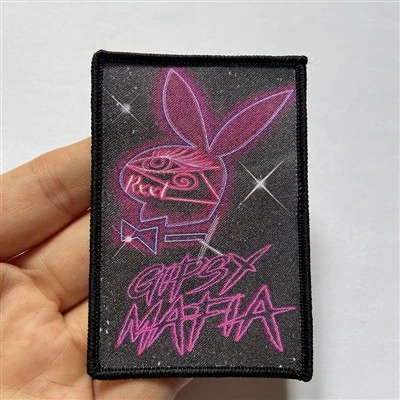
First, let’s talk about the demand that’s actually there, not just what social media is hyping. I recently ran a little check-in with 20+ clients—ranging from indie boutique owners to custom hat makers—and 18 of them said they struggle to find a supplier that can do small runs without charging an arm and a leg, can match custom thread colors perfectly, and gets the timeline right. Wait, small runs? That’s not just a big brand thing anymore. A lot of founders testing a new product line don’t want to drop $1,000 on 10,000 patches when they’re only going to use 500 for their first drop. Woven labels too—people are ditching cheap, scratchy printed tags inside clothing because customers keep complaining about them. Woven labels are soft, they lay flat, and they look way more polished. And guess what? The numbers back this up. The global woven label and patch market is projected to hit $4.8 billion by 2028, up from around $3.2 billion in 2023. That’s not a tiny blip; that’s steady, long-term growth. Why? Because brands across so many niches—streetwear, outdoor gear, pet products, even custom home goods—need them. I’ve had clients make patches for dog bandanas, for camping backpacks, for coffee mugs, even for leather journal covers. It’s not just clothing.
Now, let’s get real about the barriers to entry here, because nobody wants to overpromise. The biggest mistake new sellers make is thinking they need to buy a whole bunch of inventory upfront. If you’re starting out, you don’t need to invest in a bunch of looms or a huge stock of blank patches. That’s where a reliable supplier like us comes in—we do custom work, so you only order what you need, when you need it. But here’s the catch: not all suppliers are the same. I’ve seen too many new founders get burned by suppliers who deliver patches with loose threads, off-color threads, or 2-week delays when they promised 3 days. So when you’re picking a partner (that’s us, fyi), look for someone who can do two key things: small minimum order quantities (MOQs) and fast turnarounds. For context, our MOQ for woven patches is just 100 pieces, and labels? 200. That’s way lower than a lot of other suppliers, who might require 500 or 1,000 pieces—total overkill for a first-time founder testing the waters.
Wait, let’s address a common myth: “Woven products are too expensive for small businesses.” Let’s do quick math. A custom woven patch from a reputable supplier might cost you $0.50-$1.50 per piece, depending on complexity. If you sell them as add-ons to a hoodie ($55 each), a $1 patch is a no-brainer—you’re marking up 5,400%. Or if you sell the patches standalone at craft fairs or Etsy, you can charge $3-$7 per patch, which is totally reasonable for something that’s durable and custom. Woven labels are even cheaper—usually $0.10-$0.30 each, so adding those to a t-shirt that retails for $25 adds almost no cost, but makes the shirt feel way more premium. I’ve had a clothing brand that started by selling patches on Depop, with no clothing line at first. They’d make custom patches for other small brands, build a following, then launch their own hoodies with their own patches 6 months later. That’s a totally doable model. You don’t have to be a clothing brand to sell woven patches; a lot of our clients are just sellers on TikTok or Instagram, posting their custom patches and taking pre-orders before they even pay for a batch.
But where do you find your customers, right? Because even if the product is good, you need people to buy it. Let’s break down the niches that are screaming for woven patches/labels right now. First, streetwear and Y2K brands—they’re obsessed with patches right now. Think hoodies, trucker hats, cargo pants. Custom woven patches make a outfit look curated, not like a fast-fashion grab. Then, pet brands—dog bandanas, collars, even custom dog beds. A lot of pet owners love matching their pup’s gear with their own style, so a small custom patch on a dog collar is a huge seller. Outdoor recreation too: camping gear, hiking backpacks, waterproof jackets. Woven patches are durable enough to handle being tossed in a backpack or rained on, way better than iron-on vinyl that peels after one wash. Even small businesses: café’s use patches on staff aprons, yoga studios put their logo on yoga mats, bookstores add patches to tote bags. I had a local bookstore order 500 woven labels for their tote bags last quarter, and they sold out in 2 weeks.
Now, the mistakes to avoid when starting out. First, don’t overcomplicate your design. Woven patches and labels look best with clean lines, bold, solid colors—too many fine details get lost when woven. I’ve had a client come in with a super intricate logo with 12 tiny lines, and we had to tell them it would either cost way more or turn out blurry. Simplify, and it’ll look way better. Second, don’t price yourself too high or too low. If you’re selling patches for $1 each, you’re not accounting for shipping and materials, and if you sell them for $20 each, you’ll price out most small buyers. Third, don’t stock up on too much inventory early on. Start with a small batch, sell it, then reorder. That way, you’re not stuck with 5,000 patches nobody wants if your design doesn’t hit. And last, don’t sleep on social media. Most of our new clients find us on TikTok or Instagram, showing off their custom patches in action. A 15-second Reel of a hoodie being patched, or a dog wearing a collar with your logo, can go way more viral than a fancy website.
Wait, let’s talk about how working with a supplier like us makes this way easier than you think. We don’t just “supply” patches—we help you through every step. First, you send us your design file (or even a rough sketch—we can digitize it for you for free, no extra charge). Then we send you a digital proof to approve before we start production, so you know exactly what it’ll look like. Most suppliers make you pay upfront and then send a photo after they’re done, but we make sure you’re happy before we print a single patch. Our turnaround time is 7-10 days for samples, then 10-15 days for production after you approve—way faster than the 30+ days a lot of other places take. We also offer free shipping on all orders over $200, which is a big deal when you’re just starting and trying to keep costs low.
Is there a time this wouldn’t work? Well, if you’re only looking to sell 10 patches total, maybe custom iron-on is a cheaper short-term fix. But if you want to build a brand that’s about quality and longevity, woven is the way to go. Customers notice the difference between a cheap printed patch and a woven one—woven feels sturdier, looks more professional, and lasts way longer. I’ve had a client’s woven patches on hoodies that have been washed 50 times, and they still look as good as new. That’s repeat business right there—people will come back for more when their first batch holds up.
Let me leave you with a quick real example. A friend of mine started a small business last year selling custom patches for laptop sleeves. She ordered 100 patches from us for $0.75 each, sold each for $5, and made $425 profit after materials. In 2 months, she’d sold all 100, got 200 more, and now she’s also making woven labels for the inside of her laptop sleeves to brand them. She just hired a part-time help to handle orders. That’s not a big corporation— that’s a regular person with a small idea that worked. It’s not rocket science. The market is there, the barriers to entry are lower than you think, and having a solid supplier on your side makes all the difference.
So if you’re sitting there thinking, “Can I actually do this?” the answer is a resounding YES. You don’t need a huge budget, you don’t need years of experience, you just need a good design, a place to sell it, and a supplier who gets what you need. If you’re ready to stop wondering and start planning your next move, reach out to talk through your project—we can help you figure out MOQs, pricing, timelines, everything you need to get started. Don’t overcomplicate it; sometimes the best businesses start with a simple idea and a great custom patch.
Woven Patch/label References:
- Grand View Research. (2023). Global Woven Labels and Patches Market Size, Share & Trends Analysis Report, 2023-2028.
- Statista. (2024). E-Commerce Sales for Custom Apparel Accessories in North America, 2020-2024.
- Small Business Administration. (2022). How to Start a Niche Custom Product Business on a $1,000 Budget.
- Fashion United. (2023). Streetwear Accessory Trends: Woven Patches Driving Brand Loyalty for Emerging Labels.
- TikTok for Business. (2024). Creator Economy Report: Small Brands Growing via Custom Accessory Products.
Yiwu Lanying Garment Accessories Co., Ltd.
As one of the most professional woven patch/label manufacturers and suppliers in China, we’re featured by quality products and good service. Please rest assured to wholesale premium woven patch/label at competitive price from our factory. Customized orders are welcome.
Address: F1,NO.448, Majiaotang Village, Houzhai Street, Yiwu City, Zhejiang Province, China 322000
E-mail: zhangchunyingzi@126.com
WebSite: https://www.embroideredpatchfactory.com/
