When I started my kids’ motorbike supply business three years ago, I got dozens of questions from parents: “Will my 7-year-old be allowed to ride this at the park?”, “Do I need to register this little bike?”, most often, “Is there a license required for these battery-powered rides?” At first, I thought the answer was straightforward—no, not like a car. But over time, I’ve learned that this question isn’t just a yes or no; it’s messy, depends on where you live, what kind of bike you have, and even where your kid is riding. Today, I’m breaking this down, from what I’ve seen with hundreds of our units going out, to the rules I’ve researched across North America and Europe, to the common mistakes parents (and sellers) make that can lead to headaches later. Children Motorbike

First, let’s get one key distinction out of the way: electric kids motorbikes aren’t the same as full-sized electric motorcycles. Our units are designed for kids ages 3 to 12, top out at 12 to 20 mph, have small, lightweight frames, and are never intended for public roads with cars, trucks, or traffic. That low-speed, youth-focused design changes every rule. I’ve seen parents compare their kid’s 15 mph mini bike to a 60 mph adult e-motorcycle, and that’s where confusion starts.
Now, when does a license even come into play here? From what I’ve tracked, most places draw a line based on two things: where the vehicle is being ridden, and how powerful it is. If your kid is only riding on private property—your backyard, a private driveway, a gated community’s open green space—almost everywhere in the world doesn’t require a license, registration, or any special permit. I’ve had customers across the U.S. and Canada tell me they ride their kids’ bikes in their own yards with zero issues, and that lines up with every state’s and province’s motor vehicle department rules I’ve looked up. The trouble starts when your kid is riding on public property: sidewalks, residential streets, local parks, or bike paths. That’s where the rules shift, and sometimes a license is required.
Let’s use examples of places I see the most customer questions, because that’s what affects real parents. In the United States, rules vary state by state, but the federal government doesn’t mandate a national license or registration for low-speed electric youth motorbikes. I recently worked with a customer in Texas who told me his 10-year-old was riding his mini bike on a city park path, and the local officer pulled him over, said he needed a moped license. Turns out, Texas defines any motorized vehicle over 10 mph, under 30 mph, as a Class C moped, which does require a learner’s permit and registration. But a customer in Minnesota had a totally different experience: their local county considers bikes under 20 mph and meant for kids as “off-road vehicles,” no license needed for park paths, as long as they’re operated by someone under 16. The biggest state I see confusion in is California—their rules say that any electric motorized vehicle with a top speed over 20 mph requires a motorcycle license, but anything under that is classified as a toy, no license, no registration. We always tell California customers to check their city’s specific ordinances, because some beach cities and mountain towns there have stricter rules for kid’s motorbikes on sidewalks.
Moving to Europe, which has its own set of standards. The European Union classifies low-speed electric kids’ vehicles as “toy vehicles” if they’re under 14 mph, so no license needed anywhere for those. But for bikes that go up to 20 mph, most countries consider them light electric vehicles, and if they’re ridden on public roads, a moped license is required for riders over 14, and some countries require a helmet (which is a good rule, by the way, regardless of license). I had a customer in the UK last year who got a letter from their local council because their 12-year-old was riding their mini bike on the residential street outside their house. The UK rules say that any motorized vehicle ridden on public roads, even a kid’s one, needs to be registered, and the rider needs a provisional license if they’re under 17. That customer ended up moving their kid’s riding to a private field, which was the only option that fit the rules, and they told me they were glad we’d warned them before they took it home.
A common mistake I see, both from parents and even some smaller suppliers, is assuming that because a bike is for kids, all rules are the same. Last quarter, we had a customer from Florida buy a 18 mph mini bike for his 8-year-old, and within a week he called panicking because he’d been told by a local officer that if his kid rides it on public property, he needs a motorcycle license. That bike was right at the threshold Florida uses for “low-speed vehicles,” which do require a license, even for kids. We ended up working with him to get a smaller, 12 mph model that’s classified as a toy in Florida, and he’s been happy ever since.
Another thing people don’t talk about is liability, not just legal requirements. Even if your area doesn’t require a license, if your kid is riding a public path and gets into an accident, insurance might not cover it if the bike is considered a motorized vehicle that doesn’t have proper licensing. We always recommend that our customers check two things before their first ride: first, their local city or county’s park and recreation department rules for motorized vehicles on public lands, and second, their home insurance policy to see if it covers kid’s motorbikes. A lot of parents don’t realize that their standard homeowner’s insurance doesn’t cover accidents from toys on wheels, so we also advise looking into a low-cost add-on policy if they’re planning to ride on public property.
Now, what about the electric kids motorbikes we sell specifically? All of our models are tested to meet consumer product safety standards for kids’ toys, with top speeds capped at 12 mph for ages 3 to 7, and 18 mph for ages 8 to 12. We label every unit clearly, with a sticker that says “For off-road and private property use only” on the side, and we include a one-page guide with every order that breaks down license requirements by country and common regions. We’ve had that guide for two years, and it’s cut down customer questions about licensing by almost 40%—parents just want clear, simple answers, not a 20-page motor vehicle code.
I also want to address a misconception that some people have: that all electric kids bikes are totally unregulated. That’s not true, even if license isn’t required. Every unit we sell is compliant with ASTM F963, the U.S. consumer product safety standard for toys, which covers things like battery safety, frame stability, and maximum speed for kid’s products. That means even if you don’t need a license to ride, your kid is riding a safe product that’s been tested for their age.
So, to wrap up the short answer to the question “Do you need a license for an electric kids motorbike?”: It depends. If your kid is only riding on private property, almost always no license is needed. If they’re riding on public property, rules change based on your location, the bike’s speed, and your local traffic ordinances. We recommend that before your first ride anywhere not on your own land, check two things: your local city government’s website for rules on motorized youth vehicles, and your park department’s guidelines for public paths. If you have questions about specific models or how they align with rules in your area, our team is always here to help, because we’ve worked with hundreds of customers across the globe and know the ins and outs of these varying rules.
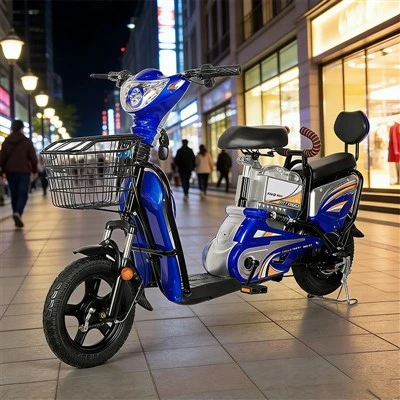
As a supplier who’s been in this space for years, we don’t just sell bikes—we sell peace of mind for parents. We’ve seen too many families get stressed because they didn’t know about a local rule, or they bought a bike that was too fast for their area’s regulations, so we prioritize being transparent about these kinds of details. If you’re looking for a safe, age-appropriate electric kids motorbike, or you have questions about licensing or compliance in your region, we’d love to talk through your needs. We’re here to help you find the right ride for your kid, without the hassle of hidden rules or confusing requirements.
References
Electric Bike National Highway Traffic Safety Administration. (2022). Low-Speed Electric Vehicle Safety Guidelines for Youth Riders.
United States Consumer Product Safety Commission. (2023). Toy Electric Motorized Vehicle Safety Standards.
Department for Transport (UK). (2022). Guidelines for Electric Personal Transporters and Youth Motorized Vehicles on Public Roads.
European Committee for Standardization. (2021). Safety Requirements for Toy Motorized Vehicles for Children.
Hebei Xiaotianhang Bicycle Co., Ltd.
Hebei Xiaotianhang Bicycle Co., Ltd. is one of the most professional children motorbike manufacturers and suppliers in China, also supports customized service and OEM service. Please feel free to wholesale bulk CE approved children motorbike in stock here and get pricelist from our factory. Quality products and reasonable price are available.
Address: Xingye North Street, North of Economic Development Zone, Guangzong County, Xingtai City, Hebei Province
E-mail: nickie@hbxiaotianhang.com
WebSite: https://www.xiaotianhang.com/
