If you’re running a general-purpose injection molding machine, there’s nothing more annoying than a screw slipping mid-cycle. One second, you’re cranking out parts that fit perfectly, the next, the screw’s spinning uselessly in the material barrel, no plastic advancing, no parts, just lost time and wasted resin. I’ve been selling and supporting these machines for over a decade, and let me tell you, screw slippage isn’t some random, unbeatable issue—it’s almost always fixable with small, intentional tweaks. Today, I’m breaking down exactly what causes it, the easy ways to prevent it, and the things that catch even experienced operators off guard. General-purpose Injection Molding Machine
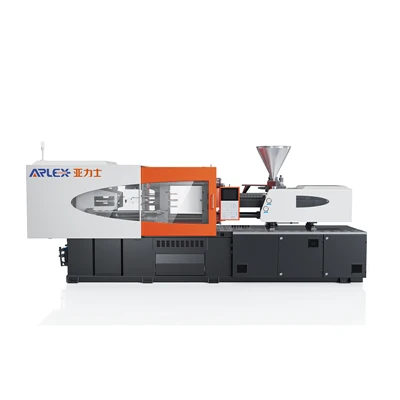
First, let’s get real about what a screw does. In a general-purpose injection molding machine (GIMM), that screw is the workhorse: it melts, mixes, and injects plastic into the mold. It’s designed with flights (the spiral grooves) that grip the molten resin and push it forward toward the nozzle. When slippage happens, those flights aren’t grabbing enough of the plastic, so the screw just spins in place instead of moving material. It’s not just a nuisance—it can mess up part quality, increase cycle time, and even wear out your machine faster over time.
Let’s start with the most common cause: wrong backpressure settings. A lot of new operators crank backpressure all the way up because they think it’ll make parts denser, but too much backpressure can trap air and pressure in the molten resin, making it slippery. Wait, no—actually, too little backpressure is way more likely to cause slippage. If your backpressure’s set too low, the resin doesn’t pack tight enough against the end of the barrel and the screw’s non-return valve, so when the screw turns, it’s spinning on a pool of loose plastic instead of solid, dense material. I see this all the time with small shops that just set and forget their parameters. The fix? For most GIMMs, backpressure should be between 10 and 25 bar, depending on the plastic type. For soft resins like PE or PP, stick to the lower end—10-15 bar—since they melt easier. For harder stuff like ABS or PC, bump it up to 20-25. Test it: if you’re seeing slippage, nudge backpressure up 2 bar at a time until the material advances smoothly, no spin.
Next, check your screw speed. This one trips people up too. A lot of operators crank the screw speed high to speed up cycles, but if it’s too fast, you’re shearing the resin too much before it’s fully melted. Shearing creates extra heat that turns the resin into a thinner, more fluid mess, and thin plastic doesn’t grip the screw’s flights like thick, molten plastic does. It’s like trying to stir soup with a fork versus a thick stew—you can spin the fork super fast and it doesn’t move the liquid, but thick stuff sticks. For GIMMs, screw speed should match the resin’s melt index. Low melt index resins (harder, thicker when melted) can handle 80-100 RPM, while high melt index (softer, runnier) need 50-70 RPM. If your screw’s slipping, slow it down by 10 RPM and see if that helps. I had a customer last month who was running PP at 120 RPM, wondering why half his shots were slipping—drop to 65 RPM, and he hasn’t had the issue since.
Then there’s the barrel and screw temperature profile. This is another big one. If your barrel zones aren’t heated evenly, you’ll have spots where the resin is either too solid or too runny. For example, if the feed zone (the first part of the barrel where resin pellets go) is too hot, the pellets melt before they’re supposed to, creating a slippery paste that the screw can’t grip. If the front zones (near the nozzle) are too cold, the resin is too thick, so the screw can’t push it forward. The sweet spot for GIMMs is usually a gradual temperature increase from feed zone to nozzle. For PP, that might be 180°C in zone 1, 200°C zone 2, 220°C zone 3, 230°C nozzle. Don’t crank the feed zone hotter than 190°C for most resins—you want the pellets to melt as they move down the barrel, not before. A quick test: pull a sample of resin from the nozzle mid-cycle. If it’s stringy but not watery, your temps are right. If it’s runny or bubbly, you’re too hot. If it’s lumpy, you’re too cold.
Now, let’s talk about material-related stuff. Slippage isn’t always a machine issue—it can be the resin itself. If you’re using recycled plastic, that’s a common culprit. Recycled resin often has contaminants, leftover additives, or inconsistent melt properties that make it slippery. It’s not that recycled plastic is bad, but you might need to adjust your parameters a bit. For recycled PP, add 2-3 bar of backpressure and drop screw speed by 10 RPM to compensate. Also, make sure you’re using the right drying for hygroscopic resins, like nylon or PET. If those resins have moisture in them, when they melt, they create steam bubbles that act like a lubricant between the screw and plastic, causing slippage. I see so many shops skip drying nylon because they think it’s a hassle, but a 4-hour dry at 80°C fixes 90% of that slippage issue. Another material tip: don’t mix resins unless you know they’re compatible. Mixing, say, PE with PP creates a weak blend that’s super slippery, so the screw can’t get a grip. Stick to pure resins or compatible blends.
Then there’s mechanical stuff, not just settings. Over time, your screw’s flights can wear down. If the edges of the flights are smooth instead of sharp, they can’t dig into the resin to push it forward. That’s wear and tear from thousands of cycles, especially if you’re running abrasive resins (like filled plastics with glass fibers). If you’re noticing slippage more often as your machine ages, it might be time for a screw inspection. Most GIMM suppliers offer screw rebuilds or replacement, so don’t wait until it’s a major breakdown. Also, check your non-return valve (the ring at the end of the screw) regularly. If that valve’s stuck open or worn, it can let plastic flow back, creating a gap between the screw and material that leads to slippage. A quick check: shut off the machine, remove the nozzle, run a small shot, and see if plastic flows back from the screw. If it does, your non-return valve needs a clean or a replacement.
Wait, also, operator habit. A lot of new operators rush the purging process. Purging is when you run a shot of cleaning compound (like polyethylene purge) to clear the barrel between resin changes. If you don’t purge long enough, leftover old resin can mix with new resin, creating a slippery mess. I always tell operators to run at least 5-10 purge shots, or until the nozzle comes out clean, before switching resins. I had a customer who changed from ABS to PE and only did 3 purge shots—his first 10 parts were slipping because leftover ABS made the resin mix too runny. Easy fix, just more purge shots.
Now, how do you test if you fixed the issue? After adjusting backpressure, screw speed, or temps, run a few test cycles with the material you’re using. Watch the screw during the plasticizing phase: if it moves smoothly forward instead of spinning, you’re good. If it still slips, tweak one parameter at a time (don’t change everything at once) so you can see what works. For example, if you changed backpressure and temps and it still slips, slow screw speed 10 RPM, test again. If that doesn’t work, check the screw’s flights or non-return valve—probably mechanical.
Let’s wrap this up. Screw slippage in general-purpose injection molding machines is almost never a death sentence. It’s usually a mix of wrong settings, poor prep, or minor mechanical wear. The key is to diagnose it step by step, not panic. If you’re still dealing with consistent slippage after trying these tips, your machine might need a closer look—whether that’s a parameter adjustment from our team at the GIMM supplier, a screw inspection, or some routine maintenance. We work with shops big and small to tweak their setups, replace worn parts, and make sure their GIMMs are running smoothly. If you’re tired of lost time and wasted resin from screw slippage, reach out to us to chat through your specific setup. We can walk you through the exact adjustments for your resin and machine, no generic advice.

When you run a GIMM, every minute counts. Slippage shouldn’t be a daily headache. With these small tweaks, you’ll cut cycle time, reduce waste, and get consistent parts without the hassle. Don’t let a spinning screw slow you down—let’s get your machine back to working like it should.
Fruit Crate Injection Molding Machine References
- Rosato, D. V., & Rosato, M. G. (2004). Injection Molding Handbook (3rd ed.). Hanser Publishers.
- Giles, H. F., Wagner, J. R., & Ortman, M. (2001). Extrusion: The Definitive Processing Guide and Handbook. William Andrew Publishing.
- Plastics Industry Association. (2022). General-Purpose Injection Molding Operations Guide.
- Boothroyd, G., & Knight, W. A. (2006). Fundamentals of Metal Machining and Machine Tools (3rd ed.). CRC Press.
Ningbo Yalishi (Arlex) Plastic Machinery Co., Ltd.
Ningbo Yalishi(Arlex) Plastic Machinery Co., Ltd. is one of the most reliable general-purpose injection molding machine manufacturers and suppliers in China, featured by quality products and low price. Please rest assured to wholesale cheap general-purpose injection molding machine made in China here from our factory. Customized orders are welcome.
Address: No.63, Huangsu East Road, Industrial Zone, Dongqian Lake Tourist Resort, Ningbo, Zhejiang Province
E-mail: leo@arlex.cn
WebSite: https://www.arleximm.com/
