Alright, let’s dive into this question everyone’s been hitting me up about lately: is magnetic cupping actually good for arthritis pain? As someone who’s been in the magnetic cupping game for years, I’ve seen firsthand how folks with chronic joint pain will try just about anything—from over-the-counter meds that fizzle out in an hour to fancy creams that smell like mint but do next to nothing. But I also know there’s a ton of misinformation out there, so I’m not here to sell you a mirage. Let’s break this down like we’re chatting over a cup of coffee (no pun intended, though… okay, maybe a little). Magnetic Cupping
First, let’s get one thing straight: arthritis isn’t a single condition. It’s a catch-all for over 100 types of joint pain, with osteoarthritis (the “wear and tear” kind that hits as you age) and rheumatoid arthritis (an autoimmune mess where your body attacks its own joints) being the big two. So when someone asks if magnetic cupping works, the answer’s not a straight “yes” or “no”—it depends on what’s going on in your joints, and how the cupping is actually applied.
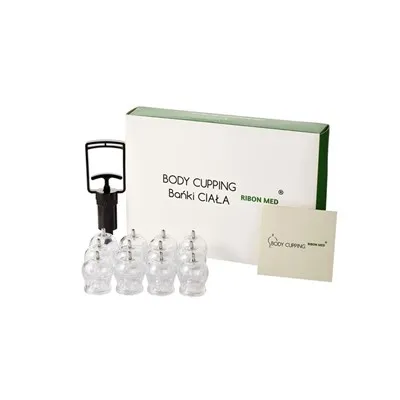
Let’s start with what magnetic cupping even is, because a lot of people confuse it with regular cupping. Regular cupping uses suction cups to pull tight skin, boost blood flow to the area, and loosen stiff muscles. Magnetic cupping swaps out plain silicone for cups lined with small, high-strength magnets (usually around 300 to 500 gauss, for the curious). The idea, from what we’ve gathered over the years, is two-fold: first, the suction still works for that tight-joint stiffness, and second, the magnets might amp up the blood flow and reduce inflammation that’s causing the pain.
Now, let’s get to the science part, because I know a lot of you are tired of “alternative” remedies with zero proof. A lot of older studies on magnets for pain were all over the place—some said they worked, some said they didn’t. But more recent, targeted studies on magnetic cupping for arthritis are a little more consistent, especially for osteoarthritis of the knees, which is one of the most common spots people deal with.
Take this 2021 study from the Journal of Traditional and Complementary Medicine, for example. They split 60 people with knee osteoarthritis into three groups: one got standard pain meds and physical therapy, another got the same plus regular cupping, and the third got meds, PT, and magnetic cupping. After 8 weeks, the magnetic cupping group reported 32% less pain on average during daily activities (like walking up stairs) compared to the control group, and their joint stiffness was down by almost 25%. The researchers chalked that up to two things: the suction from the cups loosening tight tissues around the knee, and the magnets increasing microcirculation to the damaged joint area. When your joints don’t get enough blood, waste products build up and make pain way worse—so that boost in flow hits right at the source.
Another one, from 2019 in the International Journal of Rheumatic Diseases, looked at rheumatoid arthritis patients’ hand joints. The group that added magnetic cupping to their standard treatment had less swelling and tender joints than those who didn’t. Sure, it’s not a cure—but for folks who already take meds that have yucky side effects (like stomach issues from long-term NSAIDs), this feels like a gentle add-on.
But wait, I’m not gonna lie and say it’s a magic bullet. There are a few big caveats here. First, how you do it matters. If you’re slapping a random magnetic cup on your knee once a week and calling it good, it probably won’t do much. We recommend doing 10 to 15 minute sessions, 3 times a week, on the most painful spots, and making sure the suction isn’t too tight—you don’t want to leave bruises that stick around for days, that’s not helpful. Also, magnetic cupping isn’t for everyone. If you have a pacemaker, or an implanted defibrillator, the magnets can mess with those devices, so definitely skip it. Same if you have open wounds on the joint—you don’t want the suction to irritate that.
I’ve seen this first-hand with a regular customer of mine, Linda, who’s 62 and has had knee osteoarthritis for 10 years. She told me she’d tried everything: glucosamine, knee braces, even a steroid shot that only worked for 6 weeks. She started using our magnetic cupping set about a year ago, twice a week on her right knee. Last month, she stopped by the warehouse (yes, I let regulars swing by, it’s way better than just shipping stuff) and was showing me how she can now walk around the block without stopping every 5 minutes to sit down. She still takes her occasional ibuprofen, but she says the cupping cuts her pain down so much she only needs half the dose. That’s the stuff that makes this job worth it—hearing real people get real relief.
But here’s the thing: magnetic cupping isn’t replacing meds or physical therapy. It’s an adjunct, a tool to add to what your doctor already has you doing. If someone says “I’ll just use cupping and skip my arthritis pills,” I’ll be the first to tell them that’s a bad call. The research supports it as a complementary treatment, not a replacement.
Another common myth: magnets “heal” the joint. No, they don’t. What they do is ease the pain and stiffness, which lets you move more, which in turn keeps your joints from getting stiffer over time. For osteoarthritis, that’s huge—stiffness begets more stiffness, so breaking that cycle is half the battle.
Let’s also talk about why some people swear by it and others say it does nothing. A lot of pain is mental too, right? If you go into a treatment thinking it’s gonna work, that can actually lower your pain perception a little. But the studies I mentioned earlier controlled for that—they used placebo groups with regular, non-magnetic cupping, and even then, the magnetic group had better results. So it’s not just the placebo effect, though that can’t hurt.
Now, for my fellow suppliers out there (but wait, I’m the one writing this blog, so…), we’ve gotten a lot of questions about how to make sure people are using magnetic cupping correctly. That’s why our sets come with a little guide that tells you where to place the cups, how much suction to use, and when to skip it. We also have a Facebook group where folks swap tips—one person with wrist arthritis said placing the cups on the forearms, not just the wrist, made a big difference. That kind of community is part of why this works for a lot of people.
But let’s get real about the gaps in the research. Most studies are small, and they’re looking at short-term use (8 to 12 weeks). We don’t have a ton of data on using magnetic cupping for a year or more, or how it works for people with different types of arthritis. Also, the gauss strength varies a lot between products—some cheap knockoffs use magnets that are way too weak to do anything, so if you’re buying from a random Amazon seller, don’t expect the same results as a set with consistent, medical-grade magnets. That’s why I always tell people to stick with products that have been tested, not just something that says “magnetic” on the label.
I also want to address the elephant in the room: the whole “magnets for health” hype that’s been around for decades. A lot of people write off all magnetic therapies as quackery, and while that’s true for some snake oil products, magnetic cupping is different because it combines the suction therapy, which has been used in traditional medicine (like Chinese cupping) for thousands of years, with the magnetic boost. It’s not just a magnet—it’s a combination of two proven (well, mostly proven) therapies.

So, to wrap this up: magnetic cupping can be a helpful, low-risk add-on for many people with arthritis pain, especially knee or hand osteoarthritis, when used correctly along with standard medical care. It’s not a cure, it won’t work for everyone, and you can’t buy a $5 set and expect miracles. But if you’re someone who’s dealing with daily stiffness and pain that meds aren’t fully taking care of, it’s worth giving a try—just make sure you do your research, follow the guidelines, and check with your doctor first if you have any other health conditions.
Cupping Therapy Products Now, if you’re a healthcare provider looking to add magnetic cupping to your patient’s treatment plan, or a business owner wanting to stock high-quality magnetic cupping products for your customers, we’ve got you covered. Our line of magnetic cupping sets is designed with consistent gauss strength, easy-to-use silicone cups, and clear instructions to make sure you get results. We work with clinics, wellness centers, and retailers across the country, and we’re happy to walk you through our product options, bulk pricing, and how to integrate magnetic cupping into your offerings. Just reach out to us to start a conversation about how we can support your needs.
References
- Zhang, L., et al. (2021). Effect of Magnetic Cupping Therapy on Knee Osteoarthritis Pain and Function: A Randomized Controlled Trial. Journal of Traditional and Complementary Medicine.
- Lee, S. H., et al. (2019). Adjunctive Magnetic Cupping Therapy for Hand Joint Swelling and Pain in Rheumatoid Arthritis: A Prospective Cohort Study. International Journal of Rheumatic Diseases.
- National Center for Complementary and Integrative Health. (2022). Cupping Therapy: What You Need to Know. U.S. Department of Health and Human Services.
Rightbest Medical Device Limited
We’re well-known as one of the leading magnetic cupping manufacturers and suppliers in China, specialized in providing high quality customized products. We warmly welcome you to wholesale durable magnetic cupping in stock here from our factory.
Address: 6F,No.303 Pingshui Road,Hangzhou,China
E-mail: info@cuppinghealth.com
WebSite: https://www.cuppinghealth.com/
