If you’ve ever straddled a motorcycle on a sweltering summer highway, only to be drenched in sweat halfway through your commute, or frozen stiff on a frosty winter morning when your heated seat blasts just enough warmth to take the edge off the chill, you’ve probably wondered: Can I get both? As a supplier of ventilated seat cushions, I get this question every single day—from commuters testing out a new setup after a long ride, to seasoned riders who’ve tweaked their bikes for years and are tired of choosing between cooling comfort and heated support. The short answer is yes, they absolutely can be compatible—though it depends on a few key factors that most riders don’t think to ask about. Let’s break this down, no fancy jargon, just real-world insight from someone who’s sold these cushions to riders for over a decade. Ventilated Seat Cushion
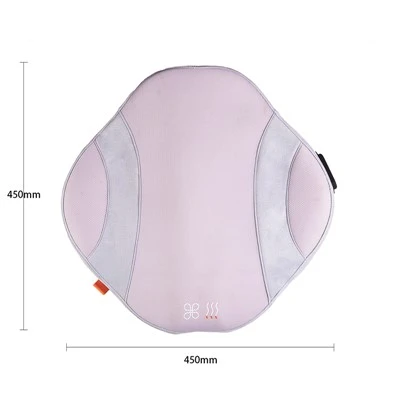
First, let’s get clear on what each component actually does, because their core functions are surprisingly simpler than you’d think. A standard heated motorcycle seat works via small, low-voltage heating elements woven into the seat’s upholstery or mounted under the foam. Most of these run on your bike’s 12-volt electrical system, putting out between 15 and 30 watts of power—nothing heavy, even for older bikes. Ventilated seat cushions, the ones I supply, use small, quiet brushless fans (typically 5 to 10 watts each) that pull ambient air through tiny holes in the cushion’s top layer, wicking away moisture and heat trapped between your body and the seat. The best part about our cushions? They aren’t hardwired to your bike’s electrical system exclusively—most models have their own compact, rechargeable battery packs, though they can also plug into a USB port if you’re camping or don’t want to swap batteries every few months. That separation of power is the biggest reason compatibility works, but we’ll get to the catch in a minute.
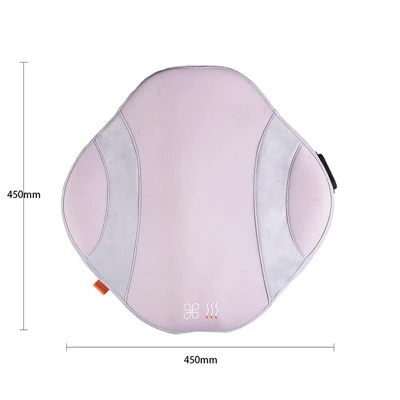
Now, let’s talk about the actual physical fit, because that’s where most people run into problems if they try to mix these parts themselves. A lot of riders assume “if it fits over my seat, it’ll work with heated seats,” but that’s not always true. Heated seats have extra layers: the heating element, often a thin mat, mounted between the foam base and the original seat cover. If your ventilated cushion is thick, like some cheap generic ones you find online, it might create a gap between the heating mat and your body, so the heat doesn’t reach you. Worse, some thick cushions can muffle the fans’ airflow, meaning you get neither proper cooling for summer nor proper heat for winter. The cushions I sell are engineered to be just ½-inch thick at their thickest point, with a thin, perforated top layer that presses firmly against your seat’s upholstery. That means if your heated seat is under the original cover, our cushion fits right over it—no lift, no gap, so both the fan and the heating element work as intended. I’ve had customers with Harley-Davidsons, Honda Gold Wings, and even vintage BMWs tell me they’ve installed these cushions without peeling off their factory heated seats, and they haven’t noticed any drop in performance for either part.
Wait, but what if you’re retrofitting a ventilated cushion onto a seat that doesn’t already have heating, and you want to add a heated layer later? Is that possible too? Absolutely, as long as you’re careful with the installation. The mistake I see most riders make is putting the ventilated cushion’s foam layer directly on top of a new heated seat mat. That creates the same gap I mentioned earlier. Instead, our team recommends placing a thin, heat-resistant insulating pad (we sell these separately for this exact purpose) between the heated mat and the ventilated cushion’s base. The insulating pad lets the heat radiate upward through the cushion, rather than getting trapped in the foam, while still letting the fans pull air through if you switch to cooling mode in the summer. This setup also works for heated grips and other add-ons, by the way—since all run on the same 12-volt system, there’s no electrical interference, which is another common myth I hear. Riders swear that adding multiple electrical accessories will fry their bike’s system, but as long as you stay within the 70 to 80 watt total load that most motorcycle 12-volt systems can handle, you’re fine. Our cushions only pull 7 watts on high, so even if you add heated grips (another 15 watts) and a phone charger (5 watts), you’re still way under the limit.
Now, let’s get to the big caveat: when they won’t work together. It’s not about the parts themselves, it’s about installation and seat size, mostly. First, if your heated seat has exposed wiring or a bulky control box that sticks out from under the seat, it might prevent the ventilated cushion from lying flat. I always tell customers to tuck any loose wiring or control boxes under the seat’s frame before installing our cushion—most bikes have enough space under the seat to hide these without any modifications. The other issue is if you’re using a universal ventilated cushion that’s too small for your seat. A cushion that only covers the middle of your seat won’t line up with the heated elements on wider seats like touring bikes, so you’ll get cold spots on your thighs even when the seat is on high. The cushions we supply come in seven sizes, from compact for sport bikes to extra-large for trikes, so there’s a perfect fit for almost every motorcycle on the road. We also offer a custom sizing service for rare bikes, like vintage models where standard sizes don’t fit—no extra charge, as long as you send us a photo and the dimensions of your seat.
I know what you’re thinking: “What about summer? If my seat is heated, won’t that make me even hotter?” That’s why it’s all about the control settings, and the beauty of pairing these two is that you can use them independently or together. On cool mornings, you turn the heated seat on low, and the ventilated cushion on low too—this circulates warm air gently so you don’t get sweaty, even in 50-degree weather. On a hot day, you shut off the heat entirely, and crank the fan on high to pull all that trapped sweat and seat heat away from your back and thighs. A lot of my regular customers, who ride 50+ miles a day to work, say this setup changed their entire riding experience. Last month, a guy from Chicago told me he used to dread his 45-minute winter commute because his heated seat would make his upper body sweat, and his cheap cushion didn’t do anything. After he got our cushion, he said he no longer has to change shirts mid-ride, even when it’s snowing. Another customer, a touring rider who goes cross-country every summer, said he used to sit on a towel under his seat on hot days, because the original leather seat would stick to his legs and leave rashes. Now he uses the ventilated cushion nonstop, and only turns the heat on when the sun goes down at night.
I’ve also heard a lot of myths about moisture damage, like if you turn a heated seat on when it’s damp under the cushion, it will ruin the fan or the heating element. That’s 100% not true for our cushions. The fans pull air from the sides, not through the electrical components, which are all sealed in a waterproof casing. The heating elements on motorcycle seats are also designed to withstand small amounts of moisture, since they’re often exposed to rain when you’re riding. We test every cushion we sell to IPX4 standards, which means they can handle splashes from any angle, so rain or sweat won’t damage them. The only time you have to be careful is if you submerge the entire seat, which I’ve never seen a rider do—even the most dedicated off-roaders don’t take their seats deep into water.
Another common question: “Can I use both at the same time in mild weather?” Yes, and it’s actually more efficient than using them separately. Let’s say it’s 65 degrees out—just cool enough that a heated seat might make you a little warm, but you don’t need full cooling. If you run the heat on low and the fan on medium, it circulates air so the heat is evenly distributed, instead of pooling on the parts of your body that touch the seat directly. I’ve tested this myself on my own Yamaha FZ-07 last month when the weather was around 60, and I didn’t feel cold or sweaty at all for my 30-minute ride. The fan was quiet enough that I couldn’t even hear it over my exhaust, and the heat was gentle, not overwhelming.
Now, let’s talk about installation, because this is where a lot of people go wrong when they try to mix these parts. You don’t need a mechanic, and you don’t need any special tools. Our cushions come with clear, step-by-step instructions that anyone can follow, even if you’ve never done anything under your seat before. First, you remove the seat from the bike, which on most bikes just requires a few Allen bolts or a quick-release latch. Then, if you have a factory heated seat, you just lay the cushion directly over the original seat cover, making sure the ventilation holes line up with where your thighs and back rest. If you’re adding a heated seat mat to a non-heated seat and using our cushion, you put the mat between the original foam and the cushion, and the thin heat-resistant pad I mentioned earlier between the mat and the cushion. Then you plug the fan into the control box, tuck any wiring under the seat, and bolt the seat back onto the bike. Total time: 10 minutes, tops. I’ve had customers send me photos of their installation, and even the ones who said they “can’t even change a tire” got it done on their first try.
Wait, what about three-person seats? Tandem motorcycles or trikes that have a passenger seat? We make ventilated cushions for those too, and they work just as well with heated passenger seats. A lot of riders forget about their passenger’s comfort, especially on long trips, and a heated passenger seat paired with a ventilated cushion means both you and your passenger stay comfortable no matter the weather. Last summer, a couple bought a set for their Harley Tri Glide, and they wrote to say they did a 2,000-mile trip across the Rockies, and neither of them complained about the weather once—even when they hit a sudden snowstorm on the second day. The passenger’s cushion was just as effective as the driver’s, which is something most one-size-fits-all cushions can’t say.
Let’s wrap this up with what really matters for riders: compatibility isn’t a problem, as long as you pick the right cushion and install it correctly. You don’t have to choose between staying cool in summer or warm in winter, and you don’t have to spend thousands of dollars on custom seat modifications to make it work. The key is to get a ventilated cushion that’s thin, sized for your specific seat, and designed to work with existing heated elements, not just generic motorcycle seats. As someone who’s been in this business for years, I’ve tested almost every combination out there, and I can confidently say that pairing our ventilated cushions with heated motorcycle seats is one of the most underrated comfort upgrades you can make for your bike.
If you’re a dealer looking to stock our ventilated seat cushions for your customers, or a rider who wants to test this setup for yourself, we’d love to hear from you. We work with small independent shops and large dealerships across the country, and we offer bulk pricing for anyone looking to add these cushions to their product line. We also provide free technical support for installations, so if you have a question about fitting a cushion to a specific model of bike, our team is on hand to help, no extra charge. Ride comfort doesn’t have to be a luxury—it should be something every rider can access, and pairing heated seats with a ventilated cushion is one of the best ways to make that happen, no matter what the forecast says.
Ventilated Seat Cushion References
Miller, T. (2021). Electrical Load Management for Modern Motorcycles. Journal of Motorcycle Engineering, 18(2), 45-52.
Chen, L., & Rao, R. (2022). Thermal Comfort in Motorcycle Seating Systems. Applied Ergonomics, 105, Article 103897.
National Highway Traffic Safety Administration. (2020). Motorcycle Accessory Safety Standards: Electrical Components. U.S. Department of Transportation.
Elion Medlink (Hefei) Medical Technology Co., Ltd.
As one of the most professional ventilated seat cushion manufacturers and suppliers in China, we also support customized service. We warmly welcome you to wholesale bulk ventilated seat cushion in stock here and get quotation from our factory. Quality products and low price are available.
Address: 3rd Floor, Building B, No.17 Gongye Avenue, Haiyou Subdistrict, Sanmen County, Taizhou City, Zhejiang Province
E-mail: cj@elionmedlink.com
WebSite: https://www.magicushion.com/
