Hey there, if you’ve ever spotted a big, sturdy truck hauling massive loads down the highway or navigating a tight construction site, there’s a good chance it could be a HOWO Tractor Truck. As a supplier that’s worked with these rigs for years, I get asked all the time: “What makes a HOWO tractor so different from every other big truck out there?” Let me break this down like I would to a new driver or a shop manager looking to upgrade their fleet—no stuffy jargon, just straight talk. HOWO Truck
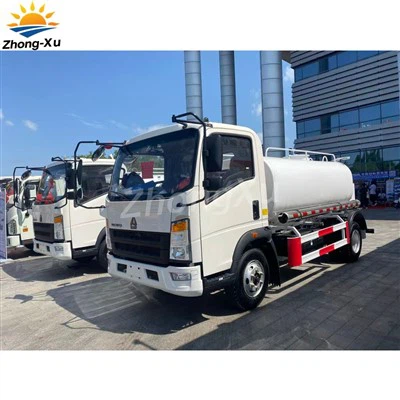
First, let’s get the basics clear: a HOWO Tractor Truck isn’t like a box truck you see dropping off groceries. It’s a heavy-duty vehicle built specifically to tow semi-trailers, flatbeds, or tankers. Think of it as the “workhorse hookup” for your cargo—no trailer of its own, but designed to lock into one and haul tens of thousands of pounds across cities, countries, even continents. HOWO is a flagship brand from Sinotruk, a China-based manufacturer that’s been cranking out heavy trucks since the 1950s, but the HOWO line blew up globally over the last 20 years because they stopped cutting corners on the stuff that actually matters for long hauls.
Let’s talk about why drivers love HOWO tractors, and why I keep recommending them to clients. For starters, the engine. Most HOWO tractors come with advanced diesels—some up to 500 horsepower, torque that kicks in low so you don’t struggle when climbing a steep hill fully loaded. That torque is a big deal; I’ve seen guys pull 80,000 lbs (that’s the legal limit in a lot of places) up mountain passes without downshifting every two minutes. Plus, modern HOWO models have better fuel efficiency than a lot of competitors. For fleet owners, that adds up to thousands of dollars saved a year on diesel—no small chunk of change when you’re running 10+ trucks.
Then there’s the cab. Long hauls mean drivers spend 10+ hours a day in that space, so HOWO didn’t skimp here. The cabs are roomy—some have a full-size sleeper, a mini fridge, even Bluetooth and touchscreen navigation. I’ve had drivers tell me the climate control is way better than older trucks they used; no more freezing in winter or sweating through a shift in summer. The controls are laid out simply too—no confusing buttons scattered everywhere, so a new driver can get comfortable without a week of training.
Durability? That’s where HOWO really shines. These trucks are built for rough conditions. Whether you’re hauling construction materials on unpaved roads or navigating the potholes of a busy port, the chassis is reinforced, the suspension is heavy-duty, and the brakes are designed to handle maximum load without wearing out too fast. I’ve had a client run a HOWO tractor for 15 years and only replace the engine once—way longer than the industry average for similar trucks. That reliability means less downtime, which is money in your pocket.
Wait, let’s be clear: HOWO isn’t just one model. There are different lines for different jobs. If you’re hauling heavy construction gear, you’d go for a HOWO 7 series with extra torque. If you’re moving refrigerated cargo, there are models with built-in power take-offs (PTO) to run the trailer’s cooling unit without needing a separate generator. Even for short-haul jobs, there are lighter HOWO tractors that are easier to maneuver in city traffic, perfect for local deliveries of goods or supplies. A lot of people think heavy-duty trucks are only for long distances, but HOWO has options for every kind of towing work.
Now, as a supplier, I get why some folks might be hesitant. There are a lot of “no-name” heavy trucks out there, and it’s easy to wonder if HOWO is worth it. Let me tell you—Sinotruk invests a lot in testing their HOWO line. They do millions of kilometers of endurance tests in extreme heat, cold, and rain to make sure these trucks don’t break down when you need them most. Also, parts are easy to find almost anywhere now—with the global popularity of HOWO, you don’t have to wait weeks for a replacement part if something goes wrong on the road. That’s a huge plus; I’ve had a client stranded with a competitor truck because they had to special-order a part, but a HOWO driver could get a part locally in most countries.
Another thing I love about HOWO tractors is their adaptability. You can customize them for almost any use case. Want a flatbed trailer for lumber? The HOWO can handle the hookup, and you can add extra light bars for nighttime hauls, or toolboxes for on-the-go repairs. Hauling liquid chemicals? There are models with sealed fittings and corrosion-resistant frames. Even for specialty jobs like moving oversized loads, there are HOWO tractors with higher weight ratings and extra axles to keep the load stable. It’s not a one-size-fits-all rig—you can tailor it to your business needs.
Let’s talk about day-to-day operation, too. HOWO tractors are designed to be easy to maintain. The engine bay is laid out so mechanics can reach every part without fighting with tight spaces, which means less time in the shop and more time on the road. Oil changes, filter replacements—they’re straightforward, even for small repair shops that aren’t specialists in heavy trucks. That saves you money on maintenance costs, which is a big win for any business owner.
I’ve worked with all kinds of clients over the years: small fleet owners with 2 trucks, big logistics companies with 50+, construction firms moving materials, even agricultural businesses hauling grain. Every single one of them that’s switched to a HOWO tractor has told me they never looked back. Why? Because the total cost of ownership is lower. Yeah, the initial price is competitive, but when you factor in better fuel efficiency, less downtime, longer lifespan, and easy maintenance, it’s a smart investment, not just a purchase.
Wait, let’s address a common misconception: “They’re Chinese trucks, so they’re low quality.” That’s old info. Sinotruk has been making HOWO trucks for international markets for over a decade, and they’ve updated their technology a lot. Modern HOWO tractors meet global emissions standards, like Euro 6, so you don’t have to worry about passing emissions tests in most countries. They also have advanced safety features now—anti-lock braking systems (ABS), traction control, even lane departure warnings for long hauls. Safety is non-negotiable, and HOWO doesn’t cut corners here, which is something I can stand behind.
So, what’s a HOWO Tractor Truck, in a nutshell? It’s a heavy-duty, versatile workhorse built for towing, designed to be durable, fuel-efficient, and low-cost to maintain. It’s for anyone who needs to move large loads reliably, whether you’re a small business owner or a big logistics pro.

If you’re in the market for a new or used HOWO tractor, or you just want to learn more about which model fits your needs, I’m here to help. Every business is different—if you tell me what you’re hauling, where you’re hauling it, and how often, I can point you to the right HOWO model, answer any questions about specs, maintenance, or pricing, and help you get set up with a rig that works for your bottom line. No sales pitches, just straight talk about what will actually make your job easier and your business more profitable. Don’t hesitate to reach out to talk through your requirements, compare options, or schedule a demo if you’re local. Let’s find the right HOWO tractor for your fleet.
HOWO Crane Truck References
- Sinotruk Global. (2023). HOWO Tractor Truck Product Portfolio.
- Heavy Truck Manufacturers Association. (2022). Global Heavy-Duty Tractor Truck Reliability Report.
- International Organization for Standardization (ISO). (2021). Heavy Commercial Vehicle Emissions Standards for Euro 6 Compliance.
- Truck Maintenance & Repair Journal. (2023). Cost Analysis of Heavy-Duty Tractor Truck Ownership.
- Highway Traffic Safety Administration (NHTSA). (2022). Heavy Truck Safety Feature Adoption Trends.
Liangshan Zhongxu Automobile Trading Co., Ltd.
As one of the leading howo truck manufacturers and suppliers in China, we provide high quality modern transport vehicle with competitive price. Welcome to buy high-grade howo truck for sale here from our factory. If you have any enquiry about quotation, please feel free to email us.
Address: Feichi Automobile Industrial Park, No.1 Jiangjie Road, Liangshan County, Shandong Province, China.
E-mail: 95340278@qq.com
WebSite: https://www.zhongxu-auto.com/
