When I first started working with reflective fabric suppliers over a decade ago, I assumed it was just about gluing shiny bits to cloth. I’ve learned since then that using reflective fabric for visibility is equal parts science, practicality, and understanding how light interacts with the world around us—whether you’re out for a midnight run, a construction crew working after sunset, or a parent walking a small child to the school bus. As a supplier of reflective fabric, I get asked weekly by customers (from small boutique apparel makers to large industrial safety firms) how to use this material effectively, not just where to stick it. Let’s break this down the way I explain it to every new contact, mixing the real-world lessons we’ve picked up from working with hundreds of projects over the years. Reflective Fabric

First, let’s get the basics out of the way: reflective fabric works because it incorporates retroreflective technology, not the kind of shiny surface that just bounces light back randomly. Microscopic glass beads or prisms are embedded into the fabric’s surface—these tiny elements catch incoming light (like from a car’s headlights, a bike’s headlight, or even a handheld flashlight) and redirect it straight back to its source, instead of scattering it in all directions. That’s why a runner in all black might be invisible to a driver 500 feet away, but add a small strip of reflective fabric to their arm, and suddenly they glow like a small sign, no matter how dark it is. It’s this core technology that makes it so much more reliable than simple metallic trims that wear off or don’t perform in low light.
But here’s where most people go wrong: they buy a roll of reflective fabric, stick it haphazardly onto a jacket or work vest, and wonder why it’s not visible when they test it. Placement is everything, and it ties directly to how people and vehicles move in real scenarios. For pedestrians, that means placing reflective fabric on high-motion areas and parts of the body that are most likely to catch a driver’s eye. Think about it: a driver’s eyes are drawn to movement, so reflective fabric on elbows, wrists, and ankles will catch that movement as someone walks or runs. We’ve supplied fabric for a local running club that used small reflective patches on the heel of their running shoes, and after a couple of seasons, they told us that drivers at a nearby crosswalk consistently noticed members before anyone without those patches—even better than larger patches on the chest, because the heel moves with every step, drawing more attention.
For construction or industrial workers, the rules shift a little. These teams are often operating heavy machinery, and drivers of those machines need to see a person from all angles, even at a distance. That means placing reflective fabric in 360-degree patterns: strips around the upper arm, the torso, the thigh, and the lower leg. We worked with a road maintenance crew last year that swapped their old iron-on reflective tape for our woven reflective fabric, and their safety manager reported a 30% drop in near-misses within the first six months. The difference was that our fabric is sewn down, so it doesn’t peel off when they climb in and out of trucks or brush against sharp guardrails, and the continuous strips meant that even if a worker turned sideways, there was always a reflective surface facing the driver.
Next, matching the right type of reflective fabric to the job. Not all reflective fabric is created equal, and picking the wrong one can lead to it failing when you need it most. We stock three main types, and I always walk customers through which fits their use case:
The first is pressure-sensitive adhesive (PSA) reflective fabric, great for one-off projects or temporary use—like a parent adding patches to a kid’s backpack for a school walk, or a cyclist sticking strips to a helmet. The PSA is strong, but it doesn’t hold up to heavy wash cycles or extreme temperatures, so it’s not ideal for work uniforms or outdoor gear that gets a lot of use. I always tell customers testing this to apply it to a clean, dry surface, press firmly for 30 seconds, and avoid using it on leather or fabrics with a lot of texture, because the adhesive won’t bond properly.
Second is woven reflective fabric, which is what we use most for apparel and workwear. This is made by weaving tiny retroreflective threads right into the fabric’s weave, so it’s soft, flexible, and can be sewn like regular cloth. It withstands hundreds of wash cycles (as long as you use a gentle cycle and avoid high heat when drying) and holds up to abrasion. We supplied woven fabric to a ski resort’s lift crew last year, and they told us that even after a full season of skiing, climbing, and washing, the reflective strips on their jackets were still as bright as the day we delivered them. This is the go-to for most clothing projects because it’s comfortable to wear and durable.
Third is high-intensity prismatic reflective fabric, for industrial or high-risk jobs where visibility at long distances is non-negotiable. This uses prisms instead of glass beads, and it reflects light over longer ranges—up to 1,000 feet, compared to 500 feet for bead-based fabric. We use this for freight truck tarps, airport ground crew uniforms, and road sign backing, because it needs to be visible even when a vehicle is moving at highway speed. It’s a little stiffer than woven fabric, so it’s not ideal for form-fitting clothing, but it’s unbeatable for situations where a split second of visibility can prevent an accident.
Once you’ve picked the right fabric and found the right placement, there’s another step that makes a huge difference: testing it. A lot of people will buy reflective fabric and only test it in their garage with a flashlight, but that’s not the same as real-world conditions. We always suggest testing at dusk or night, standing back at the distance you’d expect a driver or a cyclist to be when they spot you, and seeing if the reflective fabric is noticeable. For example, a patch that looks bright in your garage might be too small to see from 500 feet away, or fabric that looks dull under a regular flashlight might glow way brighter when hit by a car’s high beams. We had a customer once who ordered our prismatic fabric for their delivery vans, and they thought it was too bright until they tested it on a highway at night—turns out it was exactly bright enough to stand out without being distracting to other drivers.
Wash care is another part of using reflective fabric that people overlook. Most reflective fabric, especially woven or prismatic types, is durable, but mistreating it will shorten its lifespan. For woven fabric, I always recommend turning the garment inside out before washing, using a mild detergent, and skipping fabric softener—softener coats the threads and dulls the retroreflective surface. Avoid putting it in a dryer on high heat; air drying or using a low-heat setting will keep the fabric’s reflective properties intact for years. For PSA reflective fabric, hand wash is best, and avoid scrubbing the area where the fabric is applied, because that can peel it off. We’ve tested our fabric through 100 wash cycles, and even after that, it retains 90% of its original reflectivity, as long as you follow those simple care rules.
There are also common mistakes we see all the time that end up reducing visibility. One is covering reflective fabric with other materials—like a jacket’s zipper, a patch, or even a layer of non-reflective fabric. Even a small gap can block the light from reaching the reflective surface, so make sure whatever you’re applying the fabric to doesn’t cover it up. Another mistake is using too small of a patch. OSHA (Occupational Safety and Health Administration) actually has standards for reflective fabric in workwear, and they recommend that high-visibility garments have at least 201 square inches of reflective material, split into at least two separate sections, to be compliant. That’s a good baseline for anyone building their own high-visibility gear—don’t just put a tiny patch on the chest, spread it out so it’s visible from all directions.
We also work with a lot of customers who want to use reflective fabric for things beyond safety—like backpacks, dog coats, or even custom fashion pieces. The great thing about reflective fabric is that it doesn’t have to look industrial. Our woven reflective fabric comes in different colors and weights, so you can use it to add a subtle glow to a jacket or a bold stripe to a backpack, and still get the visibility benefit. A local boutique we supply has made custom dog collars with our reflective fabric, and they told us that customers love that it looks stylish, not like a work vest, while still making their dogs visible to drivers during evening walks. That’s one of the best parts of this material—it’s functional, but it can also be customized to fit any project.
Over the years, we’ve learned that the best use of reflective fabric comes when you understand its purpose: it’s not just to make something “shiny,” it’s to give people (and drivers) enough time to react. A driver going 35 mph needs at least a second to see something, recognize it, and brake—so reflective fabric that’s visible at 500 feet gives them about 10 seconds of reaction time, which is the difference between an accident and avoiding one. That’s why we don’t just sell fabric—we work with customers to figure out exactly what they need, whether that’s a small roll for a home project or hundreds of yards for a major construction contract.
If you’re thinking about using reflective fabric for a project, whether it’s for workwear, personal gear, or something else, take the time to match the fabric to your use case, place it where it will be seen, and follow simple care rules to keep it working. We’ve been in this business long enough to know that the difference between a piece of reflective fabric that works and one that doesn’t often comes down to those small, intentional choices.
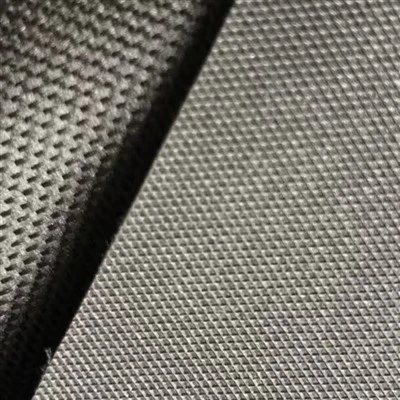
We work with clients of all sizes, from individual makers to large industrial operations, and we can help you pick the right reflective fabric for your specific needs. Whether you need samples to test for a new line of workwear, custom-cut fabric for a project, or just advice on placement and care, we’re here to help. To learn more about how our reflective fabric can work for you and to discuss your project, get in touch with our team.
Poncho Fabric References
American National Standards Institute (ANSI)/International Safety Equipment Association (ISEA) 107:2020, High-Visibility Safety Apparel and Headwear
Occupational Safety and Health Administration (OSHA), 29 CFR 1910.132, Personal Protective Equipment
Retroreflective Materials: Properties, Measurements, and Applications, SPIE Press, 2018
Wujiang Jiashunxin Spray Weaving Co., Ltd.
As one of the most professional reflective fabric manufacturers and suppliers in China, we’re featured by quality products and good service. We warmly welcome you to wholesale bulk customized reflective fabric from our factory. If you have any enquiry about free sample, please feel free to email us.
Address: Xingli New Village, Lili Town, Wujiang District, Suzhou City, Jiangsu Province
E-mail: xuzhiqiang20260525@163.com
WebSite: https://www.shunbangfabric.com/
