As a supplier specializing in 2/2 twill weave fabrics, I’ve had the privilege of delving deep into the technical aspects of this fabric type. One of the crucial factors that influence the market appeal and performance of our products is pilling. In this blog, I will share insights into the pilling characteristics of 2/2 twill weave, which I hope will be beneficial for both industry insiders and potential customers. 2 2 Twill Weave
Understanding 2/2 Twill Weave
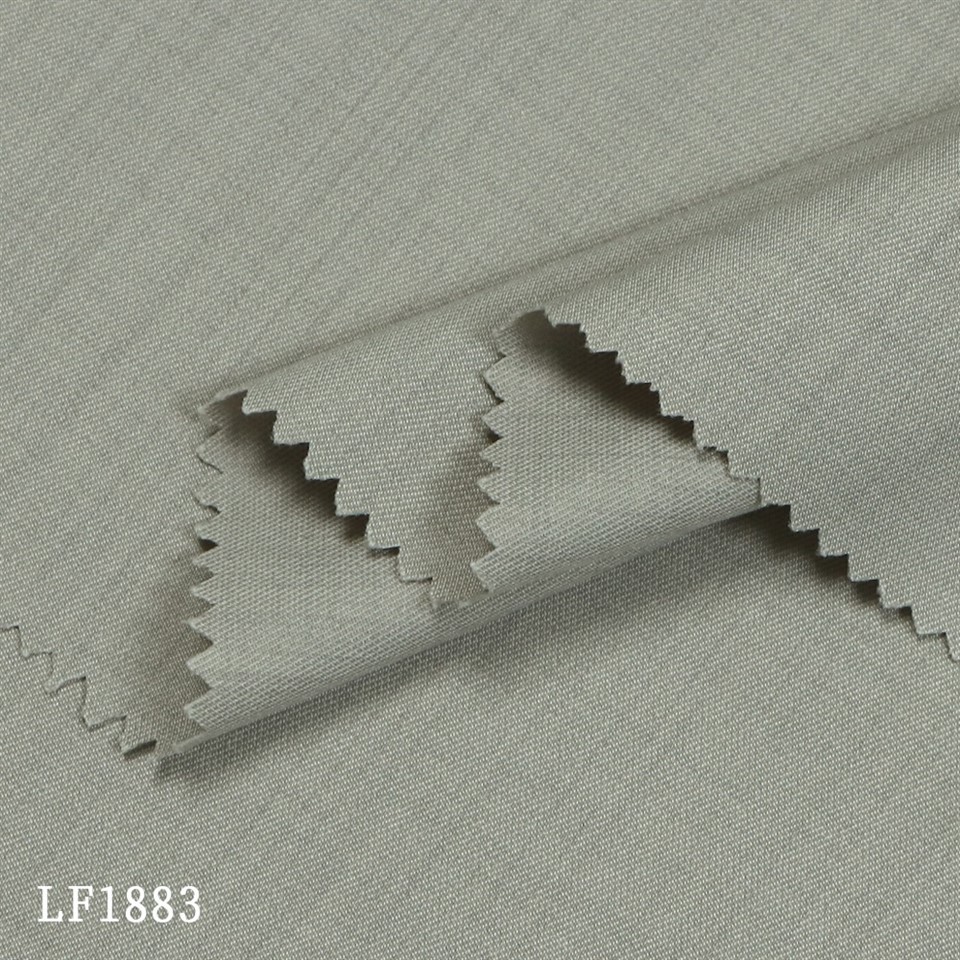
Before discussing pilling, let’s briefly review the nature of 2/2 twill weave. The 2/2 twill weave is a type of fabric construction where the warp and weft yarns interlace in a pattern that creates a diagonal ribbing effect. In this weave, two warp yarns pass over two weft yarns, and then the pattern repeats. This structure gives the fabric a distinct appearance and certain mechanical properties.
Compared to plain weave fabrics, 2/2 twill weave offers better drape, more flexibility, and a more textured look. It is commonly used in a wide range of applications, including clothing (such as jackets, trousers, and shirts), upholstery, and industrial textiles.
Factors Affecting Pilling in 2/2 Twill Weave
Yarn Properties
The type and quality of yarn used in 2/2 twill weave play a significant role in pilling. Natural fibers like cotton, wool, and silk have different pilling tendencies. Cotton is generally less likely to pill compared to wool because cotton fibers are shorter and have a smoother surface. Wool, on the other hand, has a scaly surface and longer fibers, which can tangle and form pills more easily.
Synthetic fibers such as polyester, nylon, and acrylic also have their own pilling characteristics. Polyester is known for its durability and resistance to pilling, while nylon is strong but can be prone to pilling under certain conditions. Acrylic fibers often have a soft hand feel but may pill more readily than polyester.
The fineness of the yarn also matters. Finer yarns generally produce a smoother fabric surface, which can reduce the likelihood of pilling. Conversely, coarser yarns may have more protruding fibers that are more likely to form pills.
Weave Density
The density of the 2/2 twill weave affects pilling. A higher density fabric means that the yarns are packed more closely together. This can prevent the fibers from protruding to the surface and reduce the chances of pilling. However, a very high – density fabric may also restrict airflow and make the fabric less breathable.
On the other hand, a lower – density 2/2 twill weave fabric has more space between the yarns, allowing the fibers to move more freely. This increases the risk of fibers entangling and forming pills, especially when the fabric is subjected to friction.
Fabric Finish
The finishing processes applied to 2/2 twill weave fabrics can significantly impact pilling. Anti – pilling finishes are commonly used in the textile industry. These finishes can smooth the surface of the fabric, prevent fibers from protruding, and improve the fabric’s abrasion resistance.
For example, chemical treatments can be used to coat the fibers and make them more resistant to tangling. Enzyme treatments can also be applied to break down the protruding fibers on the fabric surface, reducing the potential for pilling.
Friction and Usage Conditions
The way the 2/2 twill weave fabric is used and the amount of friction it is exposed to have a direct impact on pilling. Fabrics used in high – friction applications, such as upholstery on frequently used chairs or workwear that is subjected to constant movement, are more likely to pill.
Washing and drying processes can also contribute to pilling. Aggressive washing cycles, high – speed tumble drying, and using harsh detergents can cause the fibers to loosen and form pills.
Pilling Patterns and Stages
Initial Fibre Protrusion
In the early stage of pilling, individual fibers start to protrude from the fabric surface. This is often due to the friction the fabric experiences during normal use. In 2/2 twill weave, the diagonal structure may allow some fibers to be more easily pulled out of the yarns, especially at the intersections of the warp and weft yarns.
Fibre Entanglement
As the fabric continues to be used and exposed to friction, the protruding fibers begin to entangle with each other. The scaly surface of some fibers, like wool, makes them more likely to catch and hold onto neighboring fibers. In the case of 2/2 twill weave, the movement of the relatively free – flowing fibers in the fabric structure can exacerbate this entanglement process.
Pill Formation
Once the fibers are entangled, they form small balls or pills on the fabric surface. These pills can vary in size and density depending on the fabric’s composition, weave density, and usage conditions. In 2/2 twill weave fabrics, pills may form more prominently along the diagonal ribs, as the fibers in these areas are more likely to be exposed to friction.
Pill Detachment
Over time, the pills may become loose and detached from the fabric surface. This can happen when the pills are mechanically removed during washing or rubbing against other surfaces. However, in some cases, the pills may remain attached to the fabric, affecting its appearance and feel.
Measuring and Evaluating Pilling
There are several standard methods for measuring and evaluating pilling in fabrics. One of the most commonly used methods is the Martindale abrasion and pilling tester. This machine subjects the fabric to a controlled amount of friction by rubbing it against a standard fabric or abrasive material.
After a specified number of rubbing cycles, the fabric’s pilling level is evaluated visually using a pilling rating scale. The scale typically ranges from 1 to 5, with 1 indicating severe pilling and 5 indicating no visible pilling.
Another method is the random tumble pilling tester. This machine tumbles the fabric sample with rubber or plastic balls for a set period, simulating the friction and movement the fabric may experience during normal use. The pilling level is then evaluated in a similar way to the Martindale test.
Strategies to Minimize Pilling in 2/2 Twill Weave
Yarn Selection
Choosing the right yarn is crucial for minimizing pilling. For applications where pilling is a concern, we recommend using synthetic fibers with good anti – pilling properties, such as polyester or a polyester – blend. If natural fibers are preferred, fine – count cotton or treated wool can be used to reduce the risk of pilling.
Optimizing Weave Density
We can adjust the weave density of our 2/2 twill weave fabrics according to the specific requirements of the application. For products that will be exposed to high friction, a higher – density weave can be used to prevent fiber protrusion and reduce pilling.
Applying Anti – Pilling Finishes
Our company offers a range of anti – pilling finishes for 2/2 twill weave fabrics. These finishes are carefully selected and applied to improve the fabric’s pilling resistance while maintaining its other properties, such as breathability and softness.
Providing Care Instructions
We also provide detailed care instructions to our customers to help them minimize pilling. This includes recommendations for gentle washing cycles, using mild detergents, and avoiding high – speed tumble drying.
Conclusion
In conclusion, the pilling characteristics of 2/2 twill weave are influenced by a variety of factors, including yarn properties, weave density, fabric finish, and usage conditions. As a supplier, we are committed to understanding these factors and using our knowledge to produce high – quality 2/2 twill weave fabrics with excellent pilling resistance.
Cotton Like Fabric If you are looking for 2/2 twill weave fabrics for your business, whether it’s for clothing, upholstery, or industrial applications, we are here to help. Our team of experts can work with you to select the right fabric based on your specific needs and requirements. We can offer customized solutions to ensure that the pilling characteristics of our fabrics meet your expectations. Contact us today to start a discussion about your procurement needs, and let’s work together to find the perfect 2/2 twill weave fabric for your project.
References
- Horrocks, A. R., & Anand, S. C. (Eds.). (2000). Handbook of technical textiles. Woodhead Publishing.
- Morton, W. E., & Hearle, J. W. S. (2008). Physical properties of textile fibres. Woodhead Publishing.
- Standard test methods for pilling resistance and other related surface changes of textile fabrics: ASTM D3512 – 15. (2015). ASTM International.
Shaoxing Huichao Textile Co., Ltd.
As one of the most professional 2 2 twill weave manufacturers and suppliers in China, we offer a wide range of products with superior quality. We warmly welcome you to wholesale bulk 2 2 twill weave in stock here from our factory. If you have any enquiry about cooperation, please feel free to email us.
Address: Shenyue International Build ing, Unit 1603-1605, Keqiao District, Shaoxing City, Zhejiang Province, China
E-mail: darrenzhong@huichaotextile.com
WebSite: https://www.huichaotextile.com/
