As a supplier of material antimicrobial agents, I’ve witnessed the growing demand for these products in various industries. The safety standards for material antimicrobial agents are of utmost importance, not only for the end – users’ health and safety but also for the reputation and legal compliance of our industry. Material Antimicrobial Agents
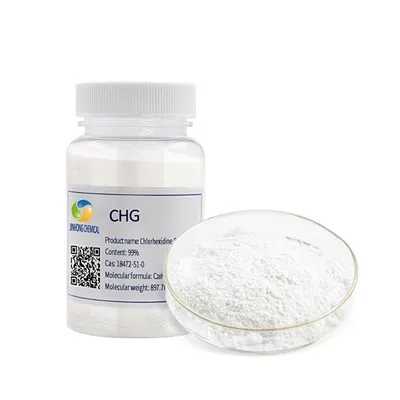
Understanding Antimicrobial Agents
Antimicrobial agents are substances that can destroy or inhibit the growth of microorganisms such as bacteria, fungi, and viruses. In materials, these agents are incorporated to prevent the growth of harmful microbes, which can cause unpleasant odors, discoloration, and even pose health risks.
There are different types of antimicrobial agents, including organic compounds, inorganic compounds, and natural substances. Organic antimicrobial agents, like quaternary ammonium compounds and triclosan, are widely used due to their broad – spectrum efficacy. Inorganic antimicrobial agents, such as silver – based compounds, are valued for their long – lasting antimicrobial activity and stability. Natural substances like essential oils and plant extracts are also emerging as alternatives due to their relatively low toxicity and environmental friendliness.
Global Safety Standards
United States
In the United States, the Environmental Protection Agency (EPA) plays a crucial role in regulating antimicrobial agents. Antimicrobial products are subject to the Federal Insecticide, Fungicide, and Rodenticide Act (FIFRA). The EPA requires that manufacturers demonstrate the safety and efficacy of their antimicrobial agents before they can be registered and sold in the market.
Manufacturers must conduct a series of tests, including acute toxicity tests, sub – chronic toxicity tests, and environmental fate studies. Acute toxicity tests assess the immediate harmful effects of an agent when exposed to a high dose. Sub – chronic toxicity tests evaluate the long – term effects of repeated exposure over a relatively short period. Environmental fate studies are important to understand how the agent behaves in the environment, such as its persistence, mobility, and potential to bioaccumulate.
European Union
In the European Union, the regulatory framework for antimicrobial agents is governed by the Biocidal Products Regulation (BPR). The BPR aims to ensure a high level of protection for human health and the environment. It requires that all biocidal products, including material antimicrobial agents, be authorized before they can be placed on the market.
The authorization process involves a comprehensive risk assessment. This includes evaluating the active substances in the antimicrobial agents, as well as the formulation and the intended use of the product. The assessment considers factors such as toxicity to humans, animals, and the environment, as well as the effectiveness of the agent. For example, the dermal toxicity of an antimicrobial agent is carefully evaluated to ensure that it does not cause skin irritation or allergic reactions when in contact with human skin.
Asia
In Asia, different countries have their own regulatory systems. For example, in Japan, the Ministry of Health, Labour and Welfare, and the Ministry of the Environment are involved in regulating antimicrobial agents. Japan has strict requirements for the safety and efficacy of these agents, especially in products related to food contact materials and medical devices.
In China, the National Health Commission and the State Administration for Market Regulation are responsible for setting safety standards. China’s regulations focus on ensuring that antimicrobial agents used in consumer products do not pose risks to human health. For instance, in the case of antimicrobial agents used in textiles, there are limits on the migration of harmful substances to ensure that they do not come into contact with the human body during normal use.
Safety Considerations in the Manufacturing Process
Raw Material Selection
As a supplier, we pay great attention to the selection of raw materials for our antimicrobial agents. We source raw materials from reliable suppliers who can provide certificates of quality and safety. For example, when using silver – based antimicrobial agents, we ensure that the silver particles are of the appropriate size and purity. Smaller silver particles may have better antimicrobial activity, but they also have a higher potential for toxicity if not properly controlled.
We also avoid using raw materials that are known to be highly toxic or have a high environmental impact. For instance, some heavy metals like mercury and lead are strictly prohibited in our manufacturing process, even if they may have some antimicrobial properties.
Manufacturing Process Control
The manufacturing process of antimicrobial agents must be carefully controlled to ensure safety. We use advanced manufacturing technologies to ensure the uniformity and stability of our products. For example, in the synthesis of organic antimicrobial agents, we control the reaction conditions such as temperature, pressure, and reaction time to ensure that the final product has the desired chemical structure and properties.
We also implement strict quality control measures at every stage of the manufacturing process. This includes in – process testing to monitor the quality of intermediate products and final product testing to ensure that it meets all the safety and efficacy standards. For example, we test the antimicrobial activity of our products using standard microbiological methods and also analyze the content of impurities and harmful substances.
Safety in Application
Compatibility with Materials
When using antimicrobial agents in different materials, it is important to consider their compatibility. Antimicrobial agents should not cause any negative effects on the physical and chemical properties of the materials. For example, in plastics, some antimicrobial agents may cause discoloration or degradation of the plastic over time. As a supplier, we conduct extensive compatibility tests to ensure that our antimicrobial agents are suitable for a wide range of materials, including plastics, textiles, and coatings.
We provide technical support to our customers to help them select the most appropriate antimicrobial agent for their specific materials. For example, if a customer wants to use an antimicrobial agent in a high – temperature – resistant plastic, we can recommend a heat – stable antimicrobial agent that will not lose its efficacy or cause any damage to the plastic during the manufacturing process.
Human and Environmental Exposure
In the application of antimicrobial agents, we need to consider the potential exposure of humans and the environment. For products that are in direct contact with humans, such as medical devices and personal care products, the safety of the antimicrobial agent is of utmost importance. We ensure that our antimicrobial agents used in these products have low toxicity and do not cause any adverse health effects.
In terms of environmental exposure, we strive to develop environmentally friendly antimicrobial agents. For example, some of our natural – based antimicrobial agents are biodegradable, which means they can be broken down by natural processes in the environment without causing long – term pollution.
The Importance of Meeting Safety Standards
Meeting safety standards is not only a legal requirement but also a moral obligation. For our company, it is essential for building trust with our customers. When customers know that our antimicrobial agents meet all the safety standards, they are more likely to choose our products.
Moreover, meeting safety standards can also help us expand our market. In today’s globalized world, our products need to comply with the safety regulations of different countries. By ensuring that our products meet the highest safety standards, we can enter new markets and increase our market share.
Contact for Purchase and Discussion
Polyhexamethylene Guanidine If you are interested in our material antimicrobial agents, we welcome you to contact us for further discussion. We have a professional team that can provide you with detailed information about our products, including their safety features, efficacy, and application methods. We can also offer customized solutions based on your specific needs. Whether you are in the plastics industry, textile industry, or any other industry that requires antimicrobial agents, we are confident that we can provide you with high – quality products that meet all the safety standards. Let’s work together to create a safer and more hygienic environment with our reliable material antimicrobial agents.
References
- Federal Insecticide, Fungicide, and Rodenticide Act (FIFRA), United States Environmental Protection Agency.
- Biocidal Products Regulation (BPR), European Union.
- Regulations on Antimicrobial Agents in Japan, Ministry of Health, Labour and Welfare, and Ministry of the Environment.
- Regulations on Antimicrobial Agents in China, National Health Commission and State Administration for Market Regulation.
Hebei Jinhong Chemical Co., Ltd.
Hebei Jinhong Chemical Co., Ltd. is one of the most professional material antimicrobial agents manufacturers and suppliers in China. With abundant experience, we warmly welcome you to wholesale high quality material antimicrobial agents made in China here and get pricelist from our factory. For price consultation, contact us.
Address: North of Fazhan Road, East of Qingyuan Road, Nanbao Development Zone, Tangshan City, Hebei Province
E-mail: kevin@hbjhchemical.com
WebSite: https://www.hbjhchemical.com/
