Hey there, I’m Sam, and let’s cut to the chase—when I first started in the truck seatbelt game, I got so many calls from new truck owners, small fleet managers, even owner-operators who’d just bought their first used rig, asking the exact same question: Do all trucks come with seatbelts? Look, I get it—most of us jump into the driver’s seat, twist the key, and just hit the road without overthinking the basics, but trust me, this one’s a big deal. I’ve spent 8 years in this business, installing seatbelts, fielding complaints, and working with regulators, so I’ve got the real answers, not just the textbook stuff. Truck Seatbelt
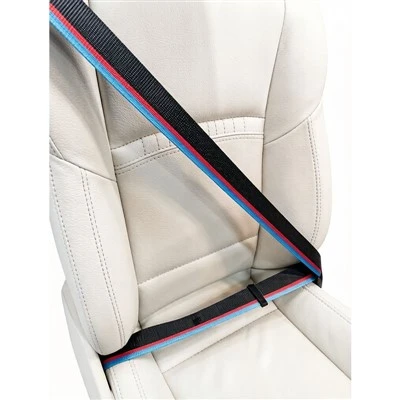
Let’s start with the easy part: new, modern trucks. If you bought or leased a truck made after, say, the early 2000s, odds are high it comes with at least a basic seatbelt setup, right? Wait, no—wait, not all new ones. Let’s get specific. Federal regulations (in the US, anyway) updated back in 2007, right? That’s when FMCSA—Federal Motor Carrier Safety Administration—mandated that all new commercial trucks with a gross vehicle weight rating (GVWR) over 10,000 lbs have driver and passenger seatbelts as standard equipment. Oh, and that rule applies to straight trucks, semi-trucks, box trucks, the whole shebang. But here’s the catch: that rule only covers new trucks built after that date. What about used ones? That’s where most of the confusion hits.
A friend of mine runs a small landscaping company, and last year he bought three used 2005 work trucks for his crew—total game-changer for hauling equipment, but when he took them out for their first DOT inspection, the guy flagged the seatbelts as “non-compliant.” Why? Because 2005 was right on the cusp of that FMCSA rule. Trucks built before 2007? No federal mandate requiring factory-installed seatbelts for commercial use. Wait, even worse—some older heavy-duty trucks, like 1990s semi-trucks, might have seatbelt mounting points, but not actual seatbelts. I’ve seen it first-hand; we get calls all the time from guys who’ve had their rigs for 10+ years, just assumed they had seatbelts, and find out they’re missing when they get pulled over.
Now, let’s talk about non-commercial trucks, because that’s another gray area. A lot of people ask about personal-use trucks—like the Ford F-150 someone uses for weekend camping, or the Chevy Silverado for hauling a trailer to a race track. Wait, even passenger trucks (light-duty, under 10,000 lbs) have different rules. NHTSA (National Highway Traffic Safety Administration) has required seatbelts in all passenger vehicles since the 1960s, so those are a no-brainer. But even here, exceptions exist. Like, some classic trucks—think 1950s and 1960s pickup trucks that people restore—might not have had seatbelts factory-installed, and some classic car enthusiasts leave them out to keep the truck’s original interior. Is that legal? Probably not if you’re driving it on public roads, but I’ve seen enough restored old rigs cruising around without them that I know it happens.
Here’s the thing most people don’t realize: even if your truck has seatbelts, they might not work. I can’t tell you how many times a guy brings his rig to our shop, says “I’ve got seatbelts,” and the first thing we check is the webbing. It’s frayed. The latch won’t click. The retractor is broken. Or even worse—someone took the seat out for a custom upgrade, and never reconnected the seatbelt. Last month, a local moving company’s driver came in panicking because his truck got into a fender bender, and his seatbelt didn’t deploy properly. No injuries, but his truck totaled, and he realized he hadn’t checked his seatbelts in 3 years. That’s the kind of thing that makes me grind my teeth—people treating seatbelts like afterthoughts, not life-saving gear.
Wait, let’s circle back to why I got into this business. A few years ago, I met a truck driver named Mike who’d been on the road for 12 years. He told me a story about a 2019 semi crash—another driver ran a red light, T-boned Mike’s rig, and because Mike’s seatbelt was intact, he walked away with a bruised shoulder, not broken ribs or worse. The other driver, who wasn’t wearing a seatbelt, spent 6 weeks in the hospital. That stuck with me. So many truckers see seatbelts as a hassle, something that digs into their shoulder on long hauls, but Mike’s story? That’s the reality.
Now, let’s get to the practical stuff, because you don’t just want to know “do all trucks come with seatbelts”—you want to know what to do if yours doesn’t, or if yours are garbage. First step: pull your truck’s VIN and check the build date. If it’s after 2007 (US commercial) or 1968 (US light-duty passenger), it almost definitely has factory seatbelts. If it’s before that, you’re in the gray area. Next, do a quick inspection: buckle and unbuckle each seatbelt, check for fraying, make sure the retractor pulls smoothly, no cracks in the plastic. If any of that’s off, don’t wait for a DOT inspection or a crash—get them fixed.
Here’s where we come in, by the way. I run a small team that specializes in truck seatbelts—we don’t do generic car belts, we build and fit ones specifically for big rigs, work trucks, dump trucks, whatever you’ve got. A lot of companies will tell you “one size fits all,” but that’s BS. Semi-truck seats are way bigger than pickup seats, and heavy-duty work trucks take way more abuse than a personal SUV. We source our belts from FMCSA-approved manufacturers, so you know they’ll pass any inspection. We also do retrofits—if you’ve got an older truck missing seatbelts, we can install them without modifying your seat or frame, no drilling required (unless you want it, but we keep it minimal).
Wait, I know some people are worried about cost. Let’s be real—truck seatbelts aren’t cheap, but they’re way cheaper than the fines, the medical bills, the stress of a crash. DOT non-compliance fines for commercial trucks can run you thousands of dollars, right? I’ve seen a fleet get flagged with 20 non-compliant seatbelts, and the fine was over $10,000. That’s more than enough to cover all the seatbelts for their whole fleet. And let’s not even talk about what happens if you get in a crash without a seatbelt. A lot of people think “I’m a safe driver, nothing will happen,” but truckers drive 100,000+ miles a year. Odds are high you’ll be in at least one fender bender over that time. Do you want to be the one flying into the dashboard because you skipped checking your seatbelt?
Also, I’ve dealt with a lot of owner-operators who say “my truck’s not a semi, it’s just a pickup I use for work.” Newsflash: even light-duty work trucks (GVWR under 10,000 lbs) have seatbelt requirements in most states, even if they’re not commercial. I’ve had guys get pulled over in their work pickups and get a ticket for no seatbelt in the back, or a broken seatbelt in the front. It’s not just a “big rig” issue—it’s every truck.
Let’s clear up a few common myths, too. Myth #1: All new trucks have seatbelts. No, as we talked about, new commercial trucks before 2007 don’t have to have them, and some new custom-build work trucks might skip them if they’re built for off-road use only (but even that’s changing). Myth #2: If my truck has seatbelt mounting points, it has seatbelts. Nope. I’ve seen trucks with mounting points that were never used, because the original owner skipped installing belts. Myth #3: Seatbelts are only for highway driving. No, 70% of truck crashes happen within 25 miles of home, on local roads. That’s when you’re moving slower, but still in a truck that weighs 10,000+ lbs—enough to cause serious injury if you hit something.
Wait, let’s talk about other countries, just in case someone reading this is outside the US. Rules vary a lot. In the EU, for example, all new commercial trucks have to have seatbelts since the early 2000s, and older trucks have to be retrofitted if they’re used for long-distance hauling. In Canada, similar to the US, FMCSA-equivalent rules mean new commercial trucks post-2007 have seatbelts, older ones are spotty. But I focus mostly on the North American market because that’s where our customers are, but I’ve worked with guys from Europe too, and the seatbelt conversation is almost the same—confusing, full of loopholes, and way too important to ignore.
I want to end this on a real note, not just sales talk. Last month, I had a guy named Jake come into our shop with a 1998 dump truck he uses for his side landscaping business. He’d just gotten a $1,200 ticket for missing a passenger seatbelt during a DOT check. He couldn’t afford another fine, so he was panicking. We installed two new FMCSA-approved seatbelts in an hour, and when he pulled out, he texted me an hour later saying “I already checked—both work, and I’m not gonna get another ticket.” That’s why we do this. It’s not just selling parts. It’s helping guys like Jake, and fleet managers, and owner-operators stay legal, and stay safe.
So, to circle back to the original question: Do all trucks come with seatbelts? The short answer is no. But that’s not a bad thing to stress about—you can fix it, and it’s way easier than you think. If you’re not sure about your truck’s seatbelts, don’t wait for a cop or a crash to tell you. Our team can help you inspect, retrofit, or replace seatbelts, no matter what kind of truck you’ve got—semi, work truck, pickup, whatever. We know how finicky big rig seats are, we know you don’t want to spend all day in a shop, and we know safety shouldn’t break the bank.
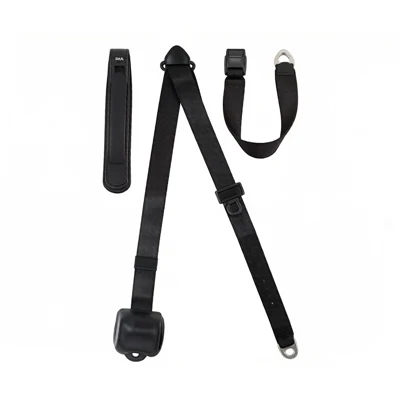
If you’re a fleet manager looking to get your whole crew compliant, or an owner-operator who needs a quick replacement, hit us up to chat. No pushy sales stuff, no weird fine print—just real advice for real truckers. We can answer any question you’ve got, help you find the right belts for your rig, and even give you tips for regular inspections to make sure everything stays in good shape.
GM Seatbelts References: Federal Motor Carrier Safety Administration (FMCSA), Commercial Motor Vehicle Safety Act of 1986; National Highway Traffic Safety Administration (NHTSA), Vehicle Safety Standards; Insurance Institute for Highway Safety (IIHS), Truck Safety Statistics.
Yangzhong Weian Mechanical and Electrical Co., Ltd.
As one of the most professional truck seatbelt manufacturers and suppliers in China, we’re featured by quality products and good service. Please rest assured to wholesale truck seatbelt in stock here and get quotation from our factory. Customized orders are welcome.
Address: Group 10, Xinhua Village, Xilaiqiao Town, Yangzhong City; West of The Bus Terminal On Yuanqu Avenue.
E-mail: hfsaml_2008@qq.com
WebSite: https://www.weianseatbelt.com/
