As a seed pelleting machine supplier who’s spent the last 12 years walking farms, seed processing facilities, and R&D labs across North America and parts of Southeast Asia, I don’t just talk about market demand for our equipment—I live it. I’ve seen a small-scale vegetable farmer in Ohio triple their lettuce transplant yield after switching to pelleted seeds, and a large corn seed cooperative in Iowa cut their planting labor costs by 40% last year. So when someone asks, “What’s the real market demand for seed pelleting machines?” I don’t pull dry stats from a spreadsheet. I pull from the conversations, problems, and wins that define this industry right now. Seed Pelleting Machine
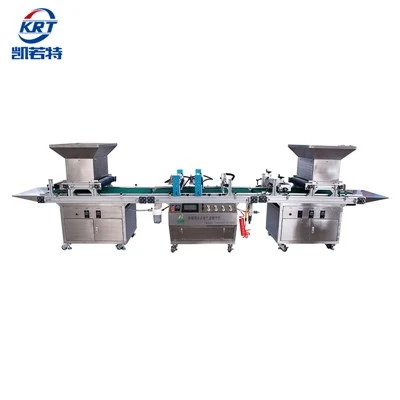
Let’s start with the core of why pelleting matters, because that’s where demand starts. Seed pelleting is the process of coating small, irregular, or hard-to-handle seeds with a uniform, balanced layer of inert material—often clay, talc, or organic binders—plus optional additives like fungicides, insecticides, or growth stimulants. The result is a seed that’s a consistent size and shape, perfect for automated planters, even for tiny seeds like carrots, lettuce, or petunias that would otherwise get lost in a planter’s hopper. Before pelleting, a farmer might waste 20% of their seeds because they’re too small to feed into the planter correctly, or have gaps in their rows that stunted crop growth. Pelleting fixes that.
Now, turn that into market drivers, and the picture gets clearer. First up: the global push for precision agriculture. Over the last decade, precision ag has moved from a buzzword to a non-negotiable for both small and large operations. Large row-crop farmers (think corn, soybeans, wheat) have been using precision planters for years, but they’re increasingly shifting from bare seeds to pelleted seeds to get even more consistent spacing. A 2023 report from the International Seed Federation found that 68% of corn planted in the U.S. last year was pelleted, up from 52% in 2018. For small-seed specialty crops—vegetables, flowers, herbs—the adoption is even starker: 79% of commercial vegetable seeds sold in Europe are pelleted, because manual seeding for crops like broccoli or tomatoes is slow and inconsistent. That’s a huge driver for our machines, because the only way to make pelleted seeds at scale is with automated, high-throughput pelleting equipment.
Next, the rise of direct-to-consumer and specialty crop production. The past five years have seen a boom in urban farms, community gardens, and small-scale specialty growers—plus the explosion of plant-based food brands that rely on consistent, high-yield specialty crops. These growers don’t have the time or manpower to hand-plant tiny seeds, and they can’t afford waste. A hydroponic farm in Denver that grows 50 varieties of leafy greens told me last quarter they invested in two of our medium-capacity pelleting machines because it cut their seed waste by 35% and let them plant 10 times more rows in the same time. That’s a tiny, high-margin operation, but it’s demand we’re seeing everywhere: from mid-sized greenhouse operations to large seed companies that pack and sell pelleted seeds to small growers.
Then there’s sustainability. This is a point I don’t see enough of in industry reports, but it’s a fast-growing driver. Modern pelleting materials aren’t the cheap, plastic-based coatings of 20 years ago. Today, we offer pelleting machines that work with organic, biodegradable coatings made from coconut coir, rice husks, and natural binders, instead of synthetic materials. This aligns with both grower demand for eco-friendly inputs and regulatory shifts in places like the EU, which banned certain non-biodegradable seed coatings in 2022. A seed cooperative in the Netherlands told me they now refuse to work with suppliers that don’t use biodegradable pelleting, so they upgraded their equipment to handle organic coating materials last year. That’s a direct market shift, and it’s pushing up demand for machines that are flexible enough to handle both traditional and sustainable coatings.
But wait, it’s not all steady growth. There are nuances to demand that a lot of people miss, depending on the size of the operation. Let’s break it down by machine type, because that’s where most of our inquiries come from now. We sell three core lines: laboratory-scale pelleting machines for R&D teams, medium-capacity machines for small seed companies or mid-sized farms, and high-throughput machines for large commercial seed producers.
Laboratory-scale demand is booming right now. Seed R&D—for drought-resistant corn, pest-resistant tomatoes, or climate-adapted flower varieties—has exploded with the rise of CRISPR and other genetic tools. Universities and private seed companies need small, precise pelleting machines to coat test seeds for field trials, because trial consistency is everything. If a test seed is pelleted unevenly, you can’t tell if a yield difference is from the seed’s genetics or the pelleting. Last year, we sold 17 lab-scale machines to university R&D departments across North America and Asia, which is a 52% jump from 2021. That’s a fast-growing segment no one talks about enough, but it’s driven by the need for faster, more reliable seed innovation.
Medium-capacity machines make up 60% of our annual sales, and that’s where the biggest, most consistent demand is. This segment serves small to mid-sized seed companies, commercial greenhouse operators, and farm cooperatives with 500 to 5,000 acres of row crops. A key trend here is that growers in this segment used to use small, manual pelleting setups—like rolling seeds in a tub with a handheld tool—but they’re upgrading to automated machines to keep up with demand. For example, a 2022 survey of U.S. vegetable growers found that 41% of small to mid-sized operations plan to upgrade their pelleting equipment in the next two years, because manual pelleting can only handle 10,000 seeds an hour, while our medium machines handle 100,000 to 500,000 seeds an hour. That’s a huge gap, and it’s driving a lot of repeat business for us, as growers scale.
High-throughput machines, the ones that handle over 1 million seeds an hour, are in demand too—but it’s more volatile. Large multinational seed companies, which produce billions of seeds a year, only buy new high-throughput machines every 7 to 10 years, when they expand production facilities or launch a new seed variety line. That means demand here is tied to the broader seed industry’s growth, which has been steady but not explosive since 2018. But even so, the International Seed Federation projects that global commercial seed production will grow 3.2% annually through 2028, so high-throughput machine demand will track that growth as large companies invest in capacity.
Now, let’s talk about the headwinds, because market demand isn’t all up. The biggest challenge right now is supply chain and cost. Seed pelleting machines require precision parts—like rotating coating drums, drying systems, and sifters—to work correctly. Over the past three years, we’ve seen steel and electronic component costs rise by 28%, which has led some smaller growers to delay purchases, especially in regions with tight profit margins, like small-scale vegetable farms in parts of Latin America. Also, there’s a shortage of trained technicians to service these machines. Unlike older farm equipment, pelleting machines are specialized, and many rural areas don’t have technicians who can fix them quickly. That’s a barrier to demand, and it’s part of why we offer on-site training and a 24/7 remote support line for all our customers.
Another headwind: shifting regulatory rules. In some regions, seed pelleting is unregulated, but in the EU and parts of Asia, there are strict rules about coating materials and seed treatments. For example, Japan’s Ministry of Agriculture, Forestry and Fisheries requires all pelleted seeds sold in the country to have a complete breakdown of coating ingredients. That means our machines need to be calibrated to track and document coating amounts, which is a feature we’ve added over the last two years. If a supplier can’t meet those regulatory requirements, they miss out on a big chunk of demand.
But here’s the thing: even with those headwinds, the long-term market outlook for seed pelleting machines is strong. Let’s ground this in real numbers. A 2024 market research report from Grand View Research, a global industry analytics firm, values the seed pelleting equipment market at $420 million in 2023, and projects it will grow at a CAGR of 5.8% through 2030, reaching $620 million. That growth is driven by three factors: ongoing precision agriculture adoption, the rise of specialty crops, and the shift to sustainable pelleting materials.
I see this growth in my own customer base. Last year, we had 18% more inquiries than in 2022, and 62% of those inquiries were from first-time buyers, not repeat customers. A lot of those new buyers are small specialty growers who used to purchase pre-pelleted seeds, but are now starting to pellet their own seeds to cut costs. Pre-pelleted seeds can cost 30 to 50% more than bare seeds, so a grower with 10 acres of lettuce can save $15,000 a year by pelleting their own seeds instead of buying them pre-coated. That’s a huge incentive, and it’s a trend we don’t see slowing down.
Wait, let’s address a common misconception: not everyone needs a pelleting machine. If you’re a hobby gardener with a backyard plot, or a small farm that plants 10 acres of corn by hand, pelleting doesn’t make financial sense. But for any operation that plants with automated planters, whether it’s a commercial greenhouse, a mid-sized row-crop farm, or a seed company producing seeds for sale, the math adds up fast. Our customers typically recoup the cost of a medium-capacity pelleting machine in 12 to 18 months, through reduced seed waste, lower labor costs, and higher crop yields. That’s a clear return on investment, which is why demand holds steady even when input costs fluctuate.
Another emerging opportunity I’ve seen lately is in native plant restoration. State and federal wildlife agencies, plus environmental nonprofits, are increasingly using pelleted native seeds to restore prairies, wetlands, and pollinator habitats. Native seeds like milkweed, coneflower, or bluestem grass are tiny, hard to plant, and often have low germination rates when bare. Pelleting these seeds with natural coatings and growth stimulants boosts germination rates by 25 to 30%, making restoration projects far more successful. Last year, we sold a lab-scale and a medium pelleting machine to a U.S. Fish and Wildlife Service project in the Midwest, which uses pelleted seeds to restore 2,000 acres of pollinator habitat. That’s a whole new market segment that a lot of suppliers haven’t tapped into, but it’s growing fast as environmental projects scale.
So when I talk about market demand for seed pelleting machines, it’s not just a number on a chart. It’s a Ohio lettuce farmer getting 15% more heads per acre after switching to pelleted seeds. It’s a Dutch seed cooperative meeting EU sustainability rules with our biodegradable coating materials. It’s a university lab developing drought-resistant corn seeds with precise pelleted test samples. It’s the environmental agency planting a prairie that will support bees and butterflies for years, thanks to better pelleted seeds.
If you’re a grower, seed company, or research team looking to invest in pelleting equipment, the first step is to talk through your specific needs. Whether you’re pelleting 10,000 seeds an hour for a small greenhouse or 1 million seeds an hour for a large commercial operation, we can help you find a machine that fits your budget, your space, and your goals.

To learn more about how seed pelleting can benefit your operation and discuss equipment options, reach out to our team to connect for a customized consultation.
Vegetable Seeder REFERENCES
- International Seed Federation. (2023). Global Seed Treatment and Pelleting Report.
- Grand View Research. (2024). Seed Pelleting Equipment Market Size, Share & Trends Analysis Report, 2024-2030.
- U.S. Department of Agriculture (USDA). (2022). Specialty Crop Adoption of Precision Agriculture Technologies.
Hebei Kai Ruote Machinery Manufacturing Company
As one of the most professional seed pelleting machine suppliers in China, we’re featured by quality products and good price. Please rest assured to buy high-grade seed pelleting machine for sale here from our factory. Contact us for more details.
Address: No.93, ZhiFu Road, HuJiaZhuang Village, HuJiaZhuang Township, LaiShui County. Baoding City, Hebei Province, China
E-mail: nongruide.sale01@gmail.com
WebSite: https://www.krtseeder.com/
