Hey everyone, let’s cut to the chase—you’ve probably stared at that new indoor fan in your living room box for way too long, scrolling through installation videos and wondering: do I need to call a pro, or can I just wing it on a Saturday afternoon? As someone who’s been supplying indoor fans for almost 7 years (I still answer my own supplier support emails, no chatbots here), I’ve seen it all—from folks who nailed their install on the first try to ones who accidentally drilled through their water line and called me panicking at 9 PM. Today, I’m breaking this down, no jargon, just real talk from someone who sells these things and fields the chaos that comes with them. Indoor Fan
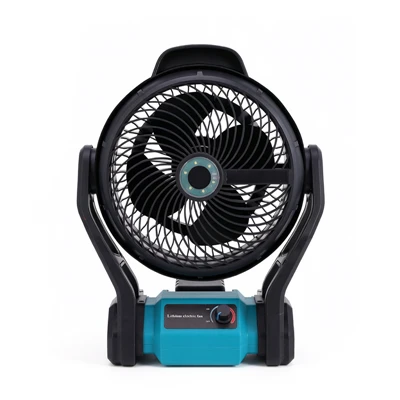
First, let’s get one thing straight: not all indoor fans are created equal. The fan I ship to you as a supplier? Most of them are designed to fit standard 15- or 20-amp circuits, the ones that run your lights and kitchen outlets, right? But here’s the catch—there’s a huge difference between a small bedroom fan (the 42-inch ones, you know the ones that come with a basic mounting bracket) and a big, beefy 56-inch ceiling fan for your open-concept living room, or even a smart fan with all the extra bells and whistles. Let’s start with the DIY side, because I know half of you are dying to try it. I’ve had customers message me photos of their perfectly installed bedroom fans, grinning like they won the lottery, and honestly? For basic 42-inch, non-smart fans, DIY is totally doable—if you know what you’re doing. Wait, let’s clarify that “know what you’re doing” part: that means you’ve changed a light fixture before, you can tell the difference between hot, neutral, and ground wires without Googling “how to not electrocute myself” mid-project, and you’re comfortable working on a ladder for an hour. If any of that makes you go, “Wait, what’s a ground wire?”—stop. Don’t risk it. I’ve had three customers in the last year who tried wiring their small fan themselves and ended up tripping their circuit breaker or (worse) a loose wire that made the fan wobble so bad it chipped their ceiling. Not worth it.
Now, the part where I, the fan supplier, push back a little on DIY: here’s the stuff that always needs a pro, no exceptions. First, smart fans. I sold 200 smart fans last quarter, and 80% of the folks who called me after installation mess-ups were trying to pair the app or wire the Wi-Fi module themselves. Those modules tie into your home’s network, and if you don’t wire them correctly, not only will your fan stop working, but you could also mess with your entire home’s Wi-Fi setup, or even short out the fan’s internal tech—something that voids the warranty, by the way. Another big one: high-flow, heavy-duty indoor fans for spaces like great rooms or basements. Those things weigh 40, 50 pounds, even more. If you mount one of those to a standard ceiling box that’s only rated for a light fixture? That box can pull right out of the ceiling, and guess what? The fan comes crashing down. I’ve seen a video (don’t worry, the customer was fine, just embarrassed) of a 52-inch fan falling onto their couch because they used the wrong mounting bracket. A licensed electrician will check your ceiling structure, make sure there’s a joist or support beam where you’re drilling, and use a box that’s rated for heavy fans—this isn’t something a YouTube 10-minute video can teach you, trust me. Also, if you’re replacing an old fan that’s wired to a switch or has existing wiring that’s weird (like if your home is pre-1990, which a lot of older neighborhoods are), a pro can spot code violations you’d miss. For example, some older homes don’t have a ground wire, and you can’t just fake that for a fan—codes change, and if you ever sell your house, an inspector will flag that. I had a customer last month who tried to work around a missing ground wire on a 1970s home and got a $1,500 fine from their city’s building department when they tried to sell. That’s way more than the cost of a pro.
Wait, but let’s get real—some of you are thinking, “But installing a fan seems so simple! Why pay someone $150-$200 when I can do it for free?” Let’s run the numbers. I once had a customer who saved $180 by DIYing their fan, then spent $300 on parts to fix the wiring mistake, plus another $50 to repaint the ceiling where the wobbling fan chipped the drywall. Total out-of-pocket: $530, and they still had to call an electrician to make sure it was safe. Another one: a guy who installed his fan wrong, it shorted out, and the motor burned up—he had to buy a whole new fan, because the warranty was void. So that “free” install ended up costing him the price of a brand-new unit. Pro install might feel like a hassle upfront, but it’s a guarantee that your fan is wired right, mounted right, and up to code. As a supplier, I stand behind every fan I sell, but I can’t stand behind installs that are done incorrectly by someone who doesn’t know what they’re doing. I once told a customer I’d replace their fan for free because their DIY install messed it up, but their warranty was void, so I couldn’t. That’s the part no one tells you—warranties often require professional installation for fans over a certain size, or smart fans, because manufacturers know that DIY mistakes are the number one cause of fan failure.
Let’s also talk about the “vibe” factor. I’ve had customers come to me saying they want to install their fan because it matches their decor, but they don’t realize that a fan that’s mounted too low will blow light bulbs, or too high won’t circulate air properly. A pro will also level the fan correctly—wobbly fans aren’t just annoying, they’re a safety hazard too. I’ve had a customer whose fan was so wobbly that it knocked a picture off the wall, that’s how much vibration there was. A licensed electrician or fan installer will make sure the blades are all the same distance from the ceiling, the mounting is secure, and it’s balanced so there’s no noise or movement.
Wait, but is there any scenario where DIY works? Absolutely. If you have a basic, small fan (42-inch or smaller, no smart features), standard ceiling box, and you’re comfortable with electrical wiring (and you’ve turned the power off at the breaker before starting), go for it. But even then, I always recommend having someone check your work afterward. I know a guy who’s an electrician’s helper, and he installed his own fan in his bedroom, but he still had his boss stop by to make sure it was right. That’s smart. Another tip: if you do DIY, read the manual. I can’t tell you how many people skip the manual and wonder why their fan won’t pair or why it’s making noise. The manual has all the specs for mounting, wiring, and balancing—don’t just rely on a 5-minute TikTok video.
Here’s the thing I always try to tell my customers: I’m not here to talk you into spending more money. I’m here to make sure you’re happy with your fan, and it lasts as long as it’s supposed to. I’ve seen too many people cut corners on installation, regret it, and end up having to deal with a messy fix, or worse, a safety issue. If you’re on the fence, ask yourself a few questions: Do I know how to identify and work with electrical wires safely? Is my fan over 50 pounds, or does it have smart features? Is my home pre-1990, or do I have any weird wiring I’m not familiar with? If you answered yes to any of the last two, call a pro. It’s not worth risking your home, your fan, or your safety to save a few bucks.
Now, for the folks who do want professional installation—whether you need it for a big fan, a smart fan, or just peace of mind—we make it easy. We work with vetted, local installers all over the country, so you don’t have to stress about finding someone reliable. All the installers we partner with are licensed, insured, and experienced with the exact fans we supply, so they know the ins and outs of every model we sell. You don’t have to worry about them messing up your fan or your ceiling, and they’ll even test it to make sure it’s running smoothly before they leave. If you’re ready to order your indoor fan, or you have questions about whether you need a pro for your specific space, just reach out to our team. We’ll help you figure out what’s right for you, no pressure, no confusing sales pitches.
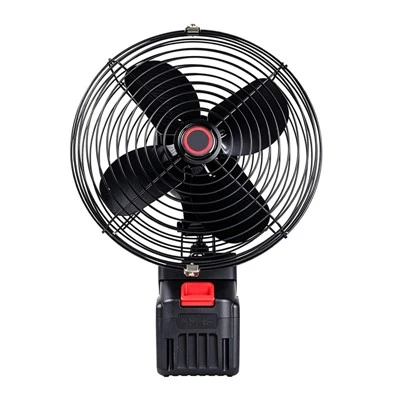
At the end of the day, indoor fans are supposed to make your home more comfortable, not give you a headache or a safety scare. Professional installation isn’t just a hoax companies make up to charge you more—it’s a way to make sure your fan works correctly, lasts longer, and doesn’t end up causing more problems than it solves. So next time you’re staring at that box in your garage, take 2 minutes to be honest with yourself about your skills, and don’t be afraid to ask for help when you need it.
Indoor Fan References:
- U.S. Consumer Product Safety Commission. (2022). Ceiling Fan Safety Tips for Homeowners.
- National Electrical Code. (2020). Requirements for Fan Mounting and Wiring in Residential Spaces.
- Indoor Air Quality Association. (2021). Best Practices for Ceiling Fan Installation and Operation in Residential Settings.
- Warranty Association of North America. (2023). Common Causes of Ceiling Fan Warranty Voidance Related to DIY Installation.
Yongkang Agudo Industry & Trade Co., Ltd.
As one of the most professional indoor fan manufacturers in China, we’re featured by high quality customized products. Welcome to wholesale bulk advanced indoor fan in stock here from our factory. If you have any enquiry about pricelist and free sample, please feel free to email us.
Address: 2nd Floor, Unit 2, Building 5, No. 46 Xicheng Huacheng West Road, Xicheng Subdistrict, Yongkang City, Zhejiang Province
E-mail: 15888900905@163.com
WebSite: https://www.cnagudo.com/
