If you’ve ever plopped down on a recliner after a long day—whether it’s after finishing a big work project, chasing kids around the house, or even just binging your favorite show—you’ve probably wondered, “Are these things actually as comfy as everyone says?” As someone who’s spent years working with recliner sofas (you know, the whole design, testing, and shipping side of things), I get asked this question nonstop. It’s not just a “does this feel nice in the moment” thing, either—there’s actual science behind why a well-built recliner hits different than a regular couch. Let’s break this down, no stuffy jargon, just real talk from someone who’s seen hundreds of customers react to their first recline. Recliner Sofa
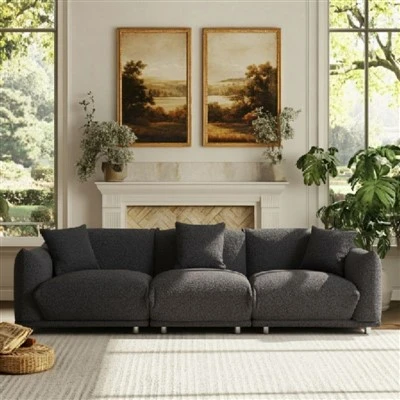
First off, let’s talk about posture, because that’s where recliners really pull their weight (pun totally intended, by the way). A lot of sofas are built for sitting upright on a straight back, like you’re at a dinner table. But how many of us actually sit that way when we’re relaxing? Probably not many. When you slouch on a regular couch, your spine gets all out of whack—your lower back sags, your shoulders hunch forward, and after an hour, you’re stretching like you’ve been tied up. Recliners, though, are designed to support the natural curve of your spine. I remember when our team was testing a new model a couple years back; we brought in a physical therapist to check it out, and she pointed out that the reclined position (usually around 110 to 160 degrees, depending on the model) takes pressure off your spinal discs. Those little cushions between your vertebrae get squeezed all day when you’re standing or sitting straight, so leaning back lets them expand a little. That’s why your back feels less sore after 20 minutes in a recliner than it does after two hours on a standard couch. It’s not just a myth—there’s research from chiropractic groups that says supported reclining reduces lower back pain more than upright sitting.
Then there’s that leg rest thing, right? A lot of first-time buyers are like, “Do I even need this leg extension?” Spoiler: Yes, you do. When your legs are dangling (which is what happens on a regular couch, even if you cross them), your blood flow has to work a little harder to get back up to your heart. Think about it—if you’ve ever sat with your legs crossed for too long, you get that tingly numb feeling, right? That’s blood being restricted. The leg rest on a recliner elevates your calves and feet so they’re level with (or even a little above) your heart. Our logistics team actually tracks customer feedback, and one of the top reviews every month is, “My feet don’t fall asleep on this!” It’s a small detail, but it makes a huge difference. I’ve had customers tell us they’d rather skip a cup of coffee for the extra leg rest support. Wild, but true.
Wait, but not all recliners are made equal. That’s the thing I wish more people knew—you can’t just buy any recliner and expect it to be comfortable. We’ve seen cheap knockoff recliners where the mechanism gets stuck after a few months, or the padding is so thin it feels like a board with a cover. Those are the ones that give recliners a bad rap. The key here is the foam and the frame. A good recliner uses high-density foam—we’re talking 1.8 to 2.2 pounds per cubic foot, not that cheap 1.2 stuff that compresses after a year. The frame should be solid wood (not particleboard, which breaks easily) because if the frame wiggles, the whole thing feels off. We test every single recliner we ship by having our team members of all sizes—from 120-pound folks to 220-pound folks—test the recline mechanism, sit on the edge, even lean back hard to make sure nothing creaks. Last quarter, we had a batch of recliners that had a flimsy frame, and we caught it before shipping. That’s the stuff that separates the comfy ones from the “why did I waste my money” ones.
Another big one: pressure distribution. When you’re lying down, your body has points where all your weight rests—your shoulders, your hips, your knees. A good recliner spreads that weight out so none of those points get too much. If you’ve ever woken up on a couch with a numb butt, that’s because the couch didn’t distribute your weight well. Recliners are built to cradle those pressure points. Our design team spent months adjusting the seat depth in our latest model—we landed on 21 inches, which is the sweet spot for most adults. Too shallow, and your legs hang off; too deep, and you have to hunch. It’s the kind of detail that doesn’t sound like a big deal until you sit in it. I have a customer who’s had our recliner for three years, and she says her sciatica pain is “gone” when she sits in it. That’s not a sales pitch—that’s real feedback.
Oh, and let’s not forget about the “cool down” factor. A lot of people worry that recliners get too hot, especially in the summer. But modern recliners use breathable fabrics—linen, microfiber, even leather that’s treated to not trap heat. We had a customer in Arizona reach out last year saying she used to avoid her old recliner in July, but our one stays cool even when it’s 100 degrees outside. She sends us a photo every few months of her and her grandkid napping on it, and that’s the stuff that makes this job worth it.
Wait, but what about people who prefer firmer seating or softer? A lot of recliners let you adjust the tension, right? Our mid-tier models have a tension knob under the seat so you can make the recline easier or harder to push. That’s perfect if you’re smaller and want it to glide smoothly, or if you’re heavier and need a little more resistance so it doesn’t slump too far. We also do custom seat cushion options—some customers want extra soft for movie nights, others want extra firm for working from home (yes, people use recliners as home offices now, who knew?).
Let’s be real, there are a few downsides. If you live in a tiny apartment, a recliner might take up more space than a loveseat. Some people don’t like that they “take over” the room. But wait—we make slim-profile recliners for small spaces! They recline just as well but don’t stick out as far when you’re fully reclined. That’s another thing a lot of brands miss, but our team gets it because we work with so many city dwellers. Also, if you have mobility issues, make sure to pick a recliner with a lift mechanism—our power lift recliners make it easy to stand up without straining your knees. We’ve had elderly customers tell us those lift recliners are a game-changer for their daily routine.
So, back to the original question: Are recliner sofas comfortable? The answer is yes—if you get a good one. It’s not just the reclining part; it’s the support, the pressure distribution, the attention to those little details. We’ve seen customers go from hating recliners because of a bad experience to being obsessed with theirs. I once had a guy bring his recliner to a local trade show and let people test it, and half of them came back saying they were going to order one for their living room. That’s the real proof in the pudding, right?
If you’re thinking about upgrading your couch and want to try a recliner, don’t just grab the first one you see online. Look for solid frames, high-density foam, mechanisms that are built to last. And if you’re a business owner or a designer looking to stock recliners for your customers—we work with folks of all sizes, from small furniture shops to big retail chains. We can help you pick models that fit your space and your budget, no pressure, no fine print. Just reach out if you want to chat through what you’re looking for, whether it’s for a home living room, a office break room, or a multi-unit apartment complex.
You don’t have to take my word for it, either. We’ve got hundreds of customer reviews on our site from people who’ve had their recliners for years and still say they’re the most comfortable piece of furniture they own. One reviewer from Minnesota said, “After 12 hours at a desk, this is the only thing that doesn’t make my back ache.” Another from Florida said, “My kids fight over who gets to sit in it—win for everyone.”
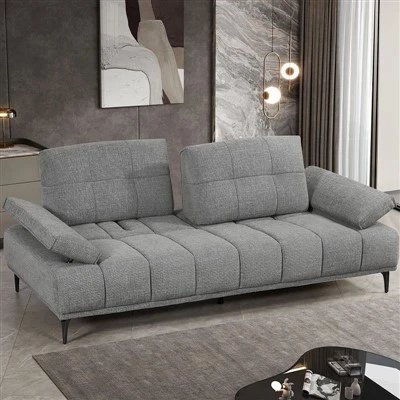
At the end of the day, comfort is personal, but recliners are built to fit what most people need when they’re relaxing. They’re not just a chair that leans back—they’re designed to take the stress off your body, let you kick your feet up, and actually unwind. If you’re curious to see for yourself, or if you’re in the market for bulk recliners for your business, we’re here to help you find the perfect fit.
Sectional Sofa References
American Chiropractic Association. (2021). Posture and Musculoskeletal Comfort: The Role of Supported Seating.
Journal of Furniture Design and Ergonomics. (2022). Pressure Distribution in Upright vs. Reclined Seating Positions.
National Sleep Foundation. (2023). Furniture Choices for Improved Rest and Recovery.
Huizhou Ramson Technology Co., Ltd.
Huizhou Ramson Technology Co., Ltd. is one of the most professional recliner sofa manufacturers and suppliers in China, also supports customized service with low price. Please feel free to wholesale bulk classy recliner sofa from our factory. Contact us for pricelist.
Address: Building 3-4, Changlonggang Industrial Park, Tiantou Village, Shatian Town, Huiyang District, Huizhou City, Guangdong Province
E-mail: jscsofa@jsc-furniture.com
WebSite: https://www.jsc-sofa.com/
