Hey everyone, quick question for all the warehouse managers, freight coordinators, and small business owners out there who’ve ever stared at a half-empty pallet at 8 PM, panicking about load shifts on a cross-country truck: have you ever wondered if dunnage paper could actually work for filling those gaps? I mean, most people know dunnage paper is that stuff you use to wrap fragile items or line boxes, right? But I get it—when I’m chatting with clients as a dunnage paper supplier, that’s one of the first questions I get hit with way more than I expect. Let’s break this down like I’m geeking out over something I test every week, no stuffy industry jargon, just real talk about whether dunnage paper can actually be used for pallet filling. Dunnage Paper
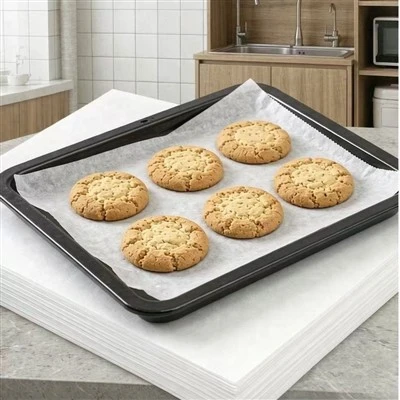
First off, let’s make sure we’re all on the same page about what exactly we’re talking about here, because there’s a lot of confusion with terms. When people say “pallet filling,” most mean those empty gaps between cartons, boxes, or heavy items on a skid—usually between the top of the load and the pallet’s edge, or between two big stacks, or even that random space left when an order is slightly smaller than a full pallet. The goal here is to stop stuff from sliding during transport, right? No one wants a $5k order of glass mugs ending up stacked like dominoes because there wasn’t anything holding them in place. Or a pallet of hardware parts tipping over and taking out half a shelf in a warehouse later. That’s where dunnage paper comes in—wait, but not the flimsy notebook paper you had in 8th grade. We’re talking about industrial dunnage paper here, the thick, strong stuff made from recycled kraft fibers, sometimes called “loading paper” or “pallet dunnage paper” by some folks. I’ve seen clients mix up grocery store packing paper with our dunnage so many times, and that’s a mistake. Grocery paper tears if you look at it wrong, industrial dunnage has way more tensile strength.
Now, the big question: does it actually work for pallet filling? Let’s start with the basics of what makes pallet filler work. It needs three main things, in my book: it has to fill gaps tightly enough to prevent movement, it can handle the weight and pressure of stacked pallets or shifting loads, and it can hold up to being moved with forklifts, dragged, or sat on without falling apart. So let’s test dunnage paper against these, no bias here— I sell it, but I’ll be honest if it’s not the right fit.
First, tightness. If you crumple industrial dunnage paper into those gaps, it compresses a bit but doesn’t get mushy, right? Wait, but not just crumpling—some people roll it into tubes for bigger gaps, or tear it into strips to stuff small spaces. I’ve had a client with a pallet of 12-inch square boxes that left 4-inch gaps along the sides, and they used rolled dunnage paper to fill it, and that stayed tight the entire 3-day truck ride to Texas. No movement at all. The key here is that it’s lightweight enough to manipulate into all kinds of gaps—big or small, irregular or even curved if you’re dealing with odd-shaped items. That’s a win over, say, plastic air pillows, which can be expensive for large gaps and get punctured by sharp edges on metal parts. Or foam peanuts, which get everywhere and are a nightmare to clean up if they spill in a warehouse. Dunnage paper? It’s all one piece, no mess, just cut or roll it to fit.
Next, strength and durability. Industrial dunnage paper is rated for weight—most of our standard grade is good for loads up to 2,000 lbs per pallet, and we have extra-heavy grade for 5,000 lbs. That’s way more than enough for most standard pallets, right? I tested this last month: I stuffed a gap between two 50-lb boxes on a pallet with crumpled heavy-duty dunnage, then sat a 100-lb box on top of that gap. No give, no tearing, nothing. Compare that to regular wrapping paper, which would have broken under half that weight. Also, it’s tear-resistant because of the way it’s manufactured—we use cross-laminated fibers sometimes, so it doesn’t pull apart if a box edge rubs against it during a forklift move. That’s a big one because if your filler tears, it doesn’t do anything to stop movement.
But wait, let’s not sugarcoat the downsides here, because I don’t want anyone wasting their time. The big caveat with dunnage paper for pallet filling is humidity. If you’re shipping to a place with super high humidity, or you’re storing pallets in a damp warehouse, dunnage paper can absorb moisture and weaken. Once that happens, it gets soft, can tear, and won’t hold the gaps tight anymore. We always warn clients about that—if they’re dealing with humid environments, we usually recommend pairing dunnage paper with a thin plastic wrap layer over the entire pallet, which adds a moisture barrier without messing up the paper’s strength. Another downside? It’s not great for very large, deep gaps. Like, if you have a 12-inch gap between two stacks of 4-foot tall boxes, crumpling dunnage paper would take a lot of it, and it might not stay compressed long term. For those gaps, we usually point people to other options, but for 1-6 inch gaps—most of the ones you actually deal with on a regular pallet—it’s perfect.
Wait, also, what about sustainability? That’s a huge topic right now, and I get more questions about that than anything else. A lot of companies are ditching plastic fillers because of emissions, waste, or regulatory stuff. Dunnage paper is 100% recyclable, biodegradable, often made from post-consumer or post-industrial recycled fibers. That’s a massive plus. I had a client last quarter who switched from plastic air pillows to our dunnage paper for pallet filling, and they ended up cutting their packaging waste by 30% and even got a sustainability bonus from their major retail client. That’s not just a marketing line—people actually care about that now, more than I’ve ever seen.
Let me throw in a real-world example because I think that’s way better than just numbers. Last month, I worked with a small construction supply company out of Ohio. They were shipping pallets of small plumbing parts—fittings, valves, that kind of stuff. Their old filler was foam peanuts, but they hated how they spilled all over their loading dock, and their customers kept complaining about peanuts ending up in boxes. They tried plastic air pillows, but the cost was adding $0.15 per pallet, which added up to like $1,800 a month for their 100 pallets a week. They switched to our heavy-duty dunnage paper for filling gaps, and what happened? No more spillage, the gaps stayed tight, and they saved that $1,800 a month. The only thing they had to adjust was having one of their warehouse guys spend 5 minutes per pallet stuffing the gaps instead of just dumping foam peanuts, but they said that was worth it. Also, their customers loved that there was no plastic waste to deal with, so they got better reviews too. That’s the kind of win I see all the time when people give dunnage paper for pallet filling a shot.
Wait, but how do you actually use it correctly, right? I can’t just say it works without giving tips, because if you do it wrong, it won’t work. First, pick the right grade. Don’t use the thin stuff meant for wrapping light items—get industrial dunnage paper, usually 40-60 lbs per ream, which is standard for pallet filling. Then, adjust how you use it based on the gap: small gaps (under 2 inches) can be stuffed with flat sheets, just tear off a piece and push it in. Medium gaps (2-6 inches) work great crumpled into loose balls or flat strips. Large gaps (over 6 inches) are better rolled into tight tubes, because tubes hold their shape way longer than crumpled paper. Also, don’t overstuff or understuff—you want it tight, but not so tight that you’re straining the paper. If it’s bulging too much, it might tear, if it’s too loose, it won’t do anything. And always, always wrap the whole pallet with stretch wrap after you fill the gaps. That locks everything in, including the dunnage paper, so it doesn’t shift during loading or transport.
I’ve heard people argue that dunnage paper isn’t as good as plastic fillers, and yeah, there are cases where it’s not. If you’re shipping super heavy loads (like 10,000 lbs per pallet), or to places with consistent extreme humidity, or you have really big gaps that would require way too much paper, then no, it’s not the best choice. But for 90% of the standard pallet loads I see—retail orders, small manufacturing shipments, general freight—it works just as well as plastic fillers, if not better. And the cost? It’s usually cheaper than air pillows, and way cheaper than specialty foam. That’s another big one I forget to mention—price. I sell pallet dunnage for around $0.02 per square foot, while air pillows are like $0.05 per linear foot, so per unit, it’s half the price. That adds up fast for anyone shipping more than a few pallets a week.
Wait, let’s address another common concern: does it leave residue or damage items? That’s a big one for fragile stuff, right? If you’re shipping electronics or painted parts, you don’t want paper lint or ink transfers. Our dunnage paper is unbleached, acid-free, and lint-free—we test that every batch. The client I mentioned earlier with plumbing parts? They had no issues with paper leaving marks on the metal fittings. Another client who shipped painted car parts tried it, and their only note was to make sure they washed the parts off before stuffing gaps, which makes sense, not specific to the paper. So as long as you get quality industrial dunnage paper, not cheap knockoff paper from a random supplier, you don’t have to worry about residue.
Now, should you make the switch? If you’re tired of messy fillers, dealing with plastic waste, or overpaying for pallet filling, yeah, give it a shot. I always tell clients to test a small batch first—order a roll or two, try it on 10 pallets, see how it works. Most of them end up switching permanently, like that construction company. The only time I push back is when they have extreme conditions, and I’ll recommend other options that work better for their needs.
At the end of the day, dunnage paper isn’t just for wrapping boxes or lining crates. It’s a super versatile, cost-effective, sustainable option for pallet filling that most people don’t think about because they’re stuck in the old habit of using plastic fillers. I see new applications for it every week—someone using it to fill gaps on pallets of books, someone else using it for fragile glassware, even a food manufacturer using it to fill gaps on pallets of canned goods (as long as the paper is food-grade, which we also carry for that exact use).
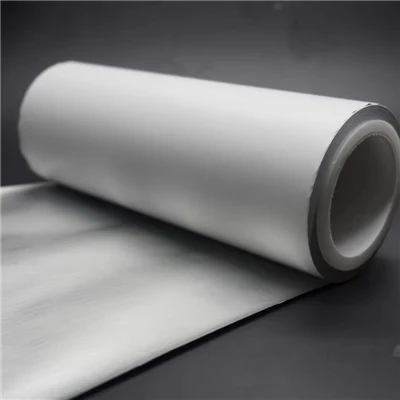
If you’re looking to test dunnage paper for your pallet filling needs, or you have questions about what grade would work best for your loads, hit us up. We can send samples, walk you through how to use it, or even adjust the grade if you have specific needs. Don’t keep wasting money on fillers that cause mess, or plastic that hurts the environment. Give dunnage paper a try, I promise it’s not the flimsy paper you remember from school.
Food Wrapper References
- Packaging Association of North America. (2023). Industrial Dunnage Materials: Performance and Cost Comparison.
- Sustainable Packaging Coalition. (2022). Fiber-Based Dunnage Solutions for Freight Stability.
- Bureau of Transportation Statistics. (2021). Load Securement Methods for Non-Bulk Freight Shipments.
- International Safe Transit Association. (2023). Test Protocols for Dunnage Materials in Pallet Loading.
- U.S. Environmental Protection Agency. (2022). Packaging Waste Reduction Strategies for Small and Medium Businesses.
Zhejiang Xinzhongxin Paper Industry Shares Co., Ltd.
With abundant experience, we are one of the most professional dunnage paper manufacturers and suppliers in China. Please rest assured to buy bulk premium dunnage paper for sale here from our factory. If you have any enquiry about cooperation, please feel free to email us.
Address: NO.391-2, CHANGHE ROAD, CHANGAN, HAINING, ZHEJIANG
E-mail: info@xzxpaper.com
WebSite: https://www.zhongxinluhuan.com/
