If you’ve ever spent two hours assembling a flat-pack bookshelf only to come back a week later and find it wobbly, one shelf sagging like a sad overripe tomato, you’re not alone. I’ve been in the furniture hardware business for 12 years, and that problem used to be the most common complaint we got from customers—from stay-at-home dads putting together their kid’s bunk beds to small furniture brands sourcing parts for their line of entry-level sofas. For the longest time, everyone blamed the wrong screwdriver or cheap screws. But once I started explaining lock washers, the lightbulb went off for most people. Today, I want to break down exactly what these little circular metal bits do, why they’re non-negotiable for furniture assembly, and why so many people still sleep on them. Lock Washers

First, let’s get one thing straight: lock washers aren’t the same as regular flat washers. I see this mistake all the time—customers will order a box of “washers” because their instruction sheet says to add washers, and they’ll grab the flat ones, completely missing the point. A flat washer just distributes pressure between a bolt and a surface, which is handy, but a lock washer has a totally different job: it stops fasteners from loosening when they get jostled or vibrated. Now, you might be thinking, “Furniture doesn’t vibrate that much, right?” Wait a second. Ever walked past your living room and heard your kid jumping on the couch? Or had a washing machine going in the next room, shaking the whole floor? Even the tiny, constant vibrations from a central heater kicking on can slowly turn a tight screw into a loose one, one micro-movement at a time. It’s called “self-loosening,” and it’s not just a myth—I’ve tested this hundreds of times in my warehouse.
Let’s do a quick little science lesson, the kind I learned when I started out because no one would explain it to me. When you tighten a screw or bolt, you’re stretching the threads slightly, creating what engineers call “clamp load.” That clamp load is what holds two pieces of wood, metal, or whatever material together tight. Without it, the joint is just sitting there, floppy. Now, when a joint vibrates, the two surfaces can shift even by a tiny fraction of a millimeter. That shift lets the screw turn backward, unwinding a little, and the clamp load drops. If that happens enough, the screw comes all the way loose, and the whole joint fails. A lock washer stops that shift in its tracks. The most common type we supply is split tooth lock washers, the ones with little notches cut into the ring that dig into both the screw head and the surface it’s pressing against. When the screw tries to turn backward, those notches catch, and they can’t move. It’s like putting a tiny, invisible brake on your fastener.
I remember a client a few years back who owned a small online furniture store. He was selling mid-tier dining tables, and every month he’d get a dozen returns because the table legs were wobbly after a month. He was using the cheapest flat washers he could find, just to hit his production cost target. We sat down and looked at his assembly process—his instruction sheets didn’t even mention washers, let alone lock washers. I brought a sample of our lock washers to his warehouse, and we tested one table with our washers and one without. We moved the table, shook it, even dropped a heavy box on the top to simulate what a customer would do after a few weeks. The table with lock washers stayed tight. The other one had one leg loose in 10 minutes. He switched all his production over to our lock washers, and his return rate for wobbly legs dropped by 90% that quarter. That’s when I realized how much of a gap there is in the market for educating people about these parts.
Another big misconception is that lock washers are only for heavy industrial equipment. That’s so not true for furniture. Think about all the places you use screws that get moved or jostled: bed frames, desk legs, patio furniture, even the hinges on your kitchen cabinets. I’ve had customers who assemble custom bookshelves for their homes tell me they skipped lock washers once, and six months later, they found a middle shelf sagging so bad it cracked, because one screw had come loose from all the daily pressure of books. It’s not just about loose joints—it’s about long-term integrity. A lock washer doesn’t just prevent immediate wobbliness; it extends the lifespan of the entire furniture piece by preserving that clamp load you get when you tighten the screw properly.
Wait, but let’s talk about a common argument I hear: “I use thread locker glue, and that works just as well.” Yeah, thread locker works, but it has its downsides. For one, once you use thread locker, you can’t take the screw apart easily if you need to move the furniture or fix something later. It’s a permanent bond. Lock washers are removable, they’re reusable if you take them off carefully, and they don’t have any chemicals that can stain wood or leave a residue. For furniture, which people often want to rearrange, move when they move apartments, or repair down the line, that’s a huge plus. And thread locker can fail over time too, especially if it’s exposed to heat or humidity, which is why patio furniture or bathroom vanities need something more reliable than just glue.
Let’s get into the practical side of using them, because it’s not just slapping them on any old way. When you assemble furniture, you need to put the lock washer on before the screw or bolt, right? Wait, no—let me correct that: the split end of the lock washer should face the screw head, or the surface? Actually, it’s best practice to have the notched side facing the softer surface, like wood, so the notches can dig in a little without scratching the wood too badly. Wait, but we make our lock washers with a smooth, rounded edge on one side and sharp notches on the other, so you can use them on both soft and hard surfaces. For wood furniture, notches facing the wood are fine, they’ll leave a tiny indent that’s barely noticeable, and it’s necessary to get a good grip. For metal furniture, you can face the notches toward the metal or the screw head, as long as they catch something solid to prevent rotation.
I also want to address something that comes up a lot with new customers: the size. Furniture assembly uses a range of screw sizes, from tiny M3 screws for cabinet hinges to larger M10 bolts for bed frame rails. Our inventory has lock washers sized for every common fastener used in furniture, so you don’t have to worry about ordering the wrong fit. Too big, and they won’t do anything; too small, and they’ll warp or not have enough surface area to catch. We test every size we supply to make sure they hold up to the torque levels used in standard furniture assembly—you don’t need fancy industrial-grade lock washers for flat-pack furniture, just ones that are made from durable carbon steel with a zinc coating to resist rust, which is exactly what we supply.
Let me share a recent example from a customer who built a custom outdoor seating set for his backyard. He tried assembling it once without lock washers, and after a week of wind and rain, the slats on the bench were loose, and the table legs were wobbly. He found us online, ordered our zinc-plated lock washers, and reassembled the whole set. A month later, he emailed me to say he’d leaned on the bench as he pulled weeds, and it didn’t move an inch. That’s the difference. People think furniture is just static, but outdoor furniture is exposed to constant vibration from wind, temperature changes that expand and contract the wood, even rain adding weight. A lock washer is the small part that makes all the other parts work together.
I’ve been in this industry long enough to see trends come and go. A few years ago, flat washers were all people cared about. Then thread lockers became popular. Now, more furniture brands and DIY assemblers are realizing that lock washers are the unsung hero of solid furniture assembly. It’s not a flashy part—you’ll never see a marketing ad for lock washers, or a furniture commercial highlighting “our premium lock washer fasteners”—but that’s exactly why they matter. They’re the quiet part that keeps your bookshelf from falling on your kid, keeps your dining table steady for holiday dinners, keeps your bed frame from squeaking when you roll over at night.
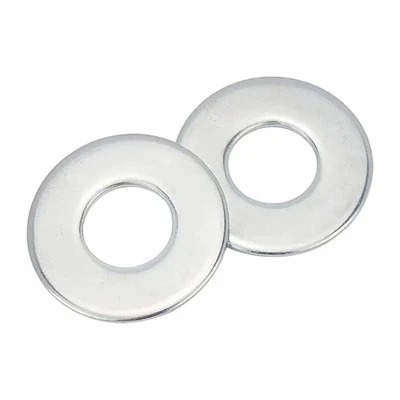
At the end of the day, furniture is only as strong as its weakest joint. A wobbly leg, a loose hinge, a sagging shelf isn’t a problem with the furniture design—it’s almost always a problem with the fasteners, or more specifically, not using the right hardware to keep those fasteners tight. I’ve spent 12 years talking to assembly lines, DIYers, furniture designers, and everyone in between, and the number one mistake I see is skipping the lock washer. It’s a tiny investment—pennies per washer—but it can make the difference between furniture that lasts five years and furniture that lasts 20.
Socket Head Cap Screws If you’re a furniture brand looking to reduce returns and improve customer satisfaction, or a DIYer tired of your flat-pack assembly falling apart, let’s talk. We supply lock washers in every size, material, and coating you need, from small batches for custom furniture runs to bulk orders for large manufacturers. We also provide detailed assembly guides for all our products, so you don’t have to guess where they go. Stop letting small, avoidable problems ruin your furniture, or your customer’s experience. Reach out, and we can help you find the right lock washer for your needs.
References
- Shigley, J. E., & Mischke, C. R. (2001). Standard Handbook of Machine Design. McGraw-Hill.
- VDI 2230: Systematic Calculation of High Duty Bolted Joints. Verein Deutscher Ingenieure.
- Furniture Manufacturers Association. (2022). Best Practices for Flat-Pack Assembly Hardware. FMA Technical Report Series.
- Tribology International. (2019). “Self-loosening behavior of threaded fasteners under vibratory conditions.” Vol. 137, pp. 496-505.
Handan Jihao Fastener Co., Ltd.
We’re known as one of the most professional lock washers manufacturers and suppliers in China. With abundant experience, we warmly welcome you to wholesale customized lock washers made in China here from our factory. If you have any enquiry about cooperation, please feel free to email us.
Address: A2, Row 31, Feiyu Screw World, Hebei Pu, Linmengguan Town, Yongnian District, Handan City, Hebei Province
E-mail: wenzhaona0@gmail.com
WebSite: https://www.chinaboltnut.com/
