If you’ve ever had a wisdom tooth extraction, you’ve probably wondered exactly what that whirring, precise tool is that your dentist uses during the procedure. As a dental drilling machine supplier who’s worked with clinics across North America for over a decade, I get that question all the time—and it’s one worth answering, especially when so many people associate dental drills with pain and confusion. Let’s break down what a dental drilling machine for wisdom teeth actually is, how it’s used, and why it’s a critical tool for safe, effective wisdom tooth extractions. Dental Drilling Machine

First, let’s start with the basics: wisdom teeth (or third molars) are the final set of teeth that typically erupt between the ages of 17 and 25. For many people, these teeth don’t have enough space to come in properly—a condition called impaction. Impacted wisdom teeth can grow sideways, get stuck under the gum, or even push against adjacent teeth, leading to pain, infection, decay, or gum disease. That’s where extraction becomes necessary, and that’s where a dental drilling machine comes into play.
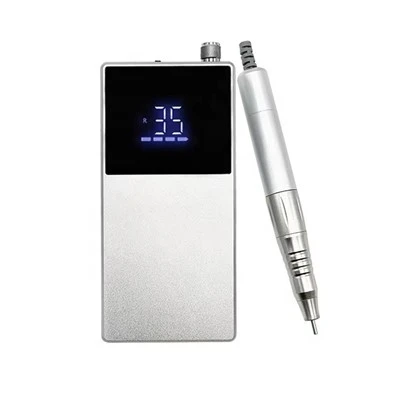
A dental drilling machine for wisdom teeth isn’t just a standard drill you’d see in a general dental cleaning. It’s a specialized, handheld device designed with small, sharp burrs (drill bits) that are made from high-grade steel or diamond-coated material to handle hard dental tissue like enamel and bone. Unlike old-fashioned drills that ran at high speeds and produced a lot of heat, modern versions include built-in cooling systems, usually a mix of water and air, to keep the area around the tooth and bone cool during use. That’s a key safety feature—too much heat can damage the gum, nerves, or bone, so the cooling system prevents that.
Let’s talk about how it works in a typical wisdom tooth extraction. When a wisdom tooth is impacted, the dentist can’t just pull it out like a fully erupted tooth. First, they’ll usually make a small incision in the gum tissue to access the tooth and the underlying bone. Then, the dental drilling machine is used to carefully remove a small portion of the bone that’s covering the impacted tooth. This is called bone removal, or “osteotomy.” The burrs on the drill are small enough to target only the necessary bone, so the dentist can work with precision without harming nearby healthy tissue. Sometimes, if the wisdom tooth is curved or split into roots, the drill may also be used to gently section the tooth into smaller pieces, making it easier to remove without damaging the adjacent molar.
I’ve seen a lot of misconceptions about these machines over the years. Some patients worry that the drill will cause a lot of pain, but modern dental drilling machines are designed for minimal discomfort. Before any drilling starts, the area is numbed with a local anesthetic, so patients won’t feel any sharp pain during the procedure. The drill’s high speed (usually between 20,000 and 80,000 rotations per minute) means it cuts through tissue quickly, which also reduces the time the patient is under anesthesia and the overall length of the procedure. The cooling system is also a big comfort factor—it helps reduce swelling and keeps the area from feeling irritated after the extraction.
Another point that’s important to mention: dental drilling machines for wisdom teeth have come a long way in terms of design and technology. Early models were bulkier and less precise, but today’s versions are compact, ergonomic, and easy to maneuver, which is crucial for dentists who need to work in the tight, hard-to-reach spaces of the back of the mouth. Some advanced models even have LED lights built into the handpiece to improve visibility during the procedure, so dentists can see exactly where they’re drilling, which reduces the risk of errors.
As a supplier, I work closely with oral surgeons and general dentists who perform wisdom tooth extractions, and one thing I’ve learned is that choosing the right dental drilling machine is about more than just the tool itself—it’s about matching the machine to the specific needs of the clinic and the procedures they perform. For example, a clinic that performs a lot of simple wisdom tooth extractions may prefer a mid-range model with basic but reliable cooling and burr options, while an oral surgery practice that does more complex impactions may need a high-end machine with interchangeable burrs and adjustable speed settings. We also supply a variety of burrs—different shapes and sizes for different types of bone and tooth tissue—because the right burr can make a huge difference in the ease and safety of the procedure.
I often get asked about maintenance for these machines, too. Just like any piece of medical equipment, a dental drilling machine needs regular care to work properly. That means cleaning the handpiece after every use, sterilizing it according to dental health guidelines, and checking the cooling system regularly to make sure it’s working correctly. A well-maintained machine is more precise, lasts longer, and reduces the risk of complications during extraction. For clinics that don’t have a dedicated maintenance team, we offer training and support to make sure their staff knows how to care for their equipment properly.
Let’s also touch on why this tool is so essential. Without a specialized dental drilling machine, extracting impacted wisdom teeth would be far more difficult and risky. Before modern drilling technology, dentists had to rely on more invasive methods, which meant longer recovery times, higher rates of complications like nerve damage, and more post-procedure pain. Today, with precise drills and cooling systems, most wisdom tooth extractions are same-day procedures with minimal downtime. Patients often report feeling only mild sornergy after the procedure, not the intense pain that was common in the past.
Of course, like any medical device, a dental drilling machine for wisdom teeth is only as good as the person using it. Dentists and oral surgeons have to receive training on how to use the machine correctly, including how to control the speed, how to choose the right burr, and how to avoid damaging nearby nerves or teeth. That’s why we also partner with dental schools and continuing education programs to provide training on modern drilling technology, so that professionals can feel confident using these tools safely and effectively.
Now, I know that many clinics are looking to upgrade their equipment, especially as demand for wisdom tooth extractions remains steady—wisdom tooth impaction is common, affecting about 60-70% of young adults in the U.S. alone. If you’re a dental clinic owner, oral surgeon, or dentist who needs a reliable, high-quality dental drilling machine for wisdom teeth, you don’t have to settle for a one-size-fits-all option. We offer a range of models to fit different budgets and practice needs, from portable units for small general practices to advanced, stationery models for busy oral surgery clinics. Our machines are tested for durability and precision, and we provide responsive customer support to help with any questions or issues that come up.
When you’re choosing a dental drilling machine, it’s important to look for features that matter: built-in cooling systems, ergonomic design, interchangeable burr options, and easy sterilization. Cheap, untested machines may seem like a good deal at first, but they can break down frequently, lead to longer procedure times, and even increase the risk of complications. Investing in a reliable machine isn’t just about saving money in the long run—it’s about providing the best possible care for your patients, which is what every dental professional wants.
I’ve been in this industry for over 10 years, and I’ve seen firsthand how a good dental drilling machine can make a difference for both dentists and patients. I’ve heard stories from dentists who tell us that their new drill cut their extraction times by half, and from patients who say their recovery was much easier because the procedure was more precise and less invasive. That’s why I’m passionate about supplying high-quality, trustworthy dental equipment—because it’s not just a tool; it’s a part of the care that patients receive.
If you’re interested in learning more about our dental drilling machines for wisdom teeth, or if you have questions about which model is right for your practice, I’d be happy to walk you through the options and help you find the best fit. We work with clinics of all sizes, from small local practices to large oral surgery centers, and we pride ourselves on building long-term relationships with our customers. Whether you’re looking to replace an old machine, upgrade your practice’s equipment, or start offering wisdom tooth extractions for the first time, we can provide the tools and support you need.
Don’t hesitate to reach out to discuss your needs and find a solution that works for you. When it comes to wisdom tooth extractions, having the right equipment can make all the difference in patient outcomes and practice efficiency. I’m here to help you make the best choice for your clinic.
Nail Dust Collector References
- Peterson, L. J., & Indresano, A. T. (2018). Principles of Oral and Maxillofacial Surgery. Elsevier.
- American Dental Association. (2021). Guidelines for Infection Control in Dental Health-Care Settings.
- White, S. C., & Pharoah, M. J. (2020). Oral Radiology: Principles and Interpretation. Mosby.
- Hupp, J. R., Ellis, E., & Tucker, M. R. (2019). Contemporary Oral and Maxillofacial Surgery. Elsevier.
- Dental Products Report. (2022). Modern Drilling Technology in Oral Surgery: Improving Patient Outcomes.
Yongkang Zorin Industry Technology Co., Ltd.
Yongkang Zorin Industry Technology Co., Ltd. is one of the most professional dental drilling machine manufacturers and suppliers in China, also supports customized service. Please feel free to buy bulk premium dental drilling machine in stock here and get quotation from our factory. For price consultation, contact us.
Address: No.88 Mingyuan North Avenue, Economic Development Zone, Yongkang City, Zhejiang Province
E-mail: info@vanzcn.com
WebSite: https://www.zorindrill.com/
