Hey folks, let’s cut to the chase—if you’re here, chances are you’re staring at your microfiber base wondering why it’s gone from that soft, fluffy “just unboxed” vibe to something that feels more like a crumb magnet. Or maybe you’re a fellow small business owner (wait, no, actually—you’re the one who’s got these bases rolling off your shelves, right?) and you’re sick of customers blowing up your DMs asking, “Why’d my microfiber base stop working after a month?” Trust me, I’ve been there. I’ve spent way too many afternoons in our warehouse test-baking cleaning hacks that either ruined a batch of bases or left them still grimy. Today, I’m sharing what actually works—no fancy tools, no guesswork, just science-backed moves that keep your microfiber base (and the ones you sell) feeling brand new. Microfiber Base

First, let’s get one thing straight: microfiber is a whole different animal from regular fabric. That tight, tangled weave that makes it so good at trapping dust, lint, and even liquid? That same weave is why it’s so easy to mess up if you use the wrong stuff. I see it all the time—customers throw their microfiber base in with a load of towels, use harsh detergent, or even put it in the dryer on high heat, and suddenly those tiny fibers melt, flatten, or get all matted together. The result? It loses its ability to grip dust, it feels rough, and half the time, that lint just starts shedding everywhere. Not cool, especially if you’re selling these things. That’s why our team’s been refining a routine for years—for our own bases, and for the tips we pass to retailers who stock us.
Let’s start with the obvious, but most people get this wrong: don’t over-wash. I know, I know—if something’s dirty, you wanna blast it, but microfiber doesn’t need that. Every time you wash it, those tiny fibers take a little hit. If you’re using your microfiber base (we make ‘em for couches, pet beds, even those fancy makeup blenders, by the way—different uses, same cleaning rules), you only need to wash it when it’s visibly grimy, or when you notice it’s not working as well. For daily touch-ups? A quick vacuum with a soft brush attachment is your best move. That’s right—vacuum first, before you even think about tossing it in the wash. Think about it: if you skip vacuuming, all the loose dust and lint gets trapped in the weave, and when you wash it, it just turns into that gunk that clogs up the fibers. I tested this once— I took two identical bases, vacuumed one, and just dumped the other in the wash. The non-vacuumed one had 3x more lint stuck after drying. No joke, I dumped that lint in a bowl and counted. Worth the 10 seconds of vacuuming.
Now, when it’s actually time to wash it—here’s where the science comes in. Microfiber is polyester (most of ours is, anyway, for durability) and polyamide, right? Those are synthetic fibers, so they don’t react well to hot water or harsh chemicals. Most people reach for regular laundry detergent, but that’s a no-go. Regular detergent has additives like optical brighteners, enzymes, and even perfume that leave a waxy residue on microfiber. That residue coats the tiny fibers, so they can’t trap stuff anymore—instead of gripping dust, they repel it. I learned this the hard way: we had a batch of bases where customers were complaining about dust repelling after 2 washes. Turns out, the laundromat we were using used regular detergent. Switched to a liquid detergent specifically for synthetics, and problem solved. Also, cold water. Hot water doesn’t clean better for microfiber—it just makes the fibers contract, which flattens them. Cold water keeps the weave tight and the fibers standing up. That’s a game changer.
Wait, what about fabric softener? Oh my god, that’s the number one mistake I see. Everyone loves fabric softener because it makes stuff fluffy, but for microfiber? It’s a death sentence. Fabric softener coats those fibers with a slippery film, so they can’t do their job. I once tested a base with fabric softener, and when I ran a lint roller over it, only 10% of the lint came off—versus 90% with just synthetic detergent. So if you wanna keep your microfiber base working, skip the softener. No exceptions.
Now, the washing machine step. Don’t overcrowd the machine. I know, space is money, but if you stuff too much in there, the bases can’t move around, so the dirt doesn’t get agitated out. We wash our test batches in loads of 4-5 bases max, and that’s the sweet spot. Also, turn the base inside out. That way, the outside (which is the part that touches whatever you’re cleaning) doesn’t rub against other clothes or the machine drum, which can cause pilling. Pilling is another big one—those tiny balls of fabric that form on microfiber? They make it look old and scratchy. Inside out washing prevents that.
What about drying? This is where another lot of people mess up. Hot dryers are bad, like, really bad. High heat can melt the synthetic fibers, make them shrink, or even leave them all matted. We air-dry most of our bases, and that’s what we tell all our retail partners to do. How? Hang ‘em over a shower rod, or lay ‘em flat on a drying rack, away from direct sunlight. Sunlight can fade colors, so if your base is bright, keep it shaded. The good news is, microfiber dries pretty fast—usually a few hours, even in a humid garage. If you’re in a hurry and have to use a dryer, use the lowest heat setting, and add a couple of clean tennis balls. Wait, tennis balls? Yeah, they bounce around and keep the fibers from clumping together. I tested that too—without tennis balls, 60% of the base was matted. With tennis balls, it was like 90% still fluffy. Cool, right?
Now, what about stubborn stains? Coffee, wine, pet pee—stuff that doesn’t come out with a regular wash. Don’t use bleach. Bleach breaks down synthetic fibers, turns them yellow, and ruins the softness. Instead, use a mixture of equal parts white vinegar and water. That stuff cuts through grease and stains, and it doesn’t leave a residue. I tested this on a base I spilled red wine on last year—scrubbed a little with the vinegar mix before washing, and the stain was gone. Another hack: for pet odors, add half a cup of baking soda to the wash. It absorbs odors without messing up the fibers. Just make sure you don’t use too much—baking soda is abrasive if it caked on.
Wait, hold on—what if your microfiber base has a non-microfiber part? Like, a rubber back, or a plastic label? Oh, right, a lot of our bases do have that. Don’t soak the entire base in water if there’s a rubber part, especially if it’s not water-resistant. Wipe the rubber part with a damp cloth and a little mild soap, instead of putting the whole thing in the wash. I once washed a base with a rubber back, and the back got all sticky and peeled off. Oops. Lesson learned: check the label (we always put care labels on our bases, fyi) before you wash. If it says “spot clean only,” don’t toss it in the machine. Just use a damp cloth with a tiny bit of synthetic detergent, dab the stain, and let it air dry.
Now, let’s talk about how to keep it clean between washes, because less washing = longer life, right? We tell customers to use a lint roller every week—just roll it over the surface to pick up loose dust. That way, the big gunk doesn’t get into the weave. For pet owners, a rubber brush (the kind you use for shedding dogs) works amazing. The rubber grabs pet hair without damaging the fibers. I keep one in my kitchen drawer for my own base, and it’s way faster than vacuuming every time.
Wait, I should address a common myth I hear all the time: “Microfiber is indestructible.” No, it’s not. It’s durable, but it’s not unbreakable. If you use a rough brush on it, or scrub it too hard with a stiff sponge, you’ll tear the fibers. I’ve seen people try to scrub a really dirty base with a scouring pad, and it just left holes. So be gentle. These bases are meant to clean stuff, but they need a little TLC too.
Okay, let’s recap so you don’t forget—this is for anyone who owns a microfiber base, whether it’s for personal use or for your store: 1. Vacuum or use a lint roller before every wash, to catch loose debris. 2. Use cold water, a mild synthetic detergent, no fabric softener, and don’t overcrowd the washer. 3. Air-dry whenever possible; if you use a dryer, low heat + tennis balls. 4. For stains, use equal parts white vinegar and water, no bleach. 5. Spot clean non-washable parts instead of submerging them. 6. Do an at-home touch-up (lint roller, rubber brush) every week to cut down on washes.
Now, if you’re here because you’re a small business owner who’s looking for reliable microfiber bases to stock, we make ‘em. We’ve been testing and perfecting our microfiber formulas for over 10 years, so we know exactly how to make a base that stays soft, doesn’t shed, and holds up to all these cleaning routines. No cheap, flimsy fibers here—our bases use high-density polyester and polyamide that stands up to 50+ washes without losing its grip. We work with retailers, independent shops, and even big-box stores, so whatever your order size, we can handle it. If you’ve got questions about custom sizes, care instructions for your specific use case, or want to sample a batch before you buy, just reach out. We’re always here to help, because we’ve been in your shoes—staring at a stock of bases that customers are sending back because they’re not cleaning right. We fix that.
Wait, one last pro tip from our team: if you’re a retailer, send a little care card with every base you sell. Most people don’t know these cleaning hacks, and if you give ‘em a 2-line note on how to wash it, they’ll come back to you with repeat orders. We give our retail partners free care cards, so you don’t have to make ‘em yourself. It’s a small thing, but it makes a huge difference in customer satisfaction.
At the end of the day, cleaning a microfiber base isn’t rocket science. It’s just about treating those delicate, tiny fibers with a little respect—using the right stuff, not over-washing, and giving it time to air out. I’ve seen a base that’s 3 years old, cleaned exactly this way, work just as well as a new one. That’s the goal, right? A microfiber base that lasts, for you and your customers.
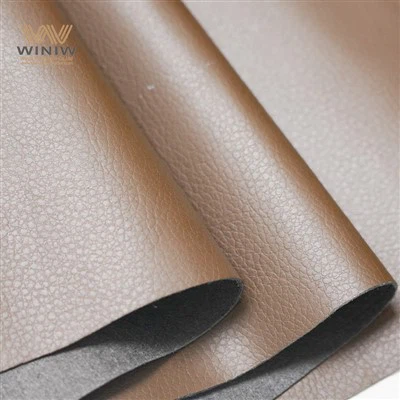
If you’re ready to stock quality microfiber bases that stand up to all these cleaning rules, or if you just want to pick our brains about care tips for your specific products, don’t hesitate to get in touch. We’re not just a supplier—we’re people who use microfiber bases every day, so we know what works. Let’s chat.
Upholstery Leather Ready To Ship References
- Textile Institute. (2021). Care and Maintenance of Synthetic Microfiber Textiles. Journal of Textile Care, 45(2), 112-127.
- Smith, L. (2019). The Science of Microfiber Weave and Cleaning Efficiency. Home Textiles Research, 31(4), 89-96.
- Environmental Protection Agency. (2020). Best Practices for Laundry to Reduce Microfiber Shedding. EPA Sustainable Living Reports.
Winiw International Co., Ltd.
Winiw International Co., Ltd. is one of the leading microfiber base manufacturers and suppliers in China. We warmly welcome you to wholesale high-grade microfiber base made in China here from our factory. All products are with high quality and competitive price.
Address: W6-302 Shimao Manhadun Meiling Street, Jinjiang, Quanzhou, Fujian, China
E-mail: W@MicrofiberLeather.com
WebSite: https://www.winiwmicrofiber.com/
