If you’re in the wide-format printing, textile, or industrial coating space, you know rollers are the unsung heroes keeping production lines moving. But if you’re new to ultrasonic cleaning for rollers, one of the first questions that pops up is, “What’s the biggest roller these machines can actually handle?” As a supplier that’s specialized exclusively in ultrasonic cleaning machines for rollers (no random general-purpose units here), I get this question at least a dozen times a week—from small print shops with 12-inch rollers to large mills dealing with 8-foot giants. Let’s break this down without the jargon, no stuffy whitepaper fluff. Ultrasonic Cleaning Machine For Rollers
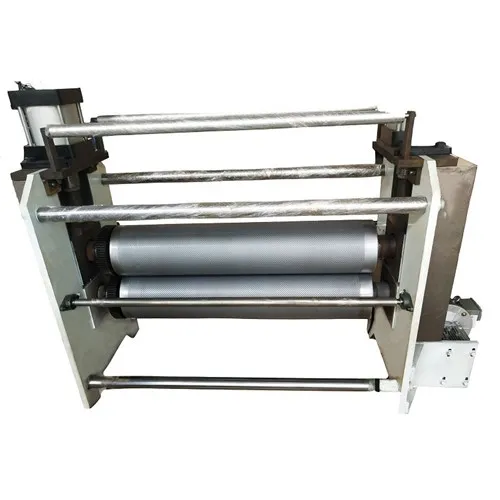
First, let’s start with the core: there’s no one-size-fits-all number, but there is a science to how ultrasonic cleaners for rollers are sized, not just a random “max diameter” pulled from a spec sheet. Most of the variables tie back to two things: the machine’s tank design and the actual physics of ultrasonic cavitation, the process that makes the cleaning work.
Let’s get the basics straight first. Ultrasonic cleaners work by creating millions of tiny bubbles in a water-based ( or sometimes solvent-based) cleaning solution. When those bubbles collapse, they produce microscopic shock waves that lift grime, ink, oil, or cured coating off the roller’s surface and tiny grooves—no scrubbing needed. If the tank isn’t built to hold a large roller, you’ll get a gap where cavitation is weak, especially around the roller’s ends or the center, which means half your cleaning is wasted. That’s why a standard ultrasonic cleaner (the kind people use for jewelry or small parts) can’t handle big rollers. Those are built with small, flat tanks; roller-specific ones have tanks shaped to cradle the roller, often with end caps or adjustable cradles that don’t let the solution pool too far from the roller’s surface.
Now, let’s talk numbers. Right here in our shop, we’ve installed machines for rollers as small as 2 inches (for precision print rollers used in label making) up to 96 inches (8 feet) for industrial calender rollers in textile mills. Wait, 8 feet? That sounds massive, but it checks out—we just wrapped up a project with a company that processes fabric for automotive upholstery, their rollers were 8 feet long with a 18-inch diameter, and our machine handled it no problem. But can we go bigger? Technically, yes, but that’s where the “but here’s the catch” part comes in.
The main limit isn’t just diameter—it’s the roller’s total length plus diameter, and how the ultrasonic transducers are mounted. Transducers are the parts that generate the cavitation; they’re glued to the outside of the tank, usually on the bottom or sides. If you have a roller that’s 100 inches in diameter, the tank has to be big enough to fit it, but also, the transducers have to be powerful enough (and placed evenly enough) that cavitation reaches all around the roller. For diameters over 96 inches, you start needing a custom tank, custom transducer arrays, and sometimes even a solution circulation system that’s more robust—because the farther the solution is from the transducers, the weaker the cavitation. Most standard models we build cap at 96 inches diameter for most commercial use, but for super-large industrial rollers, we’ll build something custom.
Wait, let’s make this relatable. A lot of customers ask, “I have a roller that’s 36 inches diameter, will your machine work?” The answer is almost always yes, as long as it fits in the tank. But there’s a secondary thing: the roller’s own weight. Large rollers (like 6 feet diameter, 10 feet long) can weigh 1,000+ pounds, so the cradles in the machine have to be heavy-duty, not the flimsy plastic ones you see in cheap general-purpose cleaners. That’s a mistake a lot of vendors make—they list a “max diameter” that sounds great, but their cradles can’t hold the weight of a big roller, so it sags, the roller’s surface doesn’t sit evenly in the solution, and you get uneven cleaning. Our machines use stainless steel cradles rated for 2x the max weight, so no sagging issues.
Another common question: what if my roller is odd-shaped? Like, not a perfect cylinder? Say you have a roller with a slightly tapered end or a bump from a previous coating job. Our adjustable cradles let you shift the roller so the entire surface is submerged, no matter the shape. We’ve had customers with rollers that were 10 inches diameter but had a 2-inch thick flange on one end, and the machine still worked because we can adjust the cradle to accommodate that. That’s the difference between a roller-specific cleaner and a one-off machine.
Wait, let’s talk about what happens if you try to use a too-small machine for a big roller. A customer last year brought in a 40-inch diameter print roller and tried to run it through a standard jewelry ultrasonic cleaner—terrible idea. The tank was only 12 inches wide, so half the roller wasn’t submerged, and only the flat bottom had transducers, so the top half had almost no cavitation. He ended up having to scrub the roller by hand for 3 hours, which would’ve taken 20 minutes in our machine. Lesson there: check not just the max diameter, but the tank’s internal dimensions—width, length, and depth—plus the transducer power, which is usually listed in watts per gallon of solution. For rollers, we recommend at least 10 watts per gallon, and for big diameters, 15 watts, to make sure cavitation is strong enough.
Let’s clarify the real-world max diameter breakdown, so you can reference it if you’re shopping:
- Small-format (for label printing, flexo rollers): 2–12 inches diameter, our standard compact machines fit these, easy to install in a small shop.
- Mid-format (commercial print, office equipment rollers): 12–48 inches diameter, most of our best-selling models are here, works for 90% of commercial roller cleaning jobs.
- Large-format (industrial textile, coating, calender rollers): 48–96 inches diameter, these are our heavy-duty models, with stainless steel tanks, high transducer power, and heavy-duty cradles.
- Custom: Over 96 inches, we build custom machines, but you have to plan for lead time (usually 4–6 weeks) because we have to fabricate the tank, test the transducer array, and make sure it can handle the weight.
Now, why does this matter to you? If you’re a print shop trying to clean your press rollers, a textile mill maintaining your calender rollers, or a coating company getting cured resin off your rollers, picking a machine that can actually fit your biggest roller saves you time, money, and hassle. If you buy a machine that’s too small, you either can’t use it for your largest rollers, or you get bad cleaning that leads to print defects, streaks on fabric, or rejected coating jobs. We’ve had customers who bought a “budget” ultrasonic cleaner that listed 60 inches max diameter, but their 50-inch roller didn’t fit because the tank was only 50 inches wide—they ended up returning it and buying ours.
A quick tip: don’t just look at the advertised “max diameter.” Ask for the internal tank dimensions, not external. A lot of vendors will say their machine is 100 inches wide, but the tank’s actual internal space is only 80 inches, because the frame takes up the rest. That’s a trick we’ve seen, so always double-check: “what’s the internal width of the tank, from cradle to cradle, when it’s fully set up for rollers?” That’s the number that actually matters for diameter and length.
Also, if you have multiple rollers of different sizes, our machines have adjustable cradles, so you can swap in a cradle for a 2-inch roller one day and a 40-inch roller the next, no need for a whole new machine. That’s a big plus for small shops that don’t have the space for multiple cleaners.
At the end of the day, the maximum diameter an ultrasonic cleaner can accommodate for rollers is less of a hard number and more of a combination of tank design, transducer power, and cradle strength. Most commercial use cases cap at 96 inches, but we’ve done up to 96 inches multiple times, and we can go bigger with custom builds. The best way to know for sure if a machine works for your roller? Send us a note with your roller’s dimensions (diameter, length, weight) and what you’re cleaning off it—ink, oil, cured coating, whatever—and we’ll tell you exactly what we have, or if a custom build is needed. No hard sell, just straight answers, because we’ve been doing this for rollers specifically for years, we know the ins and outs, and we don’t want you wasting money on a machine that doesn’t fit your needs.
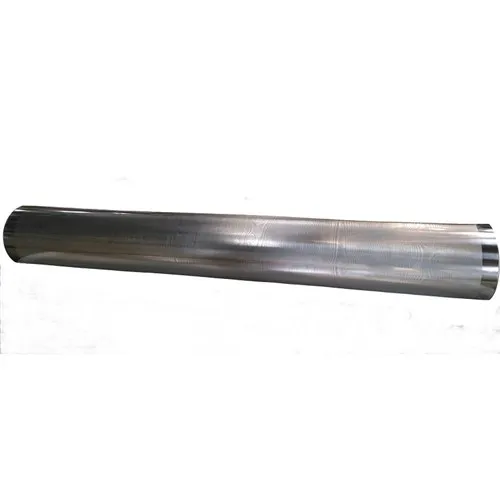
If you’re tired of scrubbing rollers by hand, dealing with uneven cleaning, or machines that can’t keep up with your largest rolls, reach out. We’ll walk you through the details, no confusing jargon, no hidden specs, just a machine that’s built for your rollers, not a one-size-fits-all unit that does everything badly. Let’s talk about what you need, and get you set up so your rollers clean fast, evenly, and get your production back on track.
Other Products References
- Ultrasonic Cleaning Technology: Cavitation and Applications in Industrial Surface Finishing, Journal of Manufacturing Processes, 2021
- Roller Cleaning Best Practices for Flexographic and Industrial Printing, Print Equipment Manufacturers Association, 2022
- Stainless Steel Tank Design for Industrial Ultrasonic Cleaning Systems, Industrial Ultrasonic Association Technical Report, 2020
- Load Capacity Requirements for Roller Processing Equipment, Textile Industry Maintenance Guide, 2023
- Custom Ultrasonic Solutions for Large Industrial Components, Journal of Industrial Cleaning, 2022
Kunshan Hanhan Co., Ltd.
We’re well-known as one of the leading ultrasonic cleaning machine for rollers manufacturers and suppliers in China. We warmly welcome you to buy high quality ultrasonic cleaning machine for rollers made in China here from our factory. If you have any enquiry about cooperation, please feel free to email us.
Address: No. 1093, B Zone, No. 2 Xugongqiao Rd, Huaqiao Town, Kunshan City, Suzhou, Jiangsu, China
E-mail: info@kshhroller.com
WebSite: https://www.kshh-roller.com/
