Introduction
As a supplier of screw chillers, I’ve witnessed firsthand the transformative impact these machines have on various industries. Screw chillers are a cornerstone of modern cooling systems, offering efficient and reliable temperature control for a wide range of applications. In this blog, I’ll delve into what screw chillers are, how they work, their advantages, and the diverse applications they serve. Screw Chillers
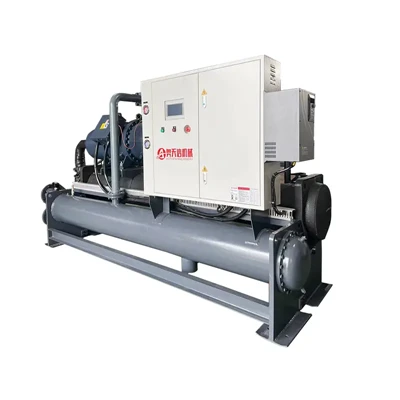
What are Screw Chillers?
Screw chillers are refrigeration systems designed to remove heat from a process or space and transfer it to the environment. They are called "screw" chillers because they use screw compressors to compress the refrigerant, which is the working fluid responsible for heat transfer. The screw compressor consists of two interlocking helical rotors that rotate in opposite directions, creating a continuous compression process.
How Screw Chillers Work
The operation of a screw chiller can be broken down into four main stages: compression, condensation, expansion, and evaporation.
- Compression: The low-pressure refrigerant vapor is drawn into the screw compressor. As the rotors rotate, the volume between the rotors decreases, compressing the refrigerant vapor to a higher pressure and temperature. This high-pressure, high-temperature vapor is then discharged from the compressor.
- Condensation: The high-pressure refrigerant vapor enters the condenser, where it releases heat to a cooling medium (usually water or air). As the refrigerant loses heat, it condenses into a high-pressure liquid.
- Expansion: The high-pressure liquid refrigerant passes through an expansion valve, which reduces its pressure and temperature. This causes the refrigerant to partially vaporize, creating a mixture of liquid and vapor at a low pressure.
- Evaporation: The low-pressure refrigerant mixture enters the evaporator, where it absorbs heat from the process or space being cooled. As the refrigerant absorbs heat, it evaporates back into a low-pressure vapor, completing the refrigeration cycle.
Advantages of Screw Chillers
Screw chillers offer several advantages over other types of refrigeration systems, making them a popular choice for many applications:
- High Efficiency: Screw compressors are known for their high efficiency, especially at part-load conditions. This means that screw chillers can provide significant energy savings compared to other types of chillers, reducing operating costs over time.
- Reliability: Screw compressors have fewer moving parts than other types of compressors, which reduces the risk of mechanical failure and extends the lifespan of the chiller. Additionally, screw chillers are designed to operate continuously, providing reliable cooling even in demanding applications.
- Flexibility: Screw chillers can be customized to meet the specific needs of different applications. They are available in a wide range of capacities, from small units for commercial applications to large industrial chillers. Additionally, screw chillers can be configured for air-cooled or water-cooled operation, depending on the available resources and environmental conditions.
- Low Noise Operation: Screw compressors operate quietly, making them suitable for applications where noise is a concern, such as hospitals, schools, and offices.
- Easy Maintenance: Screw chillers are relatively easy to maintain, with accessible components and simple diagnostic procedures. Regular maintenance can help ensure the long-term reliability and efficiency of the chiller.
Applications of Screw Chillers
Screw chillers are used in a wide range of applications across various industries, including:
- Commercial Buildings: Screw chillers are commonly used in commercial buildings, such as offices, hotels, shopping malls, and hospitals, to provide air conditioning and maintain comfortable indoor temperatures.
- Industrial Processes: Many industrial processes require precise temperature control to ensure product quality and efficiency. Screw chillers are used in industries such as plastics, chemical processing, food and beverage, and pharmaceutical manufacturing to cool process equipment, control reaction temperatures, and maintain product consistency.
- Data Centers: Data centers generate a large amount of heat due to the operation of servers and other electronic equipment. Screw chillers are used to remove this heat and maintain a stable temperature environment, preventing equipment overheating and ensuring reliable operation.
- Cold Storage Facilities: Screw chillers are used in cold storage facilities, such as warehouses and refrigerated trucks, to maintain low temperatures and preserve perishable goods.
- District Cooling Systems: District cooling systems are large-scale cooling networks that provide chilled water to multiple buildings or facilities. Screw chillers are often used as the primary cooling source in district cooling systems due to their high efficiency and reliability.
Choosing the Right Screw Chiller
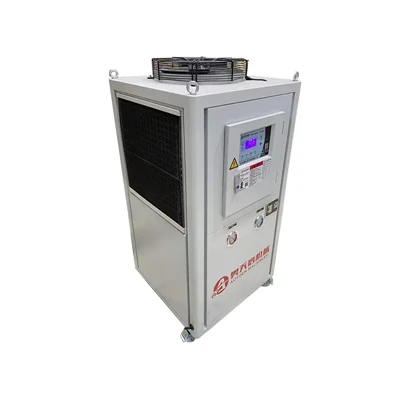
When choosing a screw chiller for your application, several factors need to be considered:
- Cooling Capacity: The cooling capacity of the chiller should be matched to the heat load of the application. This requires accurate calculations based on factors such as the size of the space, the number of people or equipment in the space, and the outdoor temperature.
- Energy Efficiency: Look for a chiller with a high energy efficiency rating, such as an Energy Star-certified model. This can help reduce operating costs and minimize the environmental impact of the chiller.
- Type of Cooling: Decide whether an air-cooled or water-cooled chiller is more suitable for your application. Air-cooled chillers are easier to install and require less maintenance, but they are less energy-efficient than water-cooled chillers. Water-cooled chillers are more energy-efficient, but they require a water source and a cooling tower, which can increase the initial installation cost.
- Noise Level: If noise is a concern, choose a chiller with a low noise level. Some manufacturers offer noise-reducing features, such as sound enclosures and vibration isolators.
- Maintenance Requirements: Consider the maintenance requirements of the chiller, including the frequency of filter changes, lubrication, and inspections. Choose a chiller that is easy to maintain and has a reliable service network.
Conclusion
Screw Chillers Screw chillers are a versatile and efficient solution for a wide range of cooling applications. Their high efficiency, reliability, flexibility, and low noise operation make them a popular choice for commercial, industrial, and institutional users. As a supplier of screw chillers, I’m committed to providing high-quality products and excellent customer service. If you’re in the market for a screw chiller, I encourage you to contact me to discuss your specific requirements and explore the options available. Together, we can find the perfect solution to meet your cooling needs.
References
- ASHRAE Handbook – Refrigeration
- Carrier, "Screw Chillers: A Technical Overview"
- Trane, "Understanding Screw Chillers"
- Daikin, "Screw Chiller Technology and Applications"
Kunshan Aotianxin Machinery Co., Ltd.
We’re well-known as one of the most reliable screw chillers manufacturers in China. With abundant experience, our factory offer high quality screw chillers made in China with low price. If you have any enquiry about quotation and free sample, please feel free to email us.
Address: 550 Shengguang Road, Bacheng Town, Kunshan City, Jiangsu Province
E-mail: 1516722561@qq.com
WebSite: https://www.atxks.com/
