If you’ve ever wandered past a public square after a heavy summer rain and seen a water screen flicker like a lazy, lopsided movie, or caught a crisp autumn breeze warp the way those glowing water jets curve mid-air, you know weather doesn’t just “mess with” water screens—it shapes them, down to the tiniest drop. As someone who’s been supplying water screens for cafes, resorts, and public events for over 8 years, I’ve spent countless mornings troubleshooting why a client’s brand projection screen looked blurry, or why their show timed out 20 minutes early, and nine times out of 10, it boiled down to one thing I can’t control: the weather. Let me break this down like I would to a new client who just got their first quote and is wondering why the fine print mentions “site-specific weather assessment.” Water Screen
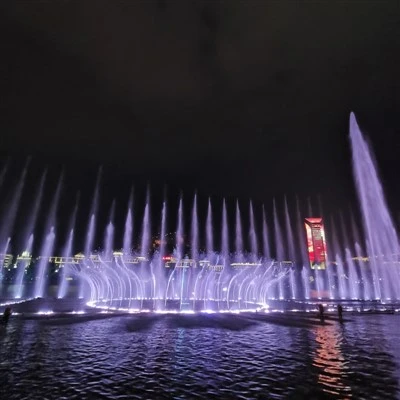
First off, let’s talk about humidity—this is the quietest, most underrated weather villain for water screens. I used to think humidity just made me sweat through my polo when I’m installing one, but nope, it’s a direct threat to the water’s ability to hold a shape. Here’s the science I’ve tested a million times: water is made of H2O molecules that stick together (surface tension, for those who slept through high school chemistry). Low humidity (think dry desert air or a winter day when the heater’s cranked inside a building) pulls that water apart fast, right after the jets leave the nozzle. On a 10% humidity day in Phoenix last year, I installed a screen at a mall, and within 15 minutes, the thin water sheet I’d calibrated to 0.5mm thick had turned into a fine mist before it even got 3 feet out. It couldn’t hold enough mass to project crisp text or images, so the client’s grand opening video looked like a blurry mess of pixels. High humidity is the other end of the spectrum: when it’s 90%+ and sticky, the water sheet actually absorbs extra moisture mid-flight, making it too thick and heavy. That leads to dripping, streaky lines, and wasted water—we had a resort in Florida that went through 200 extra gallons in one rainy, humid week last year, just because their screen couldn’t maintain the thin, uniform sheet we designed it for.
Then there’s wind, the uninvited guest at every outdoor event with a water screen. Wind isn’t just “a little breeze” here—we’re talking about speed and direction that can shift in seconds, and it changes everything. Let’s start with low-speed wind, like 5 to 10 mph: this isn’t enough to blow the screen apart, but it makes the water sheet curve sideways. If I calibrated a screen for a 10-foot wide projection at a resort, a light crosswind can make that projection stretch 2 feet to the side, so the image is cut off on one end. We once had a client in Austin who booked a band to play a concert, and their $5k promo projection screen was 3 feet too narrow on the left side because a random gust blew through mid-show. High-speed wind (anything over 15 mph) is a disaster waiting to happen. Last spring, we installed a screen at a community park, and a sudden 22 mph gust ripped the water sheet apart completely—turning it into a spray that soaked half the picnic area, and even knocked a small light fixture loose (luckily, no one got hurt). Wind also messes with the pump system that keeps the water moving: if wind blows into the intake valves, it can suck in air, which makes the jets sputter, leading to uneven pressure and a lopsided screen. I’ve had to cancel three events in two years because wind forecasts jumped from 10 mph to 20 mph an hour before set-up—no point in setting up a show that’s just going to blow away.
Temperature is next, and it’s not just about cold vs. hot—diurnal temperature shifts (the big swing between day and night, like 60°F at sunrise and 85°F at noon) are way more impactful. Let’s start with cold weather: if you’re installing a water screen in 30°F weather (or even 40°F, if there’s wind chill), the water can start freezing mid-journey. We had a client in Denver who wanted a holiday water screen in November, and we almost bailed on the project because the night temps dropped to 28°F. Even with anti-freeze additives (we use food-grade ones, no harsh chemicals), the fine water droplets at the edges of the screen would freeze and form tiny ice crystals, which made the projection look like it had a million tiny dots all over it. Worse, if the water sits in the pipes overnight, it can freeze and crack the pump—we had to replace a $1,200 pump for a client in Minneapolis a couple years back because they tried running the screen through a frost night without draining the lines. Hot weather, on the other hand, affects the pump’s performance: pumps run hotter when it’s 100°F outside, which can lower water pressure. If pressure drops, the screen gets thinner, and you lose that crisp projection. A beachfront bar in Miami learned that the hard way last summer—their screen was perfect at 10 a.m., but by 2 p.m., when the temp hit 102°F, the pressure dipped 20% and the projections were too faint to see.
Rain is the big one that people notice right away, but it’s not just “rain on a screen.” Light rain (less than 0.1 inches an hour) might not seem like a big deal, but it mixes with the water sheet, diluting it and making it less dense. That makes the projection dim, because light passes through a thinner, less concentrated sheet. Heavy rain? Forget it. Last year, a client in Seattle tried to run a wedding reception water show during a steady downpour, and within 10 minutes, the rain was beating so hard on the screen that the water sheet broke into individual streams—no projection, just streaky lines. But wait, there’s also the angle of the rain: if rain is falling at the same angle as the water jets, it can actually push the sheet off-kilter, making projections blurry. I once had a client complain that their birthday screen looked “weirdly tilted” during their backyard party, and it turned out a thunderstorm that passed through had rain falling at a 45-degree angle, warping the entire water sheet. That said, not all rain is bad—light mist can actually make projections look brighter for a short time, because the extra tiny water droplets scatter light a little. But you can’t rely on that; it’s a temporary, unpredictable bonus.
Now, let’s talk about how we work with this as suppliers, not just observers. We don’t just sell a water screen and walk away—we do a full weather assessment before every installation, even for indoor screens? Wait, indoor screens have their own weather issues! HVAC systems, for example, can blow air that messes with the water sheet. We had a client in a mall that complained their screen was always streaky, and it turned out the mall’s AC vent was pointed right at the screen, blowing a steady, invisible wind that warped the water. So even indoor weather matters. For outdoor installations, we check 72-hour weather forecasts, not just the day of—because wind and humidity can shift fast. We also build adjustments into the screens we sell: adjustable nozzle pressure, so we can tweak the thickness of the water sheet on the fly if humidity or wind changes. We add extra intake filters to keep debris out when it’s rainy, and we build freeze-drain systems for cold climates, so you can empty the pipes overnight without taking the screen apart.
I know what you’re thinking: “Can’t we just build a screen that ignores the weather?” Trust me, I wish. Weather is part of what makes water screens so magical, too. A little wind can make a water screen look dynamic, not static. A humid day can make projections glow. The problem is when weather throws your screen off enough to ruin a show, or waste a ton of water, or damage the equipment. For clients, that means budgeting for weather backups, like having a portable cover for the screen if wind is too high, or scheduling shows for times when weather is most stable (early morning or late evening, usually, when wind is lower and humidity is consistent).
Here’s the thing I tell every client who’s on the fence about getting a water screen: it’s not a set-it-and-forget-it toy. It’s a system that works with the environment, not against it. And that’s why having a supplier who actually knows how to navigate weather, not just install the screen, makes all the difference. If you’re looking to add a water screen to your cafe, resort, event space, or backyard, we can help you figure out the best setup for your location, walk you through how to adjust for daily weather shifts, and make sure your screen works as well on a windy day as it does on a perfect, calm night. No more blurry projections, no more wasted water, no more last-minute cancellations because the weather decided to act up. We’ll make it work for you, whatever the forecast throws at you.

If you’re ready to chat about a custom water screen, or just have questions about how weather will affect your specific space, hit us up. We’ll break it down simply, no jargon, no hidden fees, just straight talk about making your water screen work for your goals, not against the weather.
Musical Fountain References:
- Fluid Mechanics for Civil and Environmental Engineers, Second Edition (2019)
- International Association of Amusement Parks and Attractions (IAAPA) Outdoor Venue Technical Guidelines (2021)
- Water Quality and Treatment: A Handbook on Drinking Water, Seventh Edition (2022)
- National Oceanic and Atmospheric Administration (NOAA) Wind Effects on Water Features (2020)
Hebei Mingchuang Landscape Engineering Co., Ltd.
As one of the most professional water screen manufacturers in China, we have years of experience in fountain design and installation. Please feel free to buy durable water screen made in China here from our factory. Welcome to view our website for more information.
Address: Dongyangzhuang Village, Beidiantou Township, Tang County, Baoding City, Hebei Province
E-mail: 1094267503@qq.com
WebSite: https://www.mcfountains.com/
