When a customer messages me asking, “Do I need professional help to install a rain awning?” I don’t jump right into selling our awnings—first, I pull up the dozens of unboxing photos and quick-install clips we have from new homeowners who tried the job themselves, and the handful of calls we get a week later that start with “Okay, I messed up.” It’s not that DIY is impossible, but there’s a difference between tight, functional awning that keeps your deck dry for three years, and one that’s crooked, leaks at the seams, or blows away in the first light storm. As a rain awning supplier who’s spent the last eight years working with everything from tiny cottage patios to large suburban backyards, I want to break this down like I do with every customer who reaches out. Let’s start with what you should know before you grab your drill, then walk through when DIY makes sense, when it’s better to call a pro, and what that process looks like if you do decide to hire someone. Rain Awning

First, let’s talk about the basics of rain awning installation that most DIYers miss in the early planning stage. A rain awning isn’t just a piece of fabric or metal stretched between two brackets—its whole job is channeling water away, and that relies on a precise slope. If you’ve ever leaned against a rickety awning that pooled water until it sagged, you know exactly what I mean. Most DIYers don’t account for this slope until they’re halfway through drilling holes, and by then, it’s too late. Another big factor is the wall you’re mounting to. A wooden exterior wall is pretty straightforward, but a concrete or stucco wall? That’s a whole different animal. You can’t just drive a standard lag screw into concrete without the right anchors, and if you use the wrong ones, the awning won’t hold—and that’s not just an inconvenience. I’ve seen a 12-foot fabric awning tear free from a concrete wall during a summer thunderstorm, landing on a pickup truck and cracking its windshield. No one wants that on their checklist.
Now, let’s talk about when DIY install works. This is almost always for smaller awnings, say under 10 feet wide, on wooden exterior walls (the most common wall type for DIYers), and for people with basic home repair skills. I’m talking about someone who’s hung shelves, assembled outdoor furniture without missing parts, and can read a level correctly. If that’s you, and you’re installing a simple, stationary awning (not a retractable one—we’ll get to that), DIY can go really well. For example, last year a customer from Ohio bought our 8-foot fabric awning for his tiny patio, and sent us a photo of it installed perfectly. He told me he watched our 10-minute unboxing and installation video three times, took his time, and used a friend’s level to double-check the slope. His only tip? Don’t skip marking pilot holes before drilling, especially if you’re working in direct sun and your level line shifts as you move around. Another case: a retiree in Texas installed our metal frame awning over his back door by himself, and it’s held up for two years through strong winds and heavy rain. The key here is managing expectations. If you’re comfortable following clear, step-by-step instructions, have the right basic tools, and the job is small and straightforward, DIY is totally doable. But even then, there are caveats.
Where DIY install starts to get risky is when you move beyond those small, simple setups. Let’s start with retractable awnings, which are super popular right now for people who want flexibility. Retractable awnings have moving parts—gears, pull cords, sometimes motorized components—that need to align perfectly. If you misalign the brackets by even half an inch, the awning won’t extend evenly, or it will get stuck when you try to retract it. I had a customer last spring who tried to install a motorized retractable awning by himself; he said the instructions were “fine,” but by the third hour, he realized the main frame was twisted, and he couldn’t get the motor to turn on correctly. He ended up calling a local installer, who fixed his mess in 90 minutes and charged him half what he would have paid for a professional install upfront. Then there’s larger awnings, 12 feet or wider, which require two people at minimum to lift and align. I’ve heard too many stories of DIYers lifting a heavy metal awning alone, straining their back, and dropping it on their deck. Also, large awnings need more robust structural support—you can’t just use standard lag screws; you might need to add wall reinforcements, especially if your home is older or has thinner siding. That’s not something most DIYers learn about until they get to the part where their awning feels wobbly when they lean on it.
Another big factor most people don’t consider is local building codes and permits. I know, permits sound like a hassle, but they’re there for a reason. Some cities require permits for any exterior structure over a certain size, even a rain awning. If you install an awning without a permit, and it’s found to be improperly anchored (like if it blows away and damages property), your home insurance might deny your claim. Last year, a customer in Florida installed a 15-foot awning over his pool without checking local codes, and when it was flagged during a routine property inspection, he had to take it down and re-install it with proper reinforced brackets, doubling his costs. Professionals who install awnings know exactly what permits are required in your area—they’ll handle the paperwork, so you don’t have to research city websites or wait in line at the building department. That’s one less headache for you.
Now, let’s talk about when professional install is the right call, and what you can expect from the process if you go that route. First, if you’re feeling any doubt at all during the planning stage—if you’re not sure about your wall type, if the awning is over 10 feet, if it’s retractable, or if you’ve never done any home repair that involves drilling into exterior walls—call a pro. The peace of mind alone is worth it. A good awning installer will start with a site visit. They’ll measure your wall, check the framing behind the siding to make sure you’re not drilling into empty space, discuss the slope to ensure water runs away from your home’s foundation (this is critical—too flat, and water pools on the awning; too steep, and it’s unstable in wind), and ask about your specific needs: do you want it over your patio, your back door, or a side window? They’ll also answer any questions you have, like how it will hold up in your local climate (heavy rain, high wind, snow, etc.) and any maintenance you’ll need to do.
One thing I always tell customers is that a professional install isn’t just about drilling holes—it’s about longevity. We’ve had so many customers come back after a DIY install saying their awning started leaking after six months, or the frame bent in a light storm. Professionals use the right tools, the right anchors, and have experience adjusting for quirks in your home’s exterior. For example, older homes might have uneven siding, or a stucco wall that’s not perfectly level. A pro will account for that during installation, so your awning looks straight and functions correctly, not like an afterthought. Also, most professional installers offer a warranty on their work, which is something you don’t get when you do it yourself. If the awning starts pulling away from the wall a year later, you can call them to fix it, no extra cost. If you install it yourself, you’re on your own.
I want to be clear: I’m not saying DIY is always bad. For small, simple awnings, it can be a fun weekend project that saves you money. But here’s the thing—we’ve had too many customers try to do it themselves, only to call us a month later asking for replacement parts because they bent a bracket, or a quote to fix a leaky seam they installed wrong. That ends up costing them more time and money than if they had just hired a pro in the first place. So how do you decide which path is right for you? Let’s do a quick checklist. First, awning size: under 10 feet? Maybe DIY. Over 10 feet? Probably pro. Second, awning type: stationary, fabric or metal? Maybe DIY. Retractable, motorized? Definitely pro. Third, your skills: basic home repair, comfortable reading instructions and using power tools? Maybe DIY. If you’re unsure at all, or have never drilled into an exterior wall before? Pro. Fourth, your local requirements: do you need a permit? If you don’t know, pro—they’ll check for you. Fifth, your budget: DIY is cheaper upfront, but if you mess up, the cost to fix it might be equal to or more than a professional install.
I remember a customer from Chicago named Lisa who reached out to me last summer. She told me she was planning to install a 9-foot fabric awning over her back deck, but she wasn’t sure if she could do it. She said she’d hung curtain rods and a bookshelf, but that was it. I walked her through the basics: small, stationary, wooden wall, she had the right tools. But I also told her that if she was nervous, our local partner in Chicago could install it for her for a fair price. She decided to try DIY, and she texted me three days later with a photo of a crooked awning, admitting she’d messed up the slope. She ended up calling our partner, who installed a new, properly sloped awning that same week. When I talked to her a month later, she said she was glad she tried, but that she would have saved time and stress if she’d just hired the pro first. That story stuck with me because it’s so relatable—most people want to do things themselves to save money, but sometimes that backfires.
Another point to consider is climate. If you live in an area with heavy, frequent rain, or strong wind events, the extra stability a pro provides matters a lot. A poorly installed awning in a windstorm isn’t just damaged—it can become a flying object, endangering your home, your car, or your neighbors’ property. Professionals design installations to meet local wind resistance standards, so you know your awning will hold up when the forecast calls for bad weather.
So, to wrap this up: Do you need professional help to install a rain awning? The answer is, it depends, but err on the side of caution if you have any doubts. If you have a small, stationary awning, basic home repair skills, and are working on a standard wooden wall, DIY is totally doable, and can be a great weekend project. But if your awning is larger, retractable, you’re working on a concrete or stucco wall, you need to get a permit, or you’re not 100% comfortable with the process, hiring a professional is the smarter choice in the long run. It will save you time, money, and stress, and ensure your awning works as it’s supposed to for years, not just a few months.
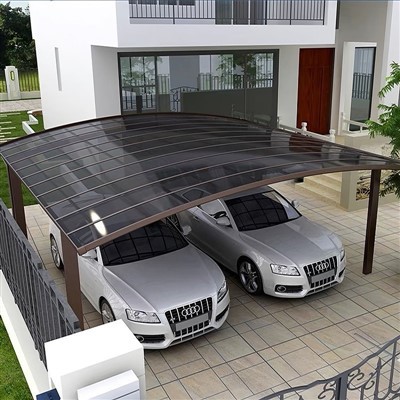
If you’re ready to move forward, we’re here to help. Whether you have questions about which awning is right for your space, or you want to connect with a reliable installer in your area, our team can walk you through every step of the process. Don’t let a messy DIY installation ruin your outdoor space—let’s make sure your rain awning keeps your patio dry, your back door shaded, and your outdoor area functional for years to come.
Adjustable Louvered Pergola References
- International Residential Code, Section R301 (Exterior Wall Coverings and Attachments)
- North American Building Officials Association, Guide to Awning Installation Requirements, 2022
- Outdoor Power Equipment Institute, Recommended Safety Practices for Home Exterior Installations, 2021
- Fabric and Metal Awning Manufacturers Association, DIY vs. Professional Installation Best Practices, 2023
Guangdong Fanxi Youpin Intelligent Technology Co., Ltd.
We are one of the most professional rain awning manufacturers and suppliers in China, also support customized service with low price. We warmly welcome you to buy high quality rain awning for sale here from our factory. If you have any enquiry about pricelist, please feel free to email us.
Address: No. 22-2 Of Xiaodong Industrial Zone, Xiaodong Second Economic Society, Yanfeng Community, Shishan Town
E-mail: SunnyChueng@fshpyp.cn
WebSite: https://www.vancyoutdoor.com/
