If you’re a car battery charger supplier, like us, you know that our customers rely on these devices to keep their cars, RVs, and lawn mowers running—without fail. One of the most common, and dangerous, issues customers reach out about is overheating. It’s not just a minor inconvenience; overheating can damage the battery, void warranties, or even cause safety hazards like melted wiring or small fires. As someone who’s spent years designing, testing, and shipping car battery chargers, I’ve seen firsthand how easy it is to miss early warning signs of overheating—especially for new car owners who might not know what to look for. Today, I’m breaking down the science behind why chargers overheat, the clear signs to watch for, and what you, as a user, can do to prevent it. Let’s start with the basics: how car battery chargers work, because understanding that makes overheating make sense. Car Battery Charger
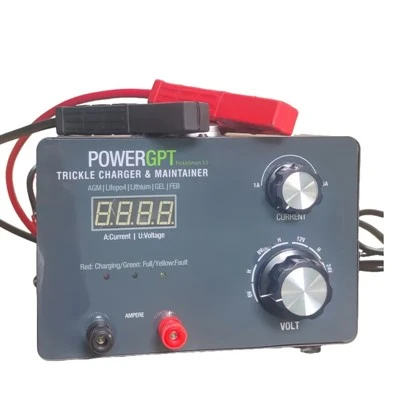
Car battery chargers convert AC power from a wall outlet into DC power to recharge a lead-acid battery (the most common type in gas and electric vehicles). Inside the charger, small components like transformers, diodes, and voltage regulators handle this energy conversion. All electronics produce heat as a byproduct of this process—that’s normal. A small amount of heat while a charger is running for an hour or two on a moderately discharged battery is nothing to worry about. The problem happens when that heat builds up faster than it can escape, because of design flaws, user error, or faulty parts. For example, if a charger is left in a hot garage on a 90-degree summer day, the ambient heat already makes it harder for the internal components to cool down. If the charger isn’t designed with enough ventilation, or if the user drapes a towel over it to “keep dust off,” that traps heat instead of letting it out.
Now, let’s get to the signs that your charger is overheating. I always tell customers not to ignore these, because catching overheating early can save them from big problems. First, the most obvious visual sign: excessive temperature. Not just warm—too hot to touch comfortably. I’ve tested our chargers extensively, and under normal operation, the casing should feel only slightly warm to the touch after 1-2 hours of charging. If you have to yank your hand away after a few seconds because it’s burning, that’s a red flag. Another visual sign: discoloration or melting on the charger’s casing, or frayed wiring on the clamps or power cord. Melted plastic is a clear sign of heat buildup, and frayed wires mean the insulation has broken down from excessive heat, creating a shock or fire hazard.
Next, performance issues that signal overheating. If your charger is overheating, it won’t work as it should. You might notice that charging takes twice as long as it did when you first bought the charger, or it stops mid-charge completely. Some chargers have built-in thermal protection that shuts the unit off automatically if it gets too hot—this is a safety feature, but it’s also a sign that something’s wrong. If your charger keeps shutting off during a charge, especially when it’s working harder (like charging a deeply discharged battery in hot weather), that’s a sign it’s overheating. You might also see error codes on digital chargers—most modern chargers have LED lights or screens that display “HT” or “overheat” when internal temperatures are too high.
Then there are the sensory signs you can’t see: unusual smells or sounds. A burning smell—like plastic, electrical insulation, or hot metal— is never normal. If you smell that coming from your charger while it’s running, turn it off immediately. That smell is often from internal components overheating, and it’s a sign the unit is on the verge of failing. Unusual sounds too: buzzing, hissing, or cracking noises that weren’t there when you first used the charger. Those sounds can be from loose internal parts expanding as they heat up, or arcing inside the unit, which is a serious fire risk.
Now, why do chargers overheat, and what can you do to fix it (or prevent it)? Let’s start with user error, which is the number one cause of overheating we see as a supplier. First, placement: many people set their chargers on soft surfaces like blankets, carpet, or even on top of the car battery itself. Soft materials block the vents on the charger’s casing, so heat can’t escape. Always place your charger on a hard, flat, non-flammable surface, and make sure there’s at least 4-6 inches of space around the charger’s vents on all sides. Another user mistake: overloading the charger. Using a 2-amp trickle charger to try to jump-start a dead car, or using a 10-amp charger on a tiny motorcycle battery that only needs 1 amp, puts unnecessary strain on the internal components, making them generate more heat than they’re designed to handle. Always match your charger’s amperage to the battery’s specifications—we always recommend checking your battery’s manual to find the right charger for your needs.
Another common issue: environmental factors. If you’re charging a battery in direct sunlight, or in a closed, hot space like a car trunk on a summer day, the charger’s ambient temperature is already high, so it can’t dissipate its own heat. If you’re charging in hot weather, try to move the charger and battery to a cool, shaded area, and avoid charging for longer than necessary. If you’re using the charger repeatedly in a short amount of time (like charging three different batteries back-to-back without letting the charger cool down), that can also cause overheating. Always let the charger rest for 15-20 minutes between uses to let it cool completely.
Sometimes, overheating is a sign of a faulty charger. If you’ve followed all the user best practices—correct amperage, proper placement, cool environment—and your charger is still overheating, that’s a problem with the unit itself. Common factory defects include misaligned vents, faulty thermal regulation components, or low-quality internal wiring that can’t handle the current. As a supplier, we test every charger before it leaves our warehouse, but defects can slip through, especially if the charger is damaged during shipping (dropped, crushed, or exposed to moisture). If you notice overheating after only a few uses, and you haven’t made any changes to how you use the charger, it’s worth checking the charger’s condition for damage, or reaching out to us to learn more about reliable replacements.
Now, what should you do if you catch your charger overheating? First, safety first. Unplug the charger from the wall outlet immediately—never touch a hot charger with wet hands, and never try to move it if it’s still plugged in. If it’s on a flammable surface (like a blanket or paper), move it to a non-flammable surface outside (a concrete driveway, for example) if it’s safe to do so, to prevent a fire. Let it cool completely for at least an hour before checking it for damage. If you notice melted plastic, frayed wiring, or a burning smell that doesn’t go away after cooling, don’t use the charger again—dispose of it properly, and don’t try to repair it yourself, as internal repairs can be dangerous. If the charger is still under warranty, reach out to your supplier to see if you can get a replacement.
As a car battery charger supplier, I know that trust is everything—customers rely on our products to be safe and reliable. That’s why we design our chargers with built-in thermal protection, wide ventilation systems, and high-quality components to minimize overheating risk. But no product is perfect, and user error or external factors can cause issues. That’s why it’s important to be vigilant, to know the signs, and to act quickly if something feels off.
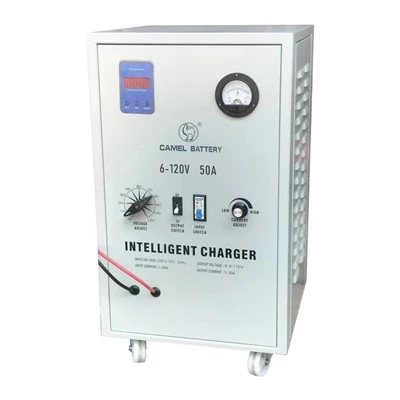
If you’re a car owner or someone in need of a new charger, and you’ve experienced overheating with your current unit, don’t settle for a low-quality product that puts your safety at risk. Reach out to our team to discuss your needs, whether you’re looking for a trickle charger for a classic car, a fast charger for a fleet of work vehicles, or a portable charger for RV trips. We’ll help you find the right charger that fits your vehicle’s specifications, and we stand behind our products to ensure they work safely for years to come.
3 Phase Stabilizer References
- Automotive Battery Council International. “Battery Charger Safety and Maintenance Guidelines.” 2023.
- International Electrotechnical Commission. “Safety Requirements for Stationary Battery Chargers.” IEC 60335-2-29, 2022.
- U.S. Consumer Product Safety Commission. “Electrical Charger Overheating Hazards: Consumer Safety Report.” 2021.
Huizhou Qiangfeng Power Technology Co., Ltd.
Huizhou Qiangfeng Power Technology Co., Ltd. is one of the most professional car battery charger manufacturers and suppliers in China, featured by quality products and good service. We warmly welcome you to buy customized car battery charger made in China here from our factory. If you have any enquiry about quotation and free sample, please feel free to email us.
Address: No. 28, Hu’ao Avenue, Shiwan Town, Boluo County, Huizhou City, Guangdong Province
E-mail: Komco@Jinlidianqi.cn
WebSite: https://www.autobatterychargers.com/
