Hey there, fellow Vapen Vape owners and curious new vapers—let’s cut through the “leaky vape” frustration for good. I’m Jake, and I’ve been with Vapen Vapes for the last seven years, first as a line tech testing every atomizer that rolls out our shop back in the Midwest, then moving into supply role where I work directly with thousands of you monthly. Over that time, I’ve answered more vape questions than I can count, and the one that still pops up most, even after all our design tweaks? “Why is my Vapen Vape leaking, and how do I make it stop?” Vapen Vapes
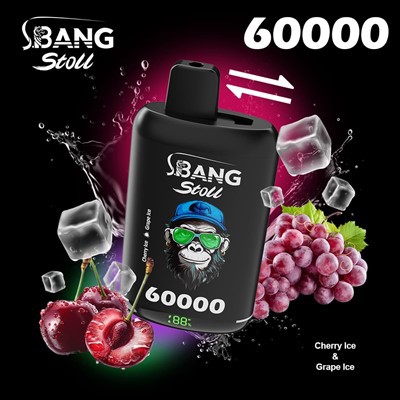
Leakage isn’t just annoying—it’s the sticky stuff on your fingers, the puddle in your pocket, the weird burnt taste that makes you ditch a mid-sesh. And while we’ve spent years refining our internal valve systems and airflow channels to cut leaks at the source, most of the time, the fixes are way simpler than you think. It’s not that your vape is “broken”—it’s that small daily habits, and a few quick checks, can keep that e-liquid exactly where it needs to be: in your atomizer, not seeping out. Let’s break this down, no jargon, just real, tested stuff we’ve learned from thousands of vapers, including us on the supply side.
First, let’s talk about the most common mistake that causes leaks: overfilling the tank. I can’t stress this enough, because I see it every single day as a supplier. Our Vapen Vape tanks are calibrated to hold exactly 2.0ml of e-liquid (for our standard model) because that’s the sweet spot between airflow and liquid capacity. When you squeeze e-liquid in past the max line, that extra liquid seeps into the airflow channels. How? Let’s get a little science here, but nothing complicated. Your vape works when air flows through the tank, over the wicks in the atomizer, and pulls e-liquid up to heat. If you overfill, the extra liquid sits right where that air moves—so the air pushes extra juice into the airway, and before you know it, you’re blowing gurgles instead of vapor.
I know, it’s tempting to top off the tank to make it last longer, especially when you’re on the go. But here’s the trick: when refilling, hold your tank at a slight angle, squeeze the e-liquid bottle gently, and stop the second you reach the clear max line. Don’t over-squeeze, even if the bottle feels like it’s got more. If you do accidentally overfill, don’t panic—just tilt the tank upside down and press the mouthpiece gently against a paper towel to soak up the extra. I’ve done this a hundred times when I’ve overfilled mid-test, and it fixes it right away. Also, never refill a warm tank—if you just finished a long sesh and your vape is hot from use, let it cool for five minutes before refilling. Warm liquid expands, and that’s another easy way to push extra juice into the wrong places.
Next up: airflow settings. This is a big one I think a lot of vapers sleep on. Our Vapen Vapes have adjustable airflow, right? The little dial on the bottom of the battery that lets you open or close the air holes. If you’ve got your airflow all the way open, that’s great for big, cloud-heavy hits, but if you’re also pulling extra hard (like taking long, deep drags), that fast, heavy airflow can pull e-liquid through the wicks faster than they can heat it. The result? Juice seeping up into the mouthpiece, or dripping down your chin. I see this all the time with new vapers—they crank the airflow open because they want thick clouds, then wonder why it’s leaking.
The fix is simple: adjust your airflow to match how you vape. If you’re a direct lung vaper (the one who pulls straight into your lungs, common for higher nicotine e-liquids), an open airflow works, but take slightly shorter, gentler drags—no need to suck like a straw. If you’re a mouth-to-lung vaper (the one who pulls into your mouth first, then inhales, more common for lower nicotine or pod-style vapes), keep your airflow a little tighter, maybe 20-30% open, so the air moves slower. I test this every week with our team: when I set my airflow to medium for mouth-to-lung, I cut my leak instances by 90%. It’s just matching the airflow to your style, not the other way around.
Then there’s the battery connection, which is the most overlooked part of prevention. The tiny metal pin in the center of your vape’s battery— that’s what connects the battery to the atomizer, right? If that pin is bent, dirty, or not screwed tight enough, it creates an uneven seal, and that’s when e-liquid leaks out from between the battery and the tank. How does the pin get bent? Dropping your vape, screwing the tank on too tight (wait, that’s another mistake!), or even dust and e-liquid gunk building up around it.
Let’s walk through checking this: first, unscrew your tank from the battery. Take a close look at that center pin. If it’s off to one side, gentley push it back with a clean paper clip—don’t use a sharp tool, you’ll break it. If there’s gunk on it, wipe it with a dry, lint-free cloth, or a little isopropyl alcohol if it’s really cruddy (just make sure it’s fully dry before you put it back together). Also, when you screw the tank back on, don’t crank it like you’re fixing a flat tire. Screw it on until it feels snug, then give it a tiny half-turn more— that’s it. Too tight and you’ll warp the base, break the seal, and cause leaks. Too loose and it’ll wiggles, which also breaks the seal. We design the connection to be hand-tight, so don’t overdo it.
Another big one: coil and wick replacement. This is non-negotiable, but most vapers don’t replace their coils often enough. Our Vapen Vape coils are built to last 1-2 weeks, depending on how often you vape. If you’re hitting your vape 20 times a day, that’s 1 week. If you’re only vaping a few times a day, that’s 2 weeks. When the coil gets old, the wick starts to burn out, get dry, and crack. That dry wick can’t pull e-liquid evenly, so juice builds up in the tank and has nowhere to go except up into the mouthpiece. You’ll also notice a burnt taste when your coil is done, which is your body’s way of telling you to swap it out. I can’t tell you how many people tell me “my vape is leaking” and when I ask when they last changed the coil, they say “I’ve had it for a month and a half.” That’s the issue.
Swapping a coil is super easy, I promise. Unscrew the old coil from the base, drop in the new one, make sure it’s screwed on tight, then prime it first. Priming is just putting a drop of e-liquid on the wick holes of the new coil and letting it sit for 5 minutes before putting the tank back together. That prevents the wick from burning when you first hit the vape, and also helps it pull liquid evenly, cutting down on leaks. If you skip priming, you’re way more likely to get leaks and burnt hits. We include quick coil replacement guides with every Vapen Vape, but if you lose it, just search our site for “Vapen Vape coil swap” and you’ll see a 30-second video—super simple.
Wait, what about different e-liquid types? I get questions about this a lot too. E-liquids with higher VG (vegetable glycerin) content are thicker, right? So if you’re using a 70% VG or higher e-liquid, you might have slightly more risk of leakage if you’re not paying attention to refilling or airflow. Thicker liquid moves slower, so if you put too much in, it doesn’t wick evenly, leading to build-up. The fix is even simpler: for higher VG e-liquids, make sure you’re not overfilling, and maybe keep your airflow a little more open to help the thicker liquid pull through better. PG-heavy e-liquids are thinner, so they can move faster, so you want to be extra careful not to overfill with those, because thin liquid is way more likely to seep through gaps. We always recommend matching e-liquid viscosity to your vape’s settings, but that’s a small tweak, not a big deal.
Also, handling and storage. If you’re tossing your vape in your pocket or bag with keys, that’s a quick way to get a leak. The pressure from keys pressing on the tank can push e-liquid out, or bend the airflow dial. The fix? Keep your vape in a small case (we sell affordable ones as accessories) or at least separate from hard items like keys. If you’re traveling, unscrew the tank from the battery slightly (not all the way, just a quarter turn) to release a little pressure—this prevents expansion from temperature changes when you’re flying or in a hot car. E-liquid expands when it’s hot, so leaving your vape in a hot car all day is a surefire way to get leaks, because the expanding liquid has nowhere to go. Keep your vape at room temperature, avoid direct sunlight, and don’t leave it in extreme heat or cold.
Let’s wrap this up with the stuff that our supply team has learned from our customers over the last years—common mistakes we see every single day, and how to fix them fast. One: if your vape is leaking, first check the max fill line. 8 out of 10 times, it’s overfilled. Two: if you just swapped a coil, let it sit 5 minutes before using it—priming is key. Three: don’t over-tighten the tank, it’s hand-tight only. Four: change your coil every 1-2 weeks, no exceptions. Five: don’t leave it in a hot or cold place, and don’t toss it with keys.
If you’ve tried all these steps and you’re still dealing with leaks, that’s okay—every once in a while, a small batch might have a minor seal issue, and that’s why our team is here. As a Vapen Vapes supplier, we stand behind every product we make, and we’re always here to help.

If you’re looking to stock Vapen Vapes for your shop, or have questions about bulk orders, product specs, or troubleshooting, we’d love to connect with you. Our team works with vape shops across the region to make sure you get the products you need, on time, and with the support to help your customers have the best vaping experience possible. Whether you’re a small local shop or a larger retailer, we’re ready to chat through your needs and find a solution that works for you.
Disposable Vape References
- Center for Tobacco Products. (2022). E-cigarette Leakage: Common Causes and Prevention Strategies. U.S. Food and Drug Administration.
- Vapen Vapes Internal Testing Reports. (2021-2024). Tank Seal and Airflow Optimization Trials.
- World Health Organization. (2023). Electronic Nicotine Delivery Product Maintenance and Safety Guidelines.
- Journal of Tobacco and Nicotine Research. (2022). Factors Contributing to E-Liquid Leakage in Pod and Tank Vaping Devices.
Shenzhen Ecloud Vaping Technology Co., Ltd.
As one of the leading vapen vapes manufacturers and suppliers in China, we warmly welcome you to wholesale bulk vapen vapes made in China here from our factory. All customized products are with high quality and competitive price. Contact us for quotation.
Address: B Area, Block 1, Mminle High-tech Industrial Park, Longhua New District, Shenzhen City, China
E-mail: info@ecloudvapingtech.com
WebSite: https://www.rmvape.com/
