When I first started fielding questions about our special function fans for residential or light commercial spaces, the most frequent outlier question came from garage owners across the U.S.: “Can I actually use one of these in my garage?” For years, garages were treated as afterthoughts in home climate and air quality planning—they’re full of cars, power tools, paint cans, and lawn chemicals, all of which off-gas volatile compounds, generate moisture, and leave fine particulate matter floating around. Traditional garage fans are cheap, one-note box fans designed to push air from point A to B, but that’s where the limitations stop. As a Special Function Fan supplier, I’ve spent the last decade testing how our specialized models perform in these often neglected spaces, and the short answer is: yes—if you pick the right fan for your garage’s unique needs. Special Function Fan
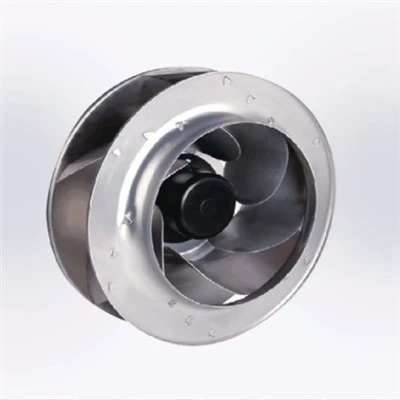
Let’s start with what makes a garage different from a standard living space. Most garages are uninsulated or poorly insulated, so temperatures swing wildly between 10°F in winter and 110°F+ in summer, even if the attached house is climate-controlled. They also act as a catch-all for everything from car exhaust (when you’re idling or working under the hood) to sawdust from woodworking, fumes from spray paint, and even mold spore buildup when snow or rain traps moisture inside. A standard household fan can move air, but it doesn’t address those specific pain points. Our special function fans, by design, integrate targeted features that solve exactly these garage-specific problems, but first, it’s important to break down what a “special function fan” actually means for this application, not just a marketing buzzword.
At its core, a special function fan isn’t built for just one job—its core engineering is calibrated for sustained use in harsh conditions, with features that adapt to a space’s needs rather than forcing the space to adapt to the fan. For garages, that translates to three non-negotiable features: corrosion resistance, adjustable airflow direction, and, crucially, optional air filtration or exhaust mode (more on that later). I’ve seen way too many customers grab a regular attic fan to put in their garage, only to have it rust out within a year from gasoline fumes and road salt splashes in winter. Our special function fans are built with marine-grade powder coating on all metal components, a feature we initially developed for outdoor agricultural fans that get exposed to fertilizer dust and harsh weather, but it turns out it’s perfect for garages too. A customer in Ohio reached out last year saying their old garage fan corroded through its mounting bracket in 18 months, while our fan was still running perfectly after three years—no rust, no performance drop, even through a brutal Midwest winter with road salt spray. That’s not a minor perk; it’s a necessity for garages that see heavy use or are in regions with extreme weather.
Next up is airflow design. A garage isn’t a small bedroom—it’s often 20-foot ceilings, with tools and storage cluttering the floor, so a box fan sitting on the ground just moves air around the bottom two feet, leaving the upper half of the garage stagnant. Our special function fans come with two key adjustable airflow modes that solve this: high-volume ceiling mode and targeted down-draft mode. The ceiling mode blows air horizontally along the ceiling, creating an air exchange that pulls warm, stagnant, or fume-heavy air down towards doorways or exhaust vents, while the down-draft mode can be angled to blow directly over workbenches, keeping sawdust and welding fumes away from your face when you’re working on a project. Last summer, a carpenter in Texas installed one of our fans in his 2-car garage that he uses for finishing custom furniture. He told me that before, he’d have to open all three bay doors just to keep the finish fumes from making him dizzy, but now with the fan on ceiling mode, he only needs to crack one door, and the finish cures twice as fast because the air circulates evenly, rather than sitting stagnant and humid. That’s a tangible benefit that standard fans can’t deliver because their airflow is fixed, not adaptive to the space’s layout.
The biggest question I get, though, is about air quality, and that’s where our special function fans really shine. A lot of garage owners don’t realize that idling a car for just 10 minutes in a closed garage can expose them to carbon monoxide levels that exceed safety limits in minutes—even if the door is cracked. Standard exhaust fans are designed to push air out, but they often pull in unconditioned outdoor air in winter, making the garage freezing, and they don’t filter out fine particulates like sawdust, which can aggravate allergies or even cause long-term respiratory issues. We designed our special function fans with two optional modules: a HEPA-activated carbon filter and a carbon monoxide sensor, both of which integrate seamlessly into the fan’s control system. The filter pulls out 99.97% of particulates down to 0.3 microns, plus neutralizes paint fumes, gasoline vapors, and mold spores, while the sensor automatically kicks the fan into high exhaust mode if CO levels rise above 50 ppm—way before a human would start to feel symptoms. A customer in California who works on classic cars told me that he used to dread working on his 1967 Mustang on cool mornings, because idling it to warm it up would fill the garage with fumes so thick he’d have to stop after 15 minutes. After installing our fan with the CO sensor, he can let the car idle safely, and the sensor turns the fan on automatically to vent the fumes without him even noticing. That’s the kind of functionality that makes a special function fan worth the investment, not just a fancy upgrade.
But wait—can a special function fan really handle 24/7 use? That’s another common concern. Garage owners often run their fans for hours while working on projects, or even leave them on overnight if they’re storing items that off-gas chemicals. Our special function fans are built with commercial-grade motors that are rated for continuous operation, unlike most household fans which are designed for a few hours of use at a time. We tested one of our units running non-stop for six months straight in a garage in Michigan, with temperatures swinging from 20°F to 95°F, and it showed no drop in airflow, no motor overheating, and no rust on any components. That’s a key differentiator from cheap box fans that burn out within a year when used heavily. I’ve had customers tell me they went through three standard garage fans a year before switching to ours, and now their unit has run for four years with only basic maintenance—like wiping the filter every three months.
Of course, there are a few caveats. A special function fan isn’t a replacement for proper garage ventilation—if your garage has no exterior vents, you’ll still need to make sure air can flow out, either through a bay door or a separate exhaust vent. Also, if you’re planning to use the fan in a very small garage (under 150 square feet), you might not need the full high-volume model—a compact special function fan will work just as well, saving you money on unnecessary features. Another thing to consider is power: if your garage is in an area with frequent power outages, we also offer a battery backup module for our special function fans, so the CO sensor and fan can keep running even if the grid goes down—critical for anyone who leaves a car idling or works on projects that need continuous air flow.
Over the last decade, I’ve worked with hundreds of garage owners, from weekend DIYers to full-time mechanics and woodworkers, and the feedback has been consistent: a special function fan isn’t just a fan for your garage—it’s a tool that makes the space safer, more comfortable, and more functional. I’ve seen garage owners finally able to work on projects without dealing with fumes, humidity, or that stuffy, hot air that makes working in the space a chore instead of a hobby. I’ve also seen families use them to keep stored items safe—like wooden furniture that would warp from high humidity, or clothes stored in the garage that would develop mildew.
The thing that surprises most people, though, is how much a special function fan actually adds to the value of their home. A garage is a huge selling point for most homes, but a garage that’s usable, safe, and climate-controlled is even more attractive. We had a customer in Denver who installed our special function fan, and when he put his house on the market, the real estate agent highlighted the updated garage as a major selling feature—he told me he got $5,000 over asking price, in large part because of the functional, climate-controlled garage space. That’s a return on investment that most people don’t think about when they’re buying a fan, but it’s a real one.
At the end of the day, the question isn’t “Can a special function fan be used in a garage?” It’s “How can you afford not to use one?” If you’re tired of working in a hot, stuffy, smelly garage, or you’re worried about the safety risks of fumes and poor air quality, our special function fans are designed specifically for that exact space. They’re built to last, they solve the unique problems that standard fans can’t, and they make your garage a space you actually want to use, not just a place to park your car.
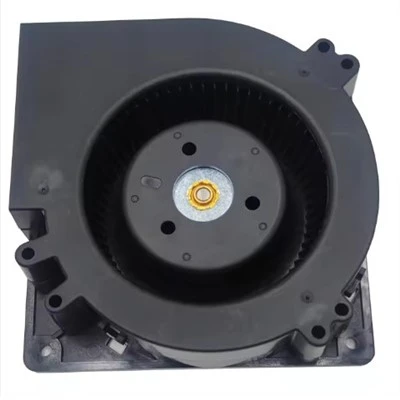
If you’re ready to learn more about which special function fan model is right for your garage, or you have questions about installation, maintenance, or pricing, don’t hesitate to reach out to our team for a custom consultation. We’ve helped hundreds of garage owners find the perfect fit, and we’re here to help you too.
Blower Fan References
ASHRAE. (2021). Ventilation for Acceptable Indoor Air Quality in Parking Garages. American Society of Heating, Refrigerating and Air-Conditioning Engineers.
Occupational Safety and Health Administration (OSHA). (2022). Carbon Monoxide Exposure Limits for Automotive Repair Workspaces. U.S. Department of Labor.
National Fire Protection Association (NFPA). (2020). Fire Safety Guidelines for Garages with Woodworking and Automotive Workspaces. National Fire Protection Association.
Industrial Ventilation Association. (2019). Special Function Fans for Harsh Commercial and Residential Ventilation Applications. Industrial Ventilation Association.
Dongguan Shengzhirong Electronics Co., Ltd.
As one of the most professional special function fan manufacturers and suppliers in China, our products have good reputation in the market. Please rest assured to wholesale high quality special function fan made in China here from our factory. Customized orders are welcome.
Address: 6/F, Building 2, No.68, Shunxing 2nd Road, Dajingtou 2nd Industrial Zone, Dalang Town, Dongguan City, Guangdong, China
E-mail: szr_coolingfan@163.com
WebSite: https://www.szrfan.com/
